
A Craving for Authenticity and Adventure
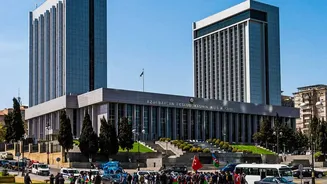
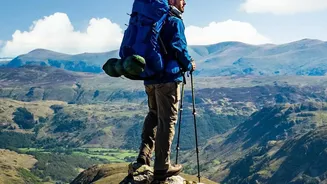
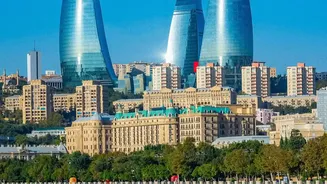
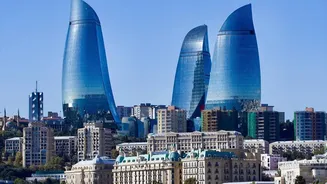
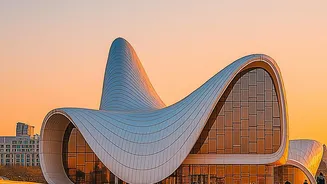
The modern traveller is increasingly searching for more than just iconic photo opportunities. There's a growing desire for authentic cultural immersion, uncrowded landscapes, and genuine adventure. While Baku offers a stunning blend of ancient history
and modern marvels, the soul of Azerbaijan unfolds in its diverse regions. This shift is driven by a quest to connect with local traditions, from homestays in remote villages to tasting regional cuisine made with generations-old recipes. Travellers are realizing that to truly understand this crossroads of civilizations, one must explore the lush mountains, subtropical coastlines, and historic Silk Road towns that lie beyond the capital's gleam.
Sheki: The Silk Road's Historic Soul
Nestled in the foothills of the Greater Caucasus Mountains, the city of Sheki is a living museum of the Silk Road. Its historic centre, a UNESCO World Heritage site, is a world away from Baku's pace. The main attraction is the magnificent Palace of the Sheki Khans, famed for its brilliant 'shebeke' stained-glass windows and intricate miniature paintings. Visitors can wander through cobblestone streets, stay in a restored caravanserai where traders once rested, and see artisans practising ancient crafts. Sheki offers a tangible connection to a history of commerce and culture, making it an essential stop for those wanting to experience Azerbaijan before the oil boom.
Xinaliq: A Journey to Europe's Highest Village
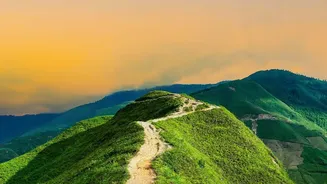
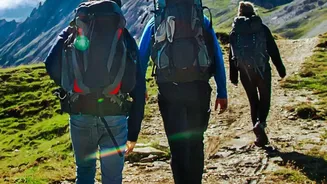
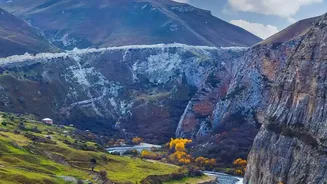
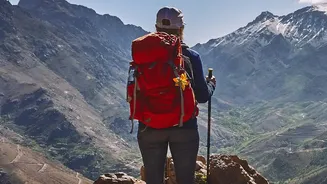
For the truly adventurous, Xinaliq (also Khinalug) offers an unforgettable experience. Considered one of the highest and most remote continuously inhabited villages in Europe, it is perched at over 2,300 metres in the Caucasus Mountains. Until a modern road was built in 2006, the village was almost completely isolated, preserving its own unique language and a self-sufficient way of life. Today, travellers make the spectacular journey from the nearby city of Quba to experience this 'lost world'. Hiking, staying with local families in traditional homestays, and witnessing a culture that has endured for centuries are the main draws. It's a powerful reminder of the stark, beautiful contrast between rural mountain life and the capital city.
Lankaran: Subtropical Escapes by the Caspian
In the country's south, the region of Lankaran presents yet another face of Azerbaijan. Wedged between the Caspian Sea and the lush Talysh Mountains, this subtropical area is famous for its tea plantations, citrus groves, and unique black-sand beaches. It's a hub for nature lovers, with Hirkan National Park—a UNESCO World Heritage site—protecting ancient forests. Lankaran is also known for its wellness opportunities, including the Istisu hot springs. The local Talysh culture and cuisine, with its famous Lavangi dish, provide a distinct regional flavour, offering a tranquil and green alternative to the rest of the country.
Gabala: Where Nature Meets Modern Leisure
For those who want adventure without sacrificing comfort, Gabala is the perfect destination. Once the capital of ancient Caucasian Albania, the region blends historical ruins with modern tourism infrastructure. In winter, the Tufandag Mountain Resort offers skiing and snowboarding, while summer brings opportunities for hiking, cable car rides with panoramic views, and boating on the serene Nohur Lake. It's also a family-friendly destination, home to Gabaland, one of the country's largest amusement parks. Gabala proves that venturing beyond Baku doesn't have to mean roughing it, offering a polished blend of nature, history, and recreation.