



The Science of Satiety
To understand why this combination works, we first need to look at how our bodies process food. Carbohydrates are the body's primary source of energy. When we eat them, they are broken down into glucose, which enters our bloodstream. Simple carbs, like
white bread or sugary snacks, digest quickly, causing a rapid spike in blood sugar followed by a crash that can leave you feeling tired and hungry again. Complex carbohydrates, found in whole grains and vegetables, digest more slowly, providing a more sustained release of energy. However, even complex carbs eaten alone can sometimes fail to keep hunger at bay for long. This is where protein comes in. Protein is known for its ability to promote satiety, or the feeling of fullness. It takes more energy for the body to digest protein compared to refined carbs, a process known as the thermic effect of food. This slower digestion process is the first step towards a longer-lasting feeling of satisfaction after a meal.
How Protein Balances Your Meal
When you pair protein with carbohydrates in the same meal, it fundamentally changes how your body responds. The protein slows down gastric emptying, meaning the food stays in your stomach for longer. This, in turn, slows the absorption of glucose from the carbohydrates into your bloodstream. Instead of a sharp spike and fall, your blood sugar levels remain more stable, leading to more consistent energy and a feeling of fullness that lasts for hours, not minutes. This blunting of the blood sugar response is crucial for avoiding the energy slumps and subsequent cravings that often follow a carb-heavy meal. Studies have shown that eating protein and fats before carbohydrates can result in significantly lower post-meal glucose levels, confirming that meal composition and even the order in which you eat can have a powerful effect.
Choose Your Carbs Wisely
The foundation of a filling vegetarian meal starts with selecting the right kind of carbohydrates. Opt for complex carbs that are rich in fibre, as fibre also aids in slowing digestion and promoting satiety. For an Indian diet, these are readily available and versatile. Think of whole grains like brown rice, whole wheat (atta), millets such as bajra and jowar, and quinoa. Legumes, including beans, lentils, and chickpeas, are fantastic choices because they provide both complex carbs and a healthy dose of protein. Starchy vegetables like sweet potatoes and squash are also excellent sources of slow-releasing energy. By choosing these nutrient-dense options over refined flour (maida), white rice, and sugary products, you are already setting yourself up for a more satisfying meal.
Power Up with Vegetarian Protein
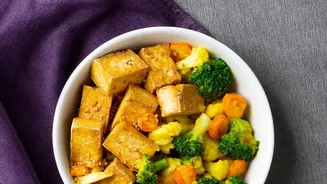
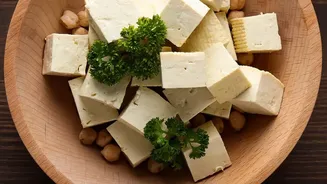
A common misconception about vegetarian diets is that they lack sufficient protein. Thankfully, India's culinary landscape is rich with high-quality, plant-based protein sources. Lentils and pulses (dals) are a cornerstone of the diet and an excellent choice. Paneer (Indian cottage cheese) and tofu are incredibly versatile and can be added to curries, stir-fries, or scrambles. Chickpeas (chana), kidney beans (rajma), and black-eyed peas (lobia) are other powerful options. Dairy products like Greek yoghurt and cheese also contribute significant protein. For snacks or to add a crunch to meals, nuts and seeds like almonds, walnuts, and pumpkin seeds are great additions. Even some grains, like quinoa and amaranth, are considered complete proteins, meaning they contain all nine essential amino acids.
Building the Perfect Plate: Meal Ideas
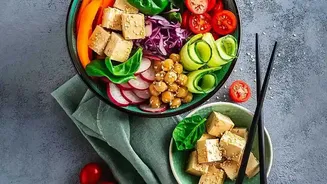
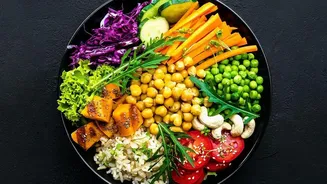
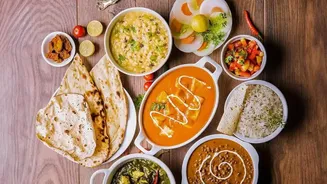
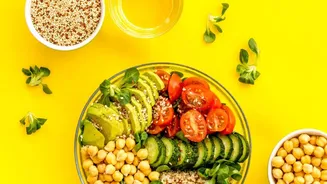
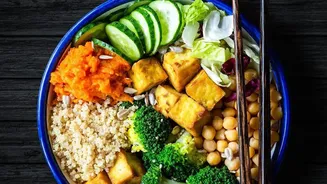
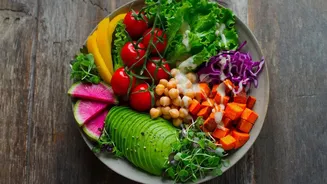
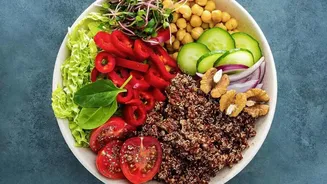
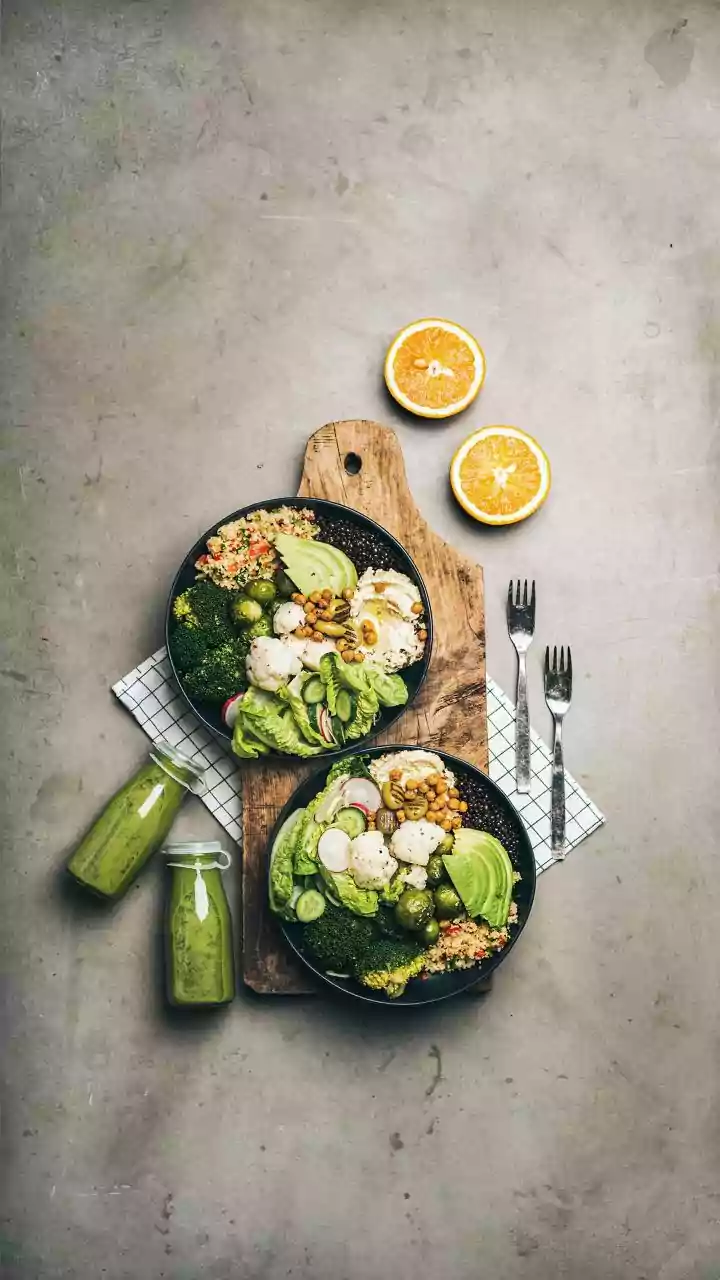
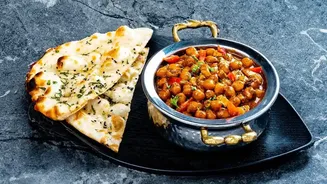
Putting this principle into practice is easy and delicious. Many classic Indian dishes are already perfectly balanced. Consider the humble yet powerful combination of dal and rice (or roti). The dal provides the protein to balance the carbohydrates from the rice or whole wheat flatbread. Rajma with brown rice is another classic example. A breakfast of a paneer-stuffed paratha provides sustained energy for the morning. For a South Indian option, a masala dosa (fermented rice and lentil crepe filled with potatoes) served with sambar (a lentil-based stew) is a well-rounded meal. You can also create modern bowls by starting with a base of quinoa or millets, adding a protein like grilled tofu or chickpeas, and topping it with plenty of fresh vegetables for added fibre and nutrients.