

A Partnership for the Final Frontier
In early October 2026, NASA and the DOE formalized a powerful alliance by signing a new Memorandum of Understanding titled 'Accelerating American Leadership in Space Nuclear Power and Propulsion'. This 10-year agreement streamlines collaboration on everything
from initial research and fuel production to testing and integrating nuclear systems into spacecraft. It builds upon and supersedes previous agreements, creating a more cohesive, end-to-end framework for developing the next generation of space technology. NASA Administrator Jared Isaacman has dubbed this the 'Nuclear NASA-era,' emphasizing that nuclear power will enable missions to go farther, operate longer, and conduct more ambitious science than ever before. The partnership combines NASA's expertise in spaceflight with the DOE's deep knowledge of nuclear reactor science, creating a formidable team to tackle the immense challenges of deep space exploration.
The Need for Speed: Nuclear Thermal Propulsion
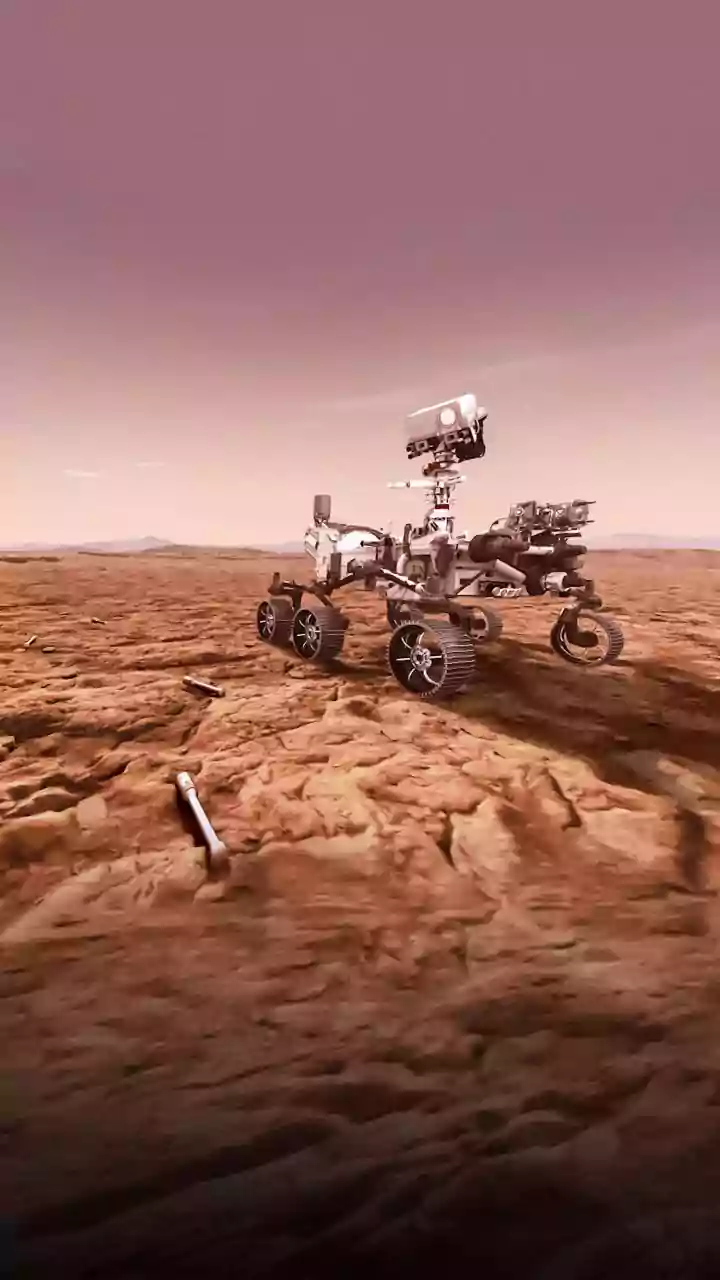
The centerpiece of the propulsion effort is Nuclear Thermal Propulsion (NTP). Unlike conventional chemical rockets, which burn propellants to create thrust, an NTP system uses a compact fission reactor to superheat a propellant like liquid hydrogen and blast it out of a nozzle. The result is a rocket engine with roughly double the fuel efficiency of the best chemical rockets. For a human mission to Mars, this is revolutionary. A more efficient engine drastically reduces the amount of propellant a spacecraft needs to carry, freeing up mass for more scientific equipment, supplies, and crew habitats. More importantly, it significantly cuts down the travel time to the Red Planet. Shorter trips reduce the crew's exposure to deep-space radiation and the psychological strains of long-duration spaceflight, making the journey safer overall. This technology is considered the most viable path to making round-trip human missions to Mars a practical reality.
Powering a Home on the Moon
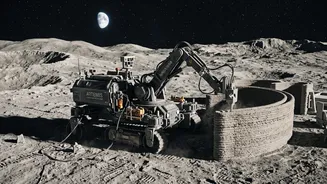
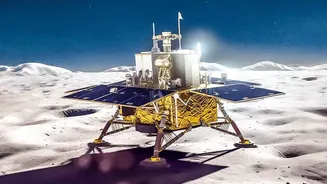
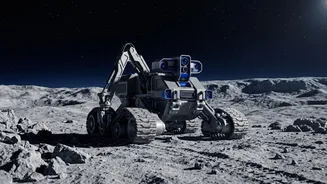
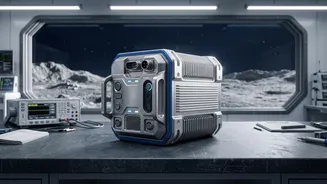
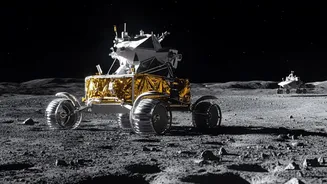
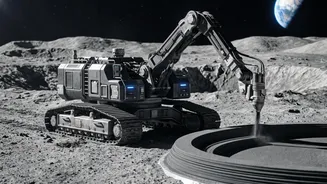
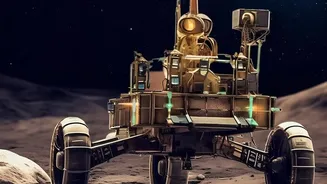
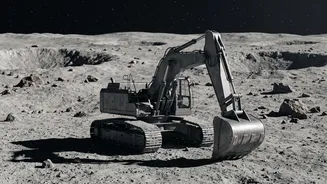
Beyond getting there faster, astronauts will need a reliable source of power once they arrive. For a long-term lunar base under the Artemis program, solar power has a major drawback: the Moon's nights last for two Earth weeks. To ensure a continuous supply of electricity for habitats, rovers, and experiments, NASA and the DOE are developing Fission Surface Power (FSP). The plan involves sending a small, durable nuclear reactor to the Moon. The initial goal is to deploy a 40-kilowatt system, which is enough to power about 30 households for a decade, providing a steady stream of energy regardless of environmental conditions. This technology is critical for establishing a sustainable human presence and is a key goal outlined by a 2025 executive order. The first demonstration unit, Lunar Reactor-1, is slated for launch by 2030, paving the way for permanent outposts on the Moon and, eventually, Mars.
From Lab to Launchpad
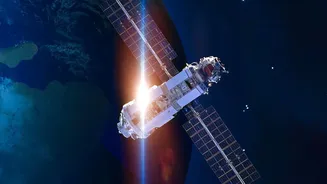
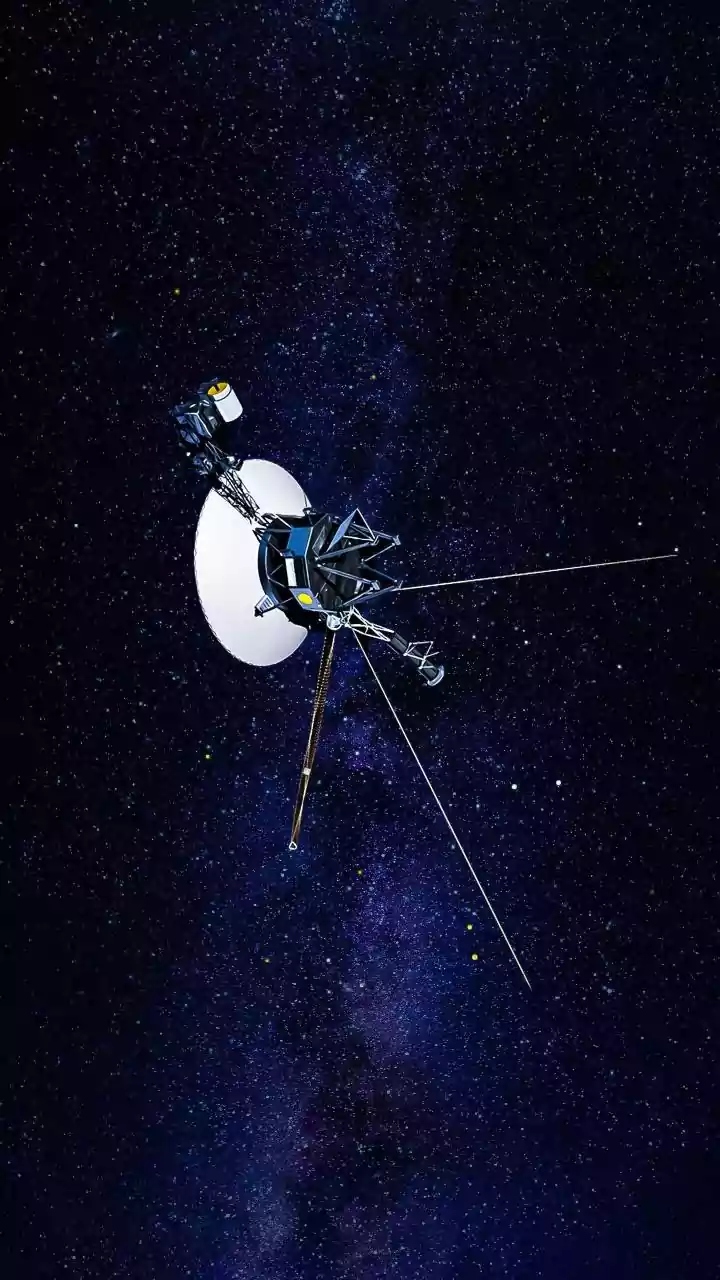
This agreement isn't just about theoretical research; it's about turning concepts into hardware. A key milestone on the horizon is the Space Reactor-1 Freedom (SR-1) mission, a spacecraft equipped with a nuclear electric propulsion system scheduled for launch in 2028. This mission will serve as the first operational, deep-space test of these nuclear systems, moving the technology from the laboratory into the real world. The data gathered from SR-1 will be invaluable for refining the designs for both the propulsion systems destined for Mars and the surface reactors planned for the Moon. The collaboration also extends to existing technologies like radioisotope power systems, which have safely powered missions for decades and will be used on the upcoming Dragonfly mission to Saturn's moon, Titan. Safety remains the top priority throughout the entire development and deployment process for all nuclear space technologies.