


A World of Fire and Ice
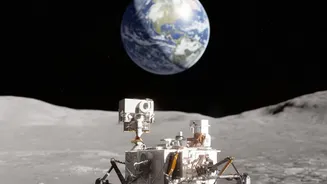
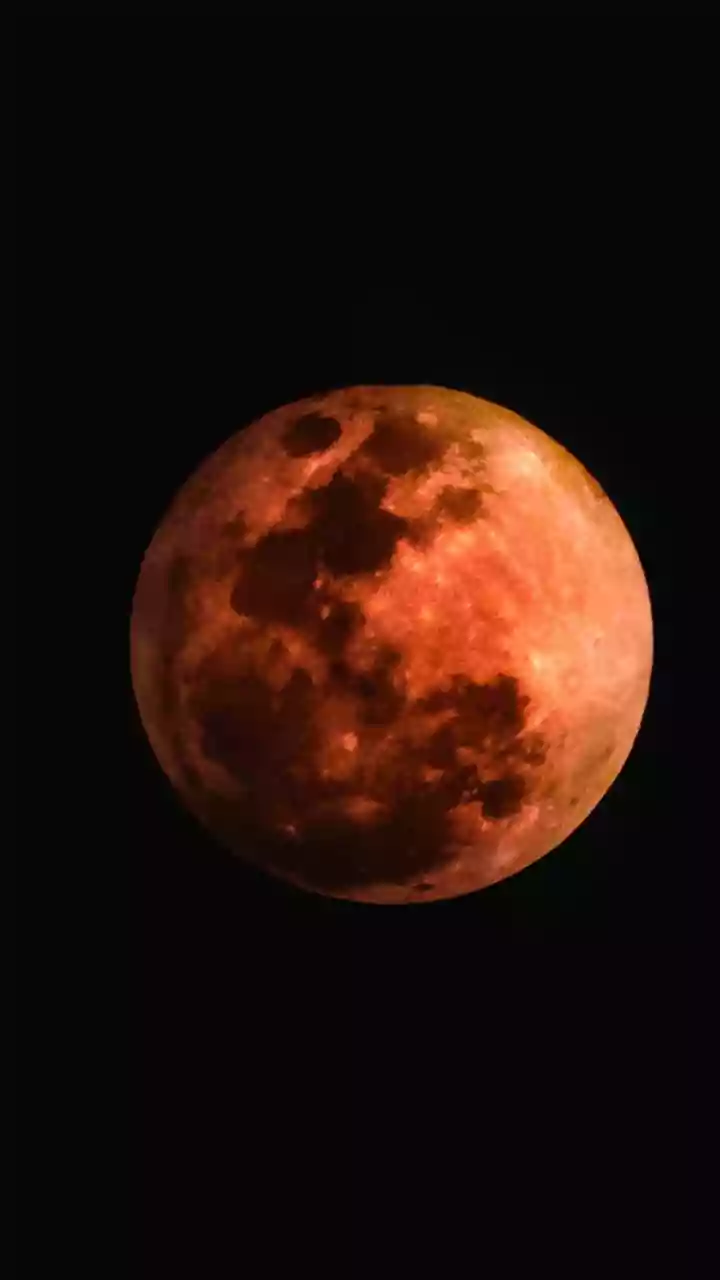
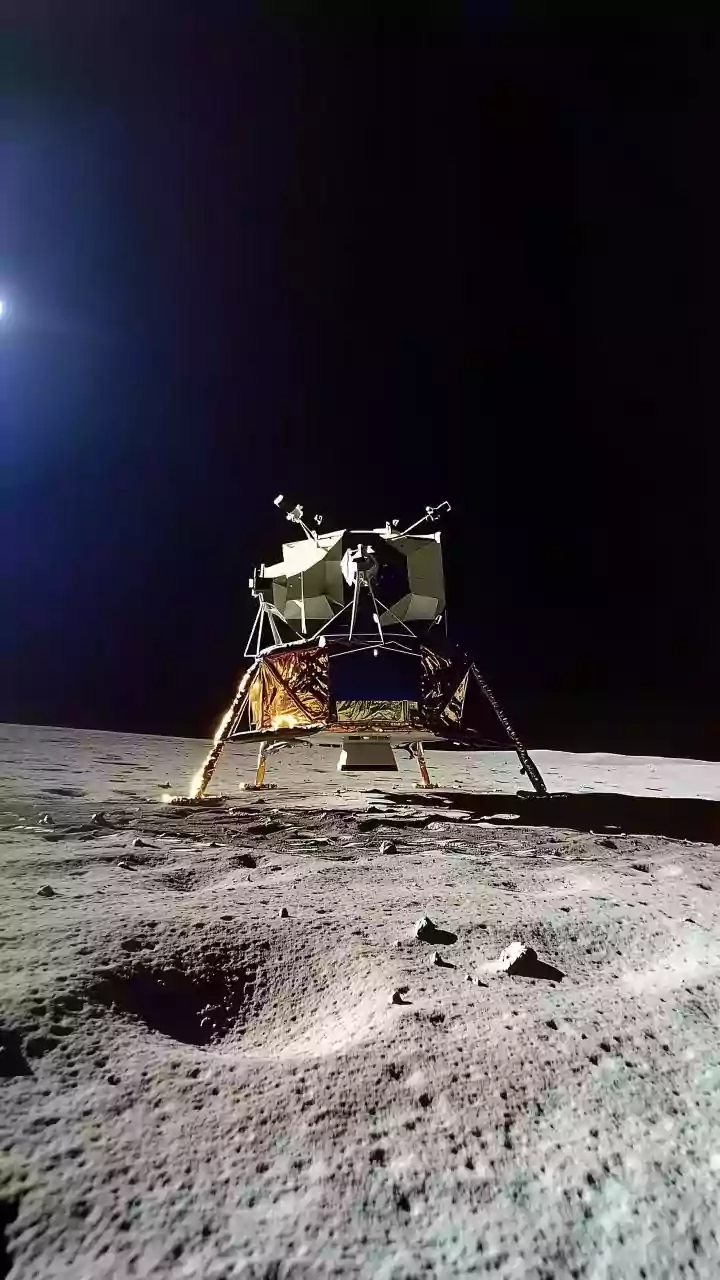
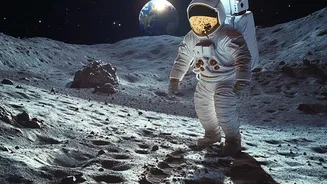
When we imagine the lunar surface, we often think of the iconic images from the Apollo missions: a grey, dusty landscape under a black sky. What those images don't fully convey is the violent temperature swing. With virtually no atmosphere to trap or
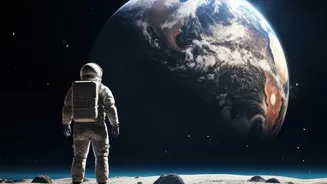
distribute heat, areas exposed to the sun can reach a boiling 120 degrees Celsius. When the sun sets, which it does for about 14 Earth days at a time, temperatures plummet to a staggering minus 130 degrees Celsius or even lower. This environment is one of the biggest challenges for designing habitats and spacesuits. Historically, missions like Apollo were carefully timed to land just after local lunar sunrise, avoiding the worst of the heat and the cold. But for humanity to establish a long-term presence, as planned under the Artemis program, we must find a way to endure these extremes.
Nature's Deep Freeze
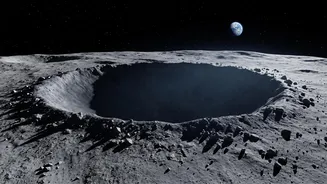
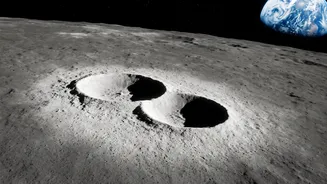
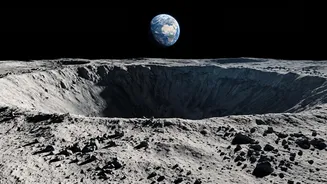
The key to survival, according to recent NASA findings, lies in the Moon's 'permanently shadowed regions' or PSRs. These are areas, typically at the bottom of deep craters near the lunar poles, that have not seen direct sunlight in billions of years. The Moon's axis has only a slight tilt of 1.5 degrees, meaning the sun is always low on the horizon at the poles. The rims of craters perpetually block the sunlight from reaching their floors, creating some of the coldest spots in our entire solar system. Temperatures inside these PSRs can drop below minus 203 degrees Celsius. While this sounds like an insurmountable obstacle, this intense cold acts as a perfect natural freezer.
The Promise of Trapped Resources
For decades, scientists have theorised that these cosmic cold traps could contain vast quantities of frozen water. Data from missions like NASA's Lunar Reconnaissance Orbiter (LRO) and the past LCROSS impactor have confirmed the presence of water ice in these shadowy regions. This is the game-changer. Water is not just for drinking. It can be split into its component elements, hydrogen and oxygen. This provides breathable air for astronauts and, crucially, the two key ingredients for rocket fuel. Being able to 'live off the land' by harvesting these resources would dramatically reduce the cost and complexity of future missions to the Moon and beyond, including Mars. Instead of hauling everything from Earth, a lunar base could become a self-sufficient outpost and a refuelling station.
A Blueprint for Survival
The cold doesn't just preserve resources; it also offers a more stable environment. While sunlit areas experience wild temperature swings, the inside of a PSR remains at a constant, albeit frigid, temperature. This predictability is a huge advantage for engineering. Furthermore, a recent NASA study highlighted another surprising aspect: these dark, cold craters could shield against another major hazard – radiation. The lack of atmosphere and magnetic field on the Moon leaves astronauts exposed to intense solar and cosmic radiation. The shadowed terrain can provide natural protection. The same study also found that certain Earth-based microbes could potentially survive in these protected pockets, which underscores the need for careful planning to avoid contamination as we explore these pristine environments.
The Challenges Ahead
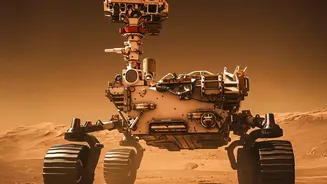
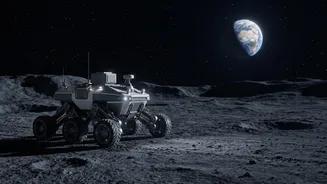
Harnessing the benefits of these cold regions is far from simple. The very darkness that preserves the ice makes exploration incredibly difficult. Rovers and astronauts will need to operate in pitch-black conditions, relying on powerful headlights and advanced navigation systems. The extreme cold poses a massive threat to equipment and human life. NASA is actively developing new technologies, including nuclear-powered rovers and advanced heating elements for spacesuits, to tackle these issues. Upcoming robotic missions, such as the VIPER rover, are designed to venture into these dark craters to map the distribution and concentration of water ice, providing the ground-truth data needed to plan for future human landings.