




Meet the Ripening Hormone
The entire ripening process is kicked off by ethylene, a natural plant hormone. Fruits that continue to ripen after being picked, like bananas, are known as climacteric fruits. They produce ethylene gas, which acts as a chemical signal to begin a series
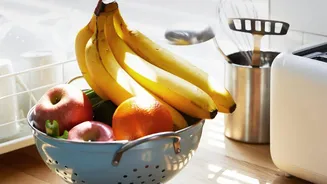
of profound changes. When a banana starts to ripen, it produces a burst of ethylene, which then triggers even more ethylene production in a domino effect. This is why one ripening banana can speed up the process for the whole bunch, and even other fruits nearby.
The Great Colour Transformation
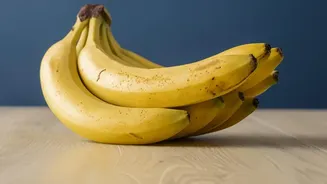
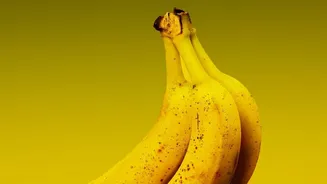
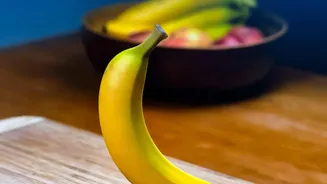
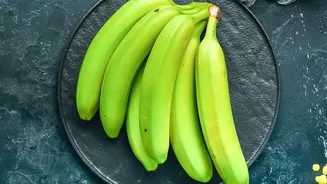
A banana's journey from green to yellow is all about pigment politics. An unripe banana is green because of the abundance of chlorophyll in its peel. As ethylene levels rise, the gas signals enzymes to begin breaking down this chlorophyll. As the green fades, it unmasks the yellow pigments, called carotenoids, that were present all along. So, a banana doesn't 'turn' yellow as much as it 'reveals' its yellow colour, which was hidden underneath the dominant green. This process is so precise that commercial ripeners use controlled ethylene exposure to ensure bananas arrive at the store with that perfect, appealing yellow hue.
From Starchy and Firm to Sweet and Soft
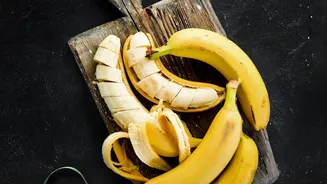
An unripe banana is not only firm but also has a starchy, almost bitter taste. Ethylene changes this by activating two key types of enzymes: amylase and pectinase. Amylase gets to work breaking down the complex starches within the fruit's pulp and converting them into simple sugars like glucose and fructose. This is what gives a ripe banana its characteristic sweetness. Simultaneously, pectinase breaks down pectin, the structural glue that holds the fruit's cell walls together. As the pectin degrades, the cell walls weaken, and the banana's flesh becomes progressively softer and easier to eat.
Crafting That Unmistakable Banana Scent
The final piece of the ripening puzzle is the aroma. That sweet, fruity scent we associate with a perfectly ripe banana doesn't exist in its green state. As the banana ripens, the surge in ethylene also triggers the production of a variety of volatile organic compounds. The most important among these are a class of chemicals called esters. Compounds like isoamyl acetate are largely responsible for the classic banana fragrance. The creation of these esters is the last step in the ripening symphony, creating an aromatic profile that signals the fruit is at its peak flavour and ready to be enjoyed.
Putting Your Ethylene Knowledge to Use
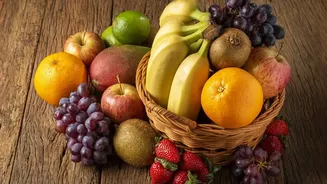
Understanding the power of ethylene gas can make you the master of your fruit bowl. If you want to speed up ripening, you can place your bananas in a paper bag. This traps the ethylene gas they naturally produce, concentrating it and accelerating the process. Adding another ethylene-producing fruit, like an apple, to the bag can speed things up even more. Conversely, if you want your bananas to last longer, the key is to reduce their exposure to ethylene. Separating the bananas from the bunch can help, as it slows the domino effect of ripening. You can also keep them away from other ripe fruits. Commercial distributors even use ethylene absorbents to prolong shelf life during transport and storage.