





The Push for High-Value Experiences
Kerala's tourism strategy is increasingly focused on quality over quantity. The government's 'Mission 2030' aims to significantly increase tourism's contribution to the state's GDP, with a clear focus on attracting private investment and high-spending
travellers. The logic is straightforward: premium tourists—those seeking luxury wellness retreats, boutique backwater cruises, and curated cultural experiences—tend to spend more per person, which can generate higher revenue with a smaller environmental footprint than mass tourism. Initiatives to develop heli-tourism, attract more visitors from affluent regions like the Middle East for medical and leisure travel, and upgrade key destinations are all part of this vision. This strategy banks on Kerala's inherent strengths: its world-renowned Ayurvedic traditions, serene landscapes, and unique cultural heritage, which are all ingredients for a compelling premium offering.
Where Does the Money Really Go?
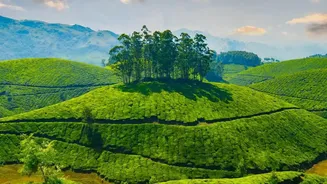
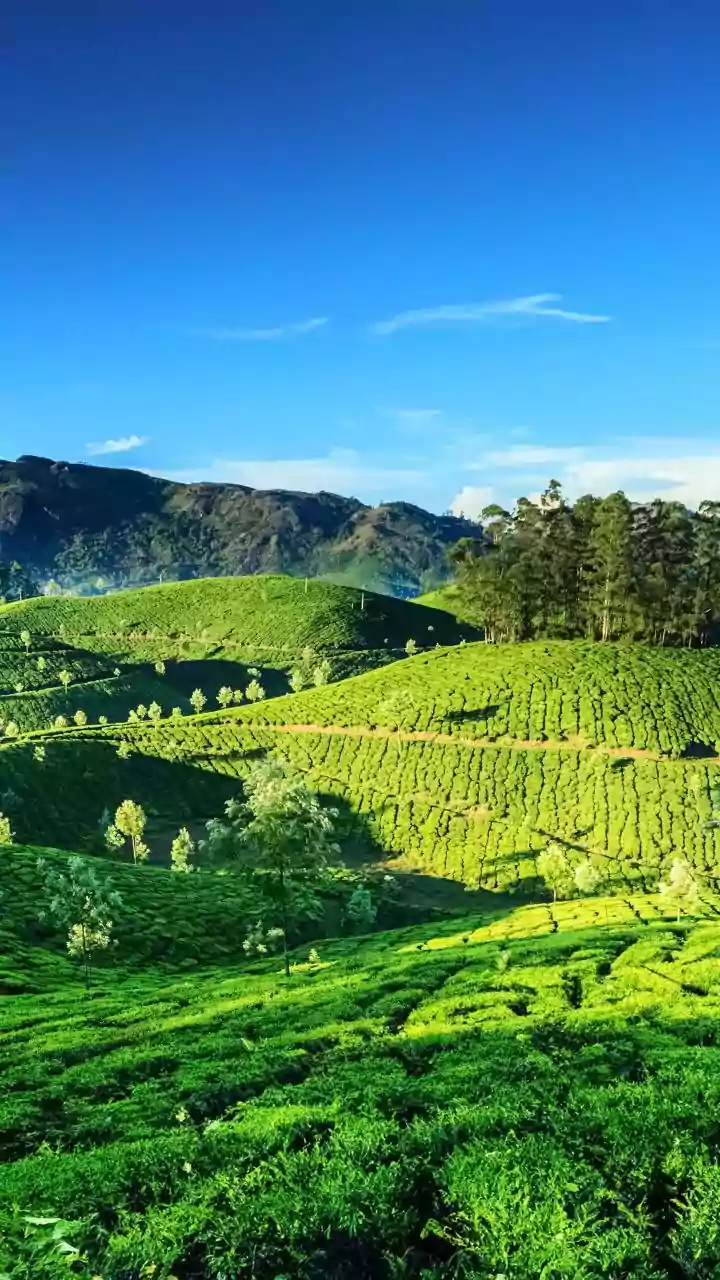
The primary concern with a premium-focused model is economic leakage. When large, high-end resorts and international tour operators dominate the landscape, a significant portion of tourist spending can flow out of the local economy. This can leave small-scale entrepreneurs, local artisans, and farmers on the sidelines. While tourism is a major employer, providing jobs to roughly 1.5 million people, the question is whether the benefits are distributed equitably. Over-dependence on a few popular destinations like Munnar and Alappuzha already puts immense pressure on their infrastructure and ecosystems, a problem that could be exacerbated by high-end, resource-intensive developments. Without a deliberate effort to integrate local businesses, a push for premium tourism risks creating exclusive bubbles that are disconnected from the wider community.
A Homegrown Solution: The Responsible Tourism Mission
Fortunately, Kerala has a powerful tool to create this balance: its globally acclaimed Responsible Tourism (RT) Mission. Launched in 2017, the mission’s core principle is to make tourism a tool for local and village development. It operates on a 'triple-bottom-line' of economic, social, and environmental responsibility. In practice, this involves connecting hotels and resorts with local farmers for produce, linking tour operators with village life experience units, and creating markets for local artisans. This model ensures that tourism revenue directly supports livelihoods, empowers women, and encourages the preservation of local culture and the environment. The success of the RT Mission in destinations like Kumarakom and Beypore has been recognised globally, demonstrating that tourism can be both profitable and community-centric.
The View From the Ground
For many Keralites, the RT Mission has turned tourism into a tangible economic opportunity. Homestays have flourished, offering travellers an authentic taste of local life while providing families with a direct source of income. Community-led initiatives, from guided village walks to traditional craft workshops, allow visitors to have more meaningful interactions and ensure their money stays within the community. This approach also aligns with a growing global travel trend where tourists, even at the premium end, are increasingly seeking authentic, sustainable, and ethical experiences over generic luxury. However, challenges remain. Small operators often struggle to compete with the marketing budgets of large chains, and ensuring consistent quality and standards across a decentralised network requires continuous support and training from the government.
Navigating the Road Ahead
Achieving a perfect balance is an ongoing process. Kerala's government is actively working to grant industry status to the tourism sector, which could bring benefits like lower power tariffs and easier access to financing for local entrepreneurs. At the same time, there is a growing awareness of the need to manage the environmental impact of tourism, with carrying-capacity studies underway for fragile hill stations like Wayanad and Idukki to avoid the pitfalls of over-tourism. The state must also contend with external factors, such as regional conflicts that can disrupt travel from key markets in West Asia, which is a crucial source of high-spending visitors. The future of Kerala's tourism will depend on its ability to weave the principles of the Responsible Tourism Mission into every aspect of its premium strategy, ensuring that growth is both sustainable and inclusive.