



From Niche Pursuit to Daily Nutrition
For decades, protein supplements in India were associated almost exclusively with elite athletes and serious fitness enthusiasts. The image was one of bulky tubs of whey powder and chalky bars, a niche category far removed from the everyday family grocery
list. That picture is rapidly changing. What was once a specialist product is now a mainstream phenomenon, as a growing wave of health and wellness consciousness sweeps the nation. Consumers from all walks of life are now actively seeking out protein-enriched foods, not just for building muscle, but for overall well-being, weight management, and improved immunity. This shift is fuelling a massive business opportunity, with the Indian protein-based product market projected to grow from around $4.58 billion in 2024 to over $16 billion by 2033.
The Post-Pandemic Health Awakening
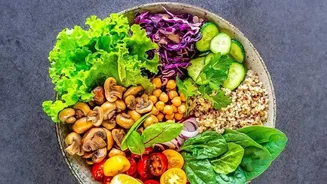
The COVID-19 pandemic acted as a powerful catalyst for this trend, sharpening the collective focus on preventive health. As immunity became a household word, consumers began to look more closely at the nutritional content of their food. Protein, known for its role in building and repairing tissues and supporting the immune system, moved into the spotlight. This growing health awareness, coupled with rising disposable incomes and urbanization, has created the perfect environment for the protein market to flourish. Consumers are no longer just eating for sustenance; they are eating for optimisation, looking for functional foods that offer benefits beyond basic calories. This has prompted a move away from traditionally carbohydrate-heavy diets towards more balanced and nutrient-rich plates.
More Than Just Powders and Bars
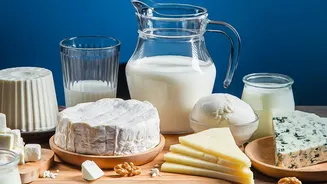
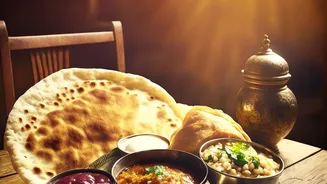
Perhaps the most significant sign of this mainstream shift is the sheer diversity of products now available. The industry has moved far beyond protein shakes. Major food companies and innovative startups are embedding protein into familiar, everyday foods that require no change in eating habits. Supermarket shelves now feature protein-fortified atta, where a few rotis can meet a significant portion of daily protein needs. You can find protein-rich biscuits, breakfast cereals, noodles, and even ice creams. Traditional dairy giants have launched high-protein versions of paneer, dahi, lassi, and buttermilk. This strategy of fortifying staples makes it easier for consumers to boost their intake without drastically altering their diets, making nutrition convenient and accessible.
The Rise of the 'Everyday Athlete'
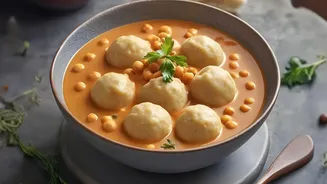
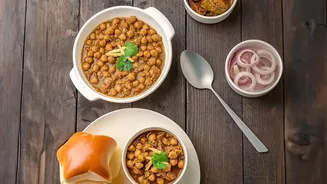
This boom is not just confined to metropolitan hubs like Bengaluru, which remains a key market. In fact, the most explosive growth is happening in Tier-II and Tier-III cities like Nagpur, Jaipur, and Guwahati, where demand is growing over 200% faster than in the metros. This indicates a nationwide democratisation of nutrition. Quick commerce platforms have played a huge role, with some reporting a 150% surge in protein-related orders over the last two years and expanding their offerings to thousands of products. The trend is also seeing a rediscovery of traditional Indian superfoods. Staples like sattu (roasted gram flour), besan, paneer, and various dals are being rebranded and appreciated for their natural protein content.
Challenges and the Road Ahead
Despite the market's rapid growth, a significant challenge remains: widespread protein deficiency. Studies suggest that a large percentage of the Indian population still consumes inadequate amounts of protein. This highlights a major nutritional gap that the current trend is beginning to address. Affordability and awareness are key hurdles to overcome. Furthermore, with a large vegetarian population, the focus on plant-based protein sources is crucial. The market for plant-based protein ingredients is expected to double in the next five years, driven by consumer demand and a need for domestic production, as many ingredients are currently imported. The future will likely hinge on creating affordable, tasty, and culturally relevant products that seamlessly fit into the Indian diet.