




A Festival Fuelled by Feasting
For five days, Kolkata transforms into a grand carnival where devotion, art, and food merge seamlessly. Pandal hopping, the tradition of visiting various Durga idols across the city, is as much a culinary pilgrimage as it is a spiritual one. The streets
become a massive food court, with every corner offering a new temptation. Eating out is not just an activity but an integral part of the Pujo experience, a communal act that brings friends and family together to share in the city’s infectious joy. The journey from one pandal to the next is punctuated by essential food stops, making neighbourhood hopping the very essence of the festive gastronomic adventure.
North Kolkata: A Taste of Tradition
To understand the soul of Pujo food, one must begin in North Kolkata. This is the city's old heart, where traditions are preserved in heritage homes (bonedi baris) and century-old eateries. Here, the food is steeped in nostalgia. Early morning pandal hopping might end with a breakfast of fluffy kochuri and a sweetish potato curry from a hole-in-the-wall shop. Iconic cabin-style restaurants in areas like Shyambazar and Hatibagan serve timeless classics. Dishes like fish kabiraji, a crispy fried fillet enveloped in a delicate egg net, and Mughlai paratha, a rich bread stuffed with minced meat and egg, are quintessential North Kolkata indulgences. It’s a culinary landscape that honours its past, offering flavours that have defined Pujo for generations.
South Kolkata: The Contemporary Palate
In contrast, South Kolkata offers a more modern, cosmopolitan food experience. Here, tradition meets innovation. While the classic street foods are still abundant, the area is also known for its trendy cafes, pubs, and fine-dining restaurants that roll out special Pujo menus. You're as likely to find fusion dishes like 'rosogolla chaat' or pot-sticker dumplings as you are a traditional Bengali thali. Eateries in bustling neighbourhoods like Ballygunge and Park Street cater to a crowd eager to experiment. This part of the city showcases the evolution of Pujo's food culture, where global trends are seamlessly integrated with festive favourites, proving that the spirit of celebration can be expressed in many delicious forms.
The Unifying Street Food Classics
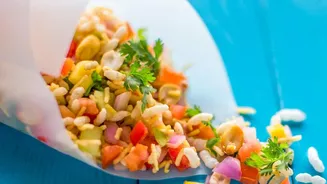
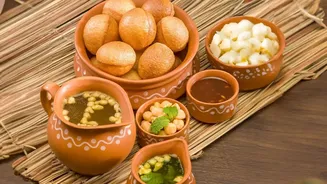
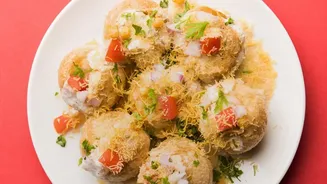
Regardless of which part of the city you're in, some foods are universal Pujo essentials. The spicy, tangy explosion of phuchka is a non-negotiable experience, with stalls drawing long queues near almost every pandal. Kathi rolls, flaky parathas wrapped around succulent fillings, are the perfect on-the-go snack for tireless pandal hoppers. Then there are the deep-fried chops and cutlets, from vegetable to fish or mutton, best enjoyed with a sharp mustard sauce called kasundi. Ghugni, a savoury curry of yellow peas, offers a warm, comforting break from the walking. These street foods are the great unifiers, the common thread in every Kolkatan’s Pujo story.
Sacred Meals and Sweet Endings
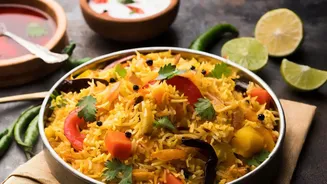
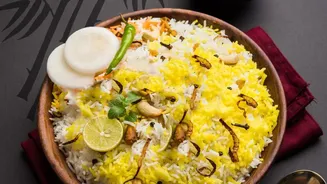
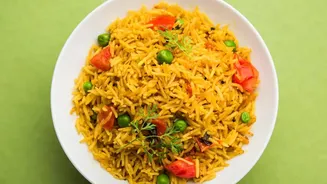
No Durga Puja food journey is complete without partaking in bhog and indulging in sweets. Bhog is the sacred food offered to the goddess and then distributed to devotees. This simple, soulful meal, typically consisting of khichuri, labra (a mixed vegetable dish), and chutney, is a highlight for many, representing community and blessings. And of course, there is mishti. Sweet shops are laden with festive specials like sandesh, rosogolla, and mishti doi. These sweets are not just dessert; they are a mandatory part of the celebration, exchanged between households and savoured after every meal, providing a perfectly sweet conclusion to the festive feasting.