



Why Your Jeera Might Be Impure
The high cost and constant demand for cumin make it a prime target for adulteration. Unscrupulous sellers may mix in cheaper substances to increase the weight and volume of their product, boosting profits at the expense of quality and safety. Common adulterants
include wild grass seeds, which can look deceptively similar to real cumin, sawdust, and even stone powder. To mask the presence of these fillers or to make old, depleted stock look fresh and dark, sellers sometimes coat the entire batch with charcoal dust or potentially toxic artificial dyes. These impurities not only dilute the spice's signature aroma and flavour but can also introduce harmful contaminants into your food.
The Visual Inspection: Your First Clue
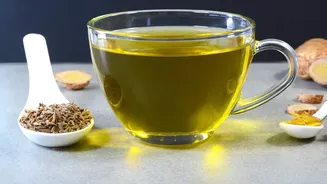
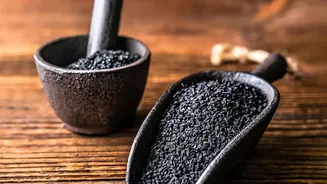
Before you even use the cumin, take a moment to look at it closely. Genuine cumin seeds are typically brownish-grey and have a distinct boat shape, tapering at the ends with visible ridges running along their length. Spread a small amount on a white plate and examine the batch under good light. Look for uniformity in size, shape, and colour. If you notice seeds that are unusually small, round, or smooth, they could be grass seeds. An unnaturally dark, black, or overly shiny appearance is another red flag, often indicating a coating of charcoal dust or other colorants. Pure cumin should not have a lot of broken seeds or excessive powder at the bottom of the container.
The Palm Rub Test: Checking for Colour
One of the simplest and most effective home tests, recommended by the Food Safety and Standards Authority of India (FSSAI), is the palm rub test. Take a small pinch of cumin seeds and rub them vigorously between your palms for about 15-20 seconds. Now, look at your hands. If the seeds are pure, your palms should remain clean, perhaps with a faint, earthy aroma. However, if your palms are stained with a black, grey, or dusty residue, it's a strong indication that the cumin has been adulterated with charcoal dust or artificial colours. This test quickly reveals surface coatings that have no place in your spice jar.
The Water Test: See What Floats and Bleeds
Another easy and reliable method is the water test. Drop a spoonful of cumin seeds into a glass of water. Pure, dense cumin seeds will generally sink to the bottom. While some may float initially, most should settle. If a significant number of seeds remain floating, it might suggest the presence of lightweight impurities like grass seeds or sawdust. More importantly, observe the water itself. If it immediately turns dark, inky, or blackish-brown, the seeds are likely coated with artificial colour or charcoal. Authentic cumin will only release a pale, light-yellowish hue very slowly. Any rapid and intense colour bleed is a clear sign of contamination.
The Aroma and Crush Test
Your sense of smell is a powerful tool. High-quality cumin has a strong, warm, and nutty aroma that is unmistakable. Adulterated cumin, especially if mixed with grass seeds or other fillers, will smell weak, grassy, or even musty. To amplify the scent, take a few seeds and crush them between your fingers or with your thumbnail. Pure cumin will release a pungent, earthy fragrance due to its essential oils. If the crushed seeds have little to no scent or a woody taste, the batch is likely old, depleted of its natural oils, or mixed with substitutes.
Health Risks and Smart Buying
Consuming adulterated cumin is not just a matter of poor flavour; it can be a serious health risk. Artificial dyes, such as coal-tar dyes, and heavy metals used for colouring have been linked to allergies, organ toxicity, and even cancer. Stone powder and other physical impurities can cause digestive issues or dental damage over time. To protect your family, always try to buy whole spices instead of pre-ground powders, as adulteration is harder to hide in whole seeds. Opt for sealed packets from reputable brands that display an FSSAI license number. While simple home tests are excellent for initial screening, being a cautious buyer is the first line of defence against impurities in your kitchen.