


The Rise of Ingestible Beauty
The line between wellness and beauty has never been blurrier. Functional beverages—drinks designed with added health benefits beyond basic nutrition—are the new frontier for skincare. Brands are using classic beauty language, promising benefits like enhanced
skin elasticity, a radiant glow, and deep hydration from within. This booming market, often called 'nutricosmetics', taps into a growing consumer desire for holistic health solutions that blend nutrition with self-care. The trend extends beyond just drinks; you can find collagen-infused coffee creamers, antioxidant-rich snack bars, and powders meant to be stirred into your daily smoothie, all positioned as part of a beauty routine.
The Star Ingredients: What's Inside?
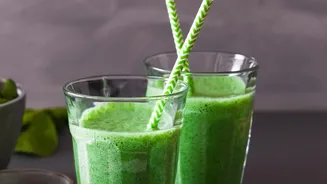
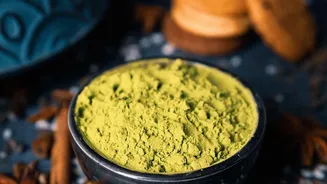
Three key ingredients are at the forefront of this trend: collagen, hyaluronic acid, and antioxidants. Collagen, the most abundant protein in our bodies, is credited with providing skin its structure and firmness. Many drinks contain hydrolyzed collagen peptides, which are smaller, supposedly easier-to-absorb forms of the protein. Hyaluronic acid, another substance naturally found in the skin, is famous for its ability to retain moisture. Meanwhile, antioxidants, often sourced from superfoods like matcha, are known to fight free radicals, which contribute to premature aging. Brands claim that consuming these ingredients offers a more effective, inside-out approach to skin health.
Does the Science Hold Up?
This is where the marketing buzz meets a more complex reality. While the logic seems sound, the scientific evidence for the effectiveness of ingestible skincare is still developing. When you consume collagen, for instance, your body breaks it down into amino acids. There is no guarantee that these building blocks will be reassembled as collagen in your skin; they could be used anywhere your body needs protein. Some small studies, often funded by the industry, have shown modest improvements in skin hydration and elasticity after several weeks of consistent use. However, many dermatologists remain skeptical, arguing that a balanced, protein-rich diet can provide the same amino acids.
The Expert Verdict on 'Drinkable' Skincare
Most experts agree that these drinks are not a magic bullet. For hyaluronic acid, some clinical trials suggest that oral supplements can improve skin hydration and reduce the appearance of wrinkles, but more large-scale research is needed. Similarly, antioxidants from sources like matcha are certainly beneficial, but you can get them from a healthy diet rich in fruits and vegetables without paying a premium for a specialty drink. Many experts caution that the dosages in some ready-to-drink beverages may be too low to produce the effects seen in clinical studies. The consensus is that while these drinks are unlikely to be harmful, they are best viewed as a supplement to, not a replacement for, a healthy lifestyle and a proven topical skincare routine.
A Smarter Approach to a Healthy Glow
So, should you invest in these beauty beverages? If you enjoy them and they replace less healthy options like sugary sodas, there's little harm. However, for guaranteed results, the old-fashioned way is still the most reliable. A balanced diet filled with high-fiber foods and omega-3 fatty acids provides the essential nutrients for skin health. Staying hydrated with plain water is crucial and far more economical. And when it comes to fighting wrinkles and sun damage, nothing has more scientific backing than consistent use of sunscreen and topical retinoids. The trend of functional beauty drinks is a testament to clever marketing meeting a genuine consumer desire for wellness, but true radiance is built on a foundation of overall health.