






The Hidden Risks on Your Kitchen Counter
Many popular home remedies for skincare can do more harm than good because they disrupt the skin's natural protective barrier. This barrier, known as the acid mantle, has a slightly acidic pH of around 4.7 to 5.5. When you apply ingredients that are too
alkaline or too acidic, you strip this protective layer. This can lead to dryness, redness, irritation, and even make your skin more vulnerable to breakouts and sun damage. For instance, baking soda has a high alkaline pH of about 9, which can weaken the skin barrier and allow moisture to escape, leaving your skin feeling tight and dry. Conversely, pure lemon juice is highly acidic with a pH of around 2, which can cause significant irritation, increase sun sensitivity, and potentially lead to chemical burns or dark patches, a reaction known as phytophotodermatitis.
Common Culprits to Use with Caution
While many online tutorials promote them, dermatologists advise caution with several common kitchen staples. Lemon juice is often hailed for brightening, but its high acidity can cause severe irritation and make skin photosensitive. Baking soda, used as an exfoliator, is too alkaline and its gritty texture can create micro-tears on the skin's surface, leading to inflammation. The combination is particularly problematic. Even seemingly gentle ingredients like apple cider vinegar can cause burns if left on the skin for too long. Spices like cinnamon can be potent irritants for many people, causing redness and burning sensations. And while sugar or salt scrubs are fine for the body, their sharp crystals are too abrasive for the delicate skin on your face, risking irritation and damage. It's crucial to understand that everyone's skin is different, and what works for one person might cause a severe reaction in another.
The Golden Rule: How to Patch Test
To avoid a full-face disaster, a patch test is your most important tool. It’s a simple method to see how your skin will react to a new product or DIY concoction before you apply it everywhere. First, choose a discreet, clean, and dry patch of skin. Good spots include the inner forearm, behind your ear, or along your jawline. Apply a small, pea-sized amount of the mixture to the area. For a rinse-off mask, leave it on for the recommended time (e.g., 5-15 minutes) before washing it off. For a leave-on product, let it sit. The key is to wait and observe. While some sources suggest 24 hours is enough for basic products, for active or potentially irritating ingredients, waiting 48 to 72 hours is better to catch delayed reactions.
Reading the Signs: What to Look For
During the patch test period, pay close attention to how your skin feels and looks. Signs of an adverse reaction include redness, itching, burning or stinging sensations, swelling, hives, or the appearance of bumps. You might also notice new dryness, flaking, or a rough texture. Even a mild tingling that doesn't go away quickly is a warning sign. If you experience any of these symptoms, wash the product off the test area immediately with cool water and stop using it. You can apply a soothing, fragrance-free moisturizer or petroleum jelly to help calm the area. If the reaction is severe or doesn't improve, it's best to consult a dermatologist. A successful patch test, with no reaction after the waiting period, gives you the confidence to proceed with using the mask on your face.
Safer DIY Ingredients to Try
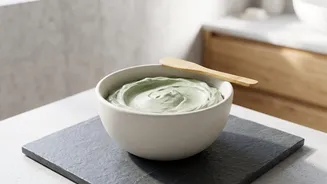
If you love the ritual of homemade masks, there are plenty of gentler ingredients that dermatologists generally approve of. Oatmeal is known for its calming and anti-inflammatory properties, making it great for soothing irritated skin. Raw honey, especially Manuka honey, is celebrated for its antibacterial and moisturizing benefits, which can help with acne and hydration. Plain yogurt contains lactic acid for gentle exfoliation, while avocado is rich in vitamins and can help moisturize and calm the skin. Aloe vera, preferably straight from the plant, is another excellent choice for its soothing and anti-inflammatory effects. These ingredients are generally well-tolerated, but even with these, performing a patch test is still a smart first step to ensure they are right for your unique skin.