






A Snack's Unexpected Promotion
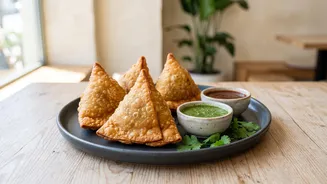
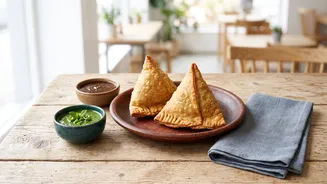
In a move that celebrates local culinary heritage, the Prayagraj samosa has been officially selected for promotion under a government initiative designed to champion regional products. This isn't just a symbolic nod to a popular snack; it's part of a structured
strategy to boost local economies. Inspired by the nationwide 'One District, One Product' (ODOP) program, the state government has launched a 'One District, One Cuisine' (ODOC) initiative. The goal is to identify a signature dish from each district and provide the industry around it with support for branding, marketing, and quality improvement. For Prayagraj, a city known for its spiritual significance, the choice of the everyday samosa highlights a commitment to empowering grassroots entrepreneurs and celebrating a food that is deeply woven into the city's cultural fabric.
What is the ODOP Initiative?
The 'One District, One Product' (ODOP) scheme, first launched by Uttar Pradesh in 2018 and later adopted nationally, is a powerful concept. It aims to identify one unique product from each district—be it a handicraft, agricultural produce, or a processed food item—and turn it into a well-known brand. The initiative provides a framework for holistic development, including financial assistance, skill training, and creating better market access. By focusing resources on a single product, the government aims to create sustainable employment, preserve traditional skills, and promote balanced regional development. The selection of the samosa under the related ODOC scheme applies this same logic to cuisine, aiming to elevate a local delicacy into a formal micro-industry.
Why the Prayagraj Samosa?
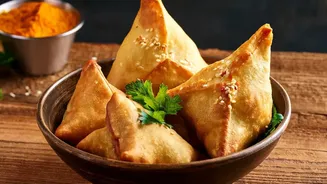
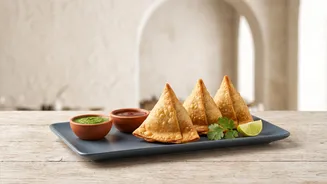
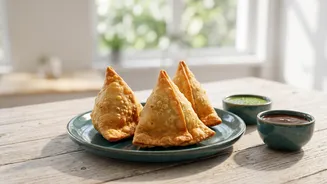
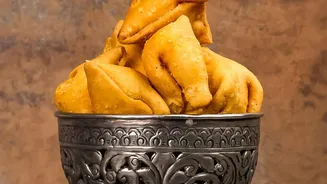
The decision to choose the samosa was far from random. According to officials, the selection followed extensive consultations with culinary experts, historians, and local business owners. Through surveys and committee discussions, the samosa emerged as the undisputed culinary symbol of Prayagraj's daily life. The recognition doesn't single out a specific type; it embraces all variations, from the classic potato-filled triangles to the smaller, spicier 'mini samosas' and even sweet versions. This snack is more than just food; it's a shared experience that cuts across all sections of society. Its selection acknowledges the significant, albeit informal, economy built around it, which includes hundreds of manufacturers, street vendors, and restaurants.
From Street Corner to Strategic Asset
The promotion push aims to bring tangible benefits to the local samosa trade. The initiative is expected to support over 1,000 families involved in the business in Prayagraj. This support is not just about a title; it involves practical steps to improve branding, hygiene standards, and market visibility. Entrepreneurs can receive financial assistance through credit-linked subsidies to establish new units or expand existing ones. There is also a focus on training in modern production techniques, developing better packaging to improve shelf life, and creating linkages to e-commerce platforms and wider markets. The government has reportedly identified around 30 major samosa-producing businesses to help them scale up their operations, effectively turning a beloved street food into a more organised and profitable industry.
A Recipe for Broader Success?
While the focus is on the samosa, the initiative also includes other local favourites like rasgullas and puri-kachoris, expanding the scope of support. The goal is to generate significant employment and turn Prayagraj into a hub for its unique culinary offerings. This structured support can help local vendors overcome challenges like access to capital and competition from larger, generic brands. By improving quality and packaging, these traditional snacks can find new customers, from tourists visiting the city to consumers across the country via online delivery. The success of this initiative could provide a blueprint for other regions, proving that investing in hyper-local, culturally significant products can be a powerful driver of economic growth and self-reliance, perfectly aligning with the national vision of 'Vocal for Local'.