



What is Sustainable Tourism, Anyway?
Before we dive into Kerala, let's get the term straight. Sustainable tourism isn't just about planting trees or avoiding plastic straws, though that's part of it. It’s a bigger idea with three main pillars: economic, social, and environmental responsibility.
In simple terms, it means tourism should make money for local people, respect local culture and traditions, and protect the natural environment instead of harming it. It's about creating a balance where visitors have a great time, but the destination and its community also thrive long after the tourists have gone home.
Kerala's Big Idea: The Responsible Tourism Mission
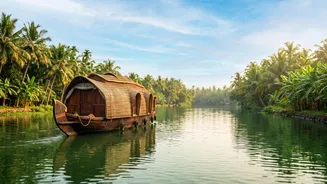
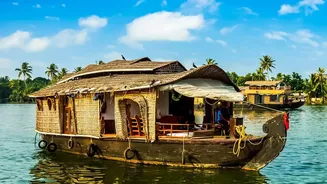
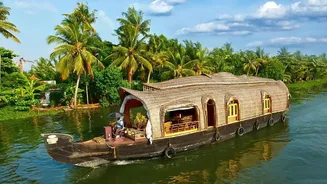
Kerala took this idea seriously. Back in 2007, it launched its Responsible Tourism (RT) initiative, which has since grown into a full-fledged RT Mission. This wasn't just a policy on paper; it was a new way of thinking. The goal was to connect the booming tourism industry directly with local communities. Instead of resorts operating in a bubble, the RT Mission encouraged them to buy produce from local farmers, hire local guides, and involve villagers in creating authentic experiences for tourists. The initiative started in four pilot locations, including the now-famous backwater destination of Kumarakom, and has since expanded across the state. The mission's work has been so successful that it has won numerous national and international awards, establishing a model for others to follow.
Putting Principles into Practice
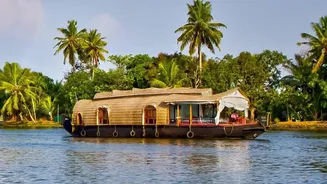
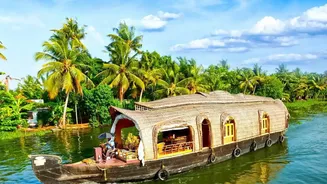
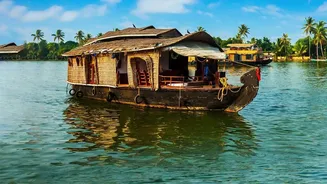
So, what does this look like for a traveller? It means you can have experiences that go beyond typical sightseeing. In places like Kumarakom, you can take a tour of a village to see coir (coconut fibre) being made, watch traditional fishing methods, or enjoy a home-cooked meal prepared by a local family. These activities provide direct income to the villagers. The RT Mission has also championed women-led enterprises, with thousands of units now active in everything from catering to craft-making, supported by partners like UN Women. In wildlife sanctuaries like Thekkady and Periyar, the focus is on conservation and educating visitors about biodiversity. Many resorts in these areas have replaced plastic water bottles with glass ones and use eco-friendly straws, showing how small changes can add up.
The Challenges Are Real
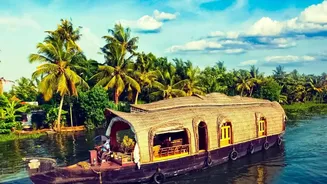
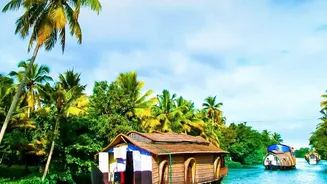
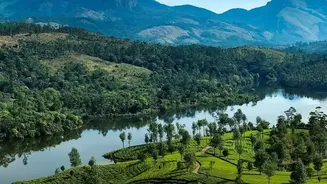
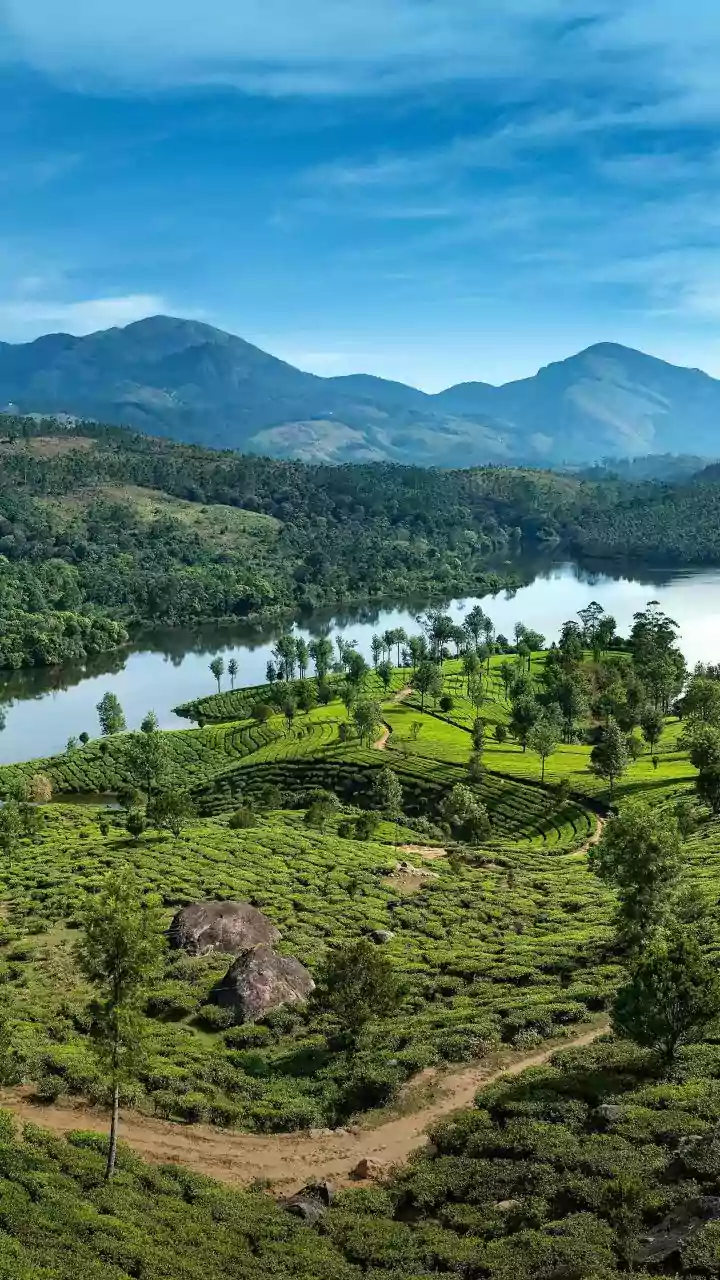
Despite the global recognition, Kerala's journey is not without its hurdles. Overtourism is a major concern in popular spots like Munnar and the Alleppey backwaters, leading to pressure on natural resources and infrastructure. Waste management remains a significant challenge, especially with the high volume of visitors. To combat this, authorities are stepping up efforts. The Kerala High Court has ordered a ban on many single-use plastic items in hilly tourist areas, which was set to take effect in late 2025. Local panchayats in places like Munnar are also imposing heavy fines for plastic use to protect the fragile ecosystem. There's also the risk of cultural experiences becoming too commercialised and losing their authenticity.
The Current Picture and the Road Ahead
Today, Kerala continues to deepen its commitment. The RT Mission is now a government-owned society, giving it more power to train and support local communities in starting tourism enterprises. It's also expanding projects like the award-winning 'Water STREET' in Maravanthuruthu, which focuses on rejuvenating local waterways. The government has launched a 'Clean Destination Campaign' across all districts, partnering with Kudumbashree and the Haritha Karma Sena (Green Task Force) to ensure tourist spots remain clean. The state is also pushing to become a year-round destination to reduce the strain of seasonal tourism and build a more resilient economy in the face of climate change. This focus on sustainability is even embedded in the state's official Environment Budget, linking fiscal planning directly to its green goals.