






The Rise of the 'Coolcation'
Forget chasing the sun. One of the most significant shifts identified in the report is the move towards 'coolcations'. With summer temperatures soaring in traditional hotspots across Southern Europe and other popular regions, travellers are increasingly
looking north. Destinations like Norway, Iceland, Canada, and the Baltics are seeing a surge in interest. The appeal is simple: comfortable weather allows for more outdoor activities like hiking and exploring cities without the oppressive midday heat. This trend isn't about avoiding the beach entirely; it’s about swapping overcrowded, sweltering coastlines for the fresh air of fjords, mountain lakes, and cooler seaside towns, a direct response to climate change's growing impact on our travel choices.
AI as Your Personal Travel Agent
The days of spending hours sifting through dozens of websites may be numbered. By 2027, Artificial Intelligence is set to become a dominant force in travel planning. Generative AI tools and apps are evolving from simple search engines into sophisticated personal travel assistants. These tools can now build detailed, day-by-day itineraries based on your interests, budget, and travel style in minutes. They can recommend restaurants, book tours with live availability, and manage your confirmations automatically. However, the report also notes a parallel trend: as AI becomes more common, travellers are placing a higher value on trusted, human-curated advice to cut through the noise and verify AI-generated suggestions.
From Vacation to Transformation
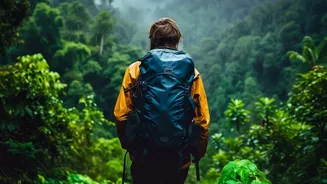
A simple break is no longer enough for many. The 2027 report highlights a boom in 'transformative travel'. This goes beyond typical wellness retreats focused on spa treatments. Today’s travellers are seeking deeper experiences that foster personal growth, healing, and connection. These trips might involve learning a new skill, engaging in mindfulness practices, or embarking on a physically challenging adventure. The goal isn't just to escape daily life, but to return from a trip with a renewed sense of purpose, mental clarity, or a different perspective. The wellness tourism market, which encompasses this trend, is projected to grow significantly, signalling a major shift in what people value from their time away.
The Allure of the Second City
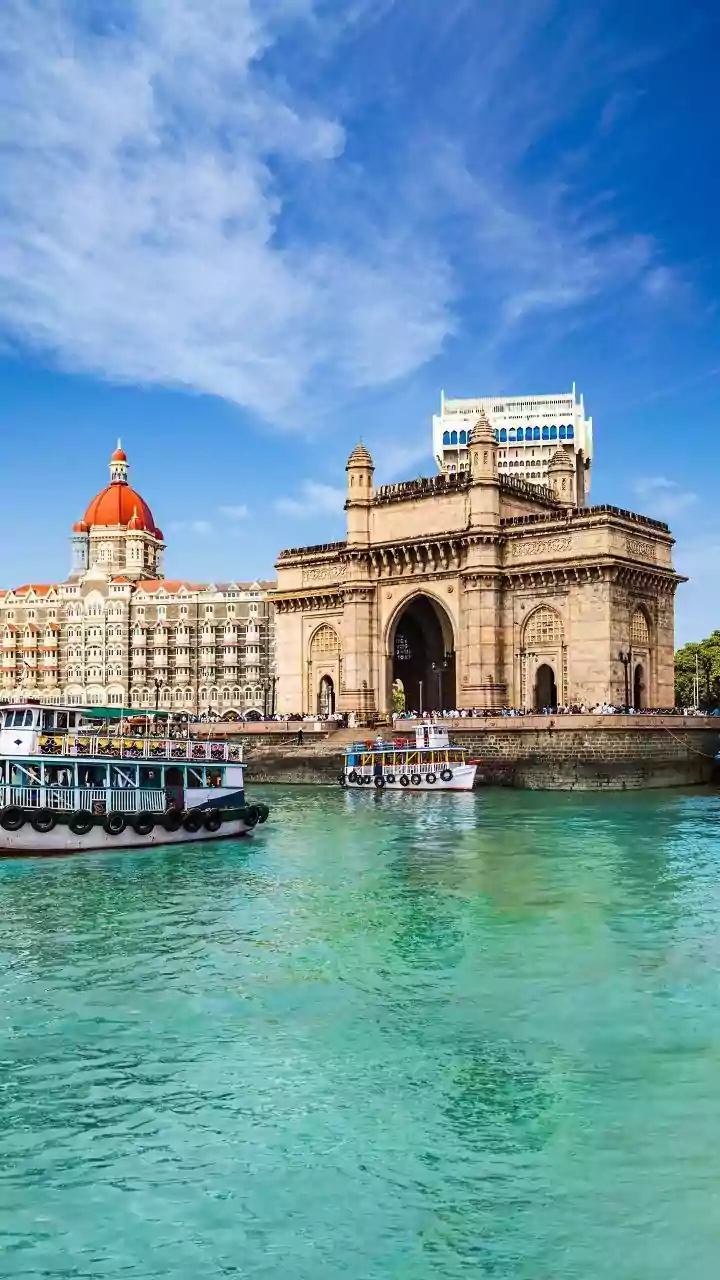
Overtourism in major world capitals has led savvy travellers to look elsewhere. The 'second city' travel trend is gaining serious momentum, particularly for Indian travellers. Instead of heading to Delhi or Mumbai, people are exploring the unique charms of cities like Lucknow, Indore, Ahmedabad, and Bhubaneswar. These destinations offer rich cultural experiences, incredible food, and a more authentic glimpse into local life, often without the crowds and higher costs of their more famous counterparts. Improved domestic flight and rail connections are making it easier than ever to add these less-explored gems to an itinerary, a trend being driven by younger travellers seeking new and unique experiences.
Deeper, Not Wider: The New Travel Mindset
Finally, the report points to a recalibration of what makes a trip meaningful. After years of trying to pack as much as possible into a single holiday, the emerging trend is about depth over volume. This can mean taking fewer but longer trips, embracing 'slow travel' via scenic train journeys, or anchoring a trip around a single, meaningful event like a festival or concert. There's a growing desire to connect with a destination on a more profound level rather than just ticking off a checklist of sights. This intentional approach also reflects a desire for 'human sustainability'—prioritising rest and genuine connection over the pressure to have a hyper-optimised, Instagram-perfect vacation.