
The Secret Chemical Messenger: Ethylene Gas
The magic behind this fruit-ripening trick lies in a simple, naturally occurring plant hormone called ethylene gas. It’s an odourless, colourless gas that acts as a signal for many fruits to begin the ripening process. Fruits are often classified into
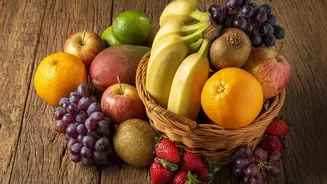
two categories based on their relationship with ethylene: climacteric and non-climacteric. Non-climacteric fruits, like citrus, grapes, and strawberries, do not ripen significantly after being picked. Climacteric fruits, however, continue to ripen after being harvested, and they do so by producing ethylene gas. As these fruits mature, they release ethylene, which triggers a cascade of changes within the fruit itself and any susceptible fruit nearby.
Apples and Bananas: A Powerful Combination
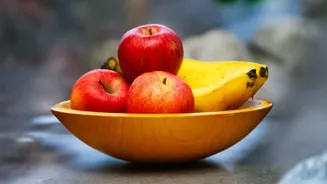
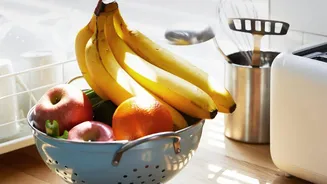
Both apples and bananas are climacteric fruits, but apples are known to be particularly high producers of ethylene gas. Other potent producers include avocados, pears, and stone fruits like peaches and plums. When you place an apple next to a bunch of unripe bananas, the apple emits a steady stream of ethylene gas. Bananas are highly sensitive to external ethylene. This exposure kick-starts their own ripening process, causing them to produce their own ethylene and accelerate the journey from green and starchy to yellow and sweet. Essentially, the apple acts as an initiator, sending out a powerful signal that tells the bananas it's time to ripen.
What Happens Inside the Banana?
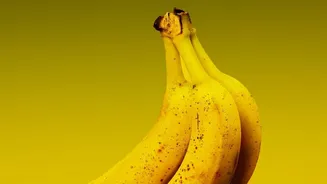
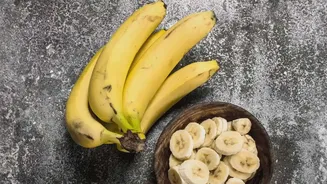
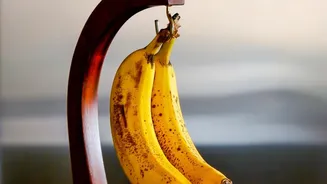
Once the ethylene signal is received, a series of biochemical reactions begins inside the banana. Enzymes get to work breaking down complex starches into simple sugars, which is why ripe bananas are so much sweeter than green ones. The same process softens the fruit’s cell walls, transforming its texture from firm to tender. Chlorophyll, the pigment that makes the peel green, starts to break down, revealing the yellow pigments underneath. As the banana continues to ripen, brown spots may appear, which indicates that even more starches have converted to sugar, making the fruit even sweeter and ideal for baking.
The Best Way to Do It at Home
To maximize the effect, you need to trap the ethylene gas. The most effective method is to place your unripe bananas in a loosely folded paper bag with an apple or a ripe banana. The paper bag allows for some air circulation, preventing moisture build-up that could lead to mould, but it concentrates the ethylene gas around the fruit. Avoid using a plastic bag, as it traps too much moisture. Keep the bag at room temperature, ideally in a warm spot, as cooler temperatures slow the ripening process. You can expect this method to speed up ripening by a day or two, so check daily to ensure your bananas don't become overripe.
Know When to Separate Your Fruits
While this technique is great for ripening, it also highlights the importance of proper fruit storage. If you want to prevent your ripe produce from spoiling too quickly, you should do the opposite: keep high ethylene-producing fruits away from those that are sensitive to it. For example, storing apples next to your lettuce or broccoli can cause them to turn yellow and limp prematurely. Carrots can become bitter, and cucumbers can develop soft spots when exposed to ethylene. Once your bananas have reached the perfect stage of ripeness, you can slow the process down by moving them away from other fruits and even placing them in the refrigerator. The peel may turn dark, but the fruit inside will remain fresh for several more days.