





The Case for Walking: Accessible Cardio
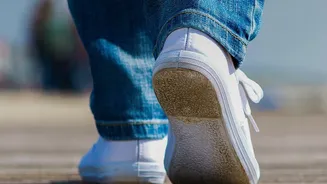
Walking is perhaps the most underrated form of exercise. Its biggest advantage is accessibility—it’s free, requires no special equipment, and can be done almost anywhere. As a cardiovascular activity, walking is excellent for heart health. Regular brisk
walks help lower blood pressure, improve blood circulation, and balance cholesterol levels. It's a weight-bearing exercise, which means it helps strengthen bones and supports weight management by burning calories. Beyond the physical, walking is also a proven mood booster, helping to reduce stress and improve mental clarity. It serves as the perfect foundation for an active lifestyle because it's gentle on the joints and easy to maintain consistently.
The Power of Pilates: Core Strength and Control
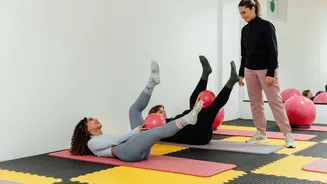
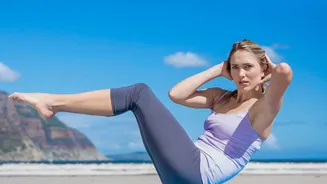
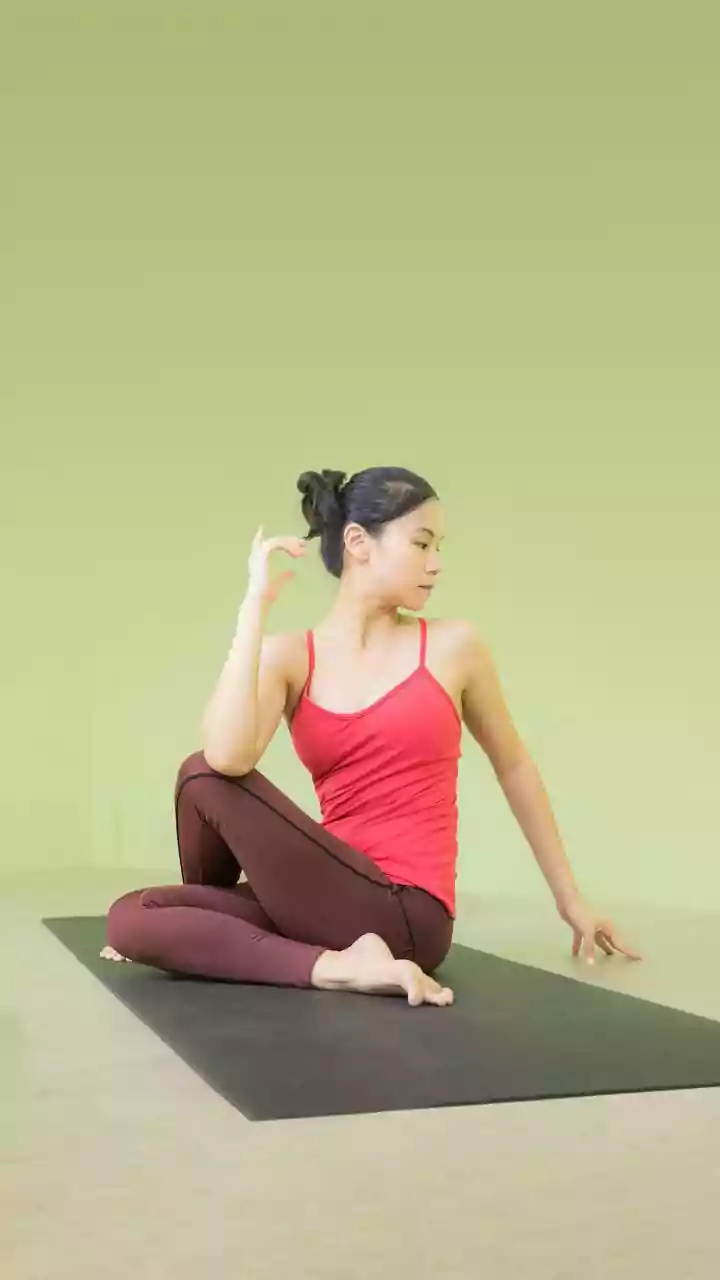
Pilates is a form of exercise that emphasizes controlled movements, core strength, flexibility, and body awareness. While walking gets your heart pumping, Pilates works on building strength from the inside out. It targets the deep abdominal muscles, back, and hips—often called the body's 'powerhouse'. A strong core provides better stability for all other movements, improves posture, and can help alleviate back pain. Pilates is not typically a high-calorie-burning activity, but it excels at creating lean muscle tone, enhancing flexibility, and improving overall body alignment. This focus on precision and control fosters a strong mind-body connection, making you more aware of how your body moves in daily life.
Cardio vs. Strength: A Direct Comparison
When placed head-to-head, walking and Pilates shine in different areas. Walking is the clear winner for cardiovascular conditioning. It elevates your heart rate for a sustained period, which is crucial for heart and lung health. In a 30-minute session, you will almost certainly burn more calories walking than doing a beginner Pilates mat class. On the other hand, Pilates is superior for developing functional strength and mobility. While walking primarily works the lower body, Pilates provides a full-body workout that targets muscles often neglected in other forms of exercise. It is more effective for improving posture, balance, and the deep stabilizing muscles that protect your spine.
The Synergy: Why Not Both?
The debate of walking versus Pilates shouldn't be about choosing a winner. Instead, the two activities complement each other perfectly to create a truly balanced fitness routine. Think of it this way: walking provides the essential aerobic exercise your heart needs, while Pilates builds the strong, stable foundation your body needs to walk efficiently and without injury. A strong core from Pilates helps you maintain better posture during your walks, reducing strain on your back and hips. Improved flexibility from Pilates can also prevent muscle tightness that might come from walking. A great approach is to alternate between them. For instance, you could go for brisk walks three to four days a week for your cardio and dedicate two to three days to Pilates for strength, toning, and flexibility.
Building Your Balanced Routine
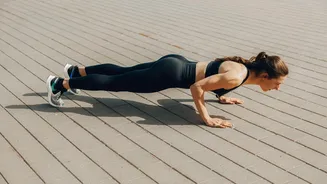
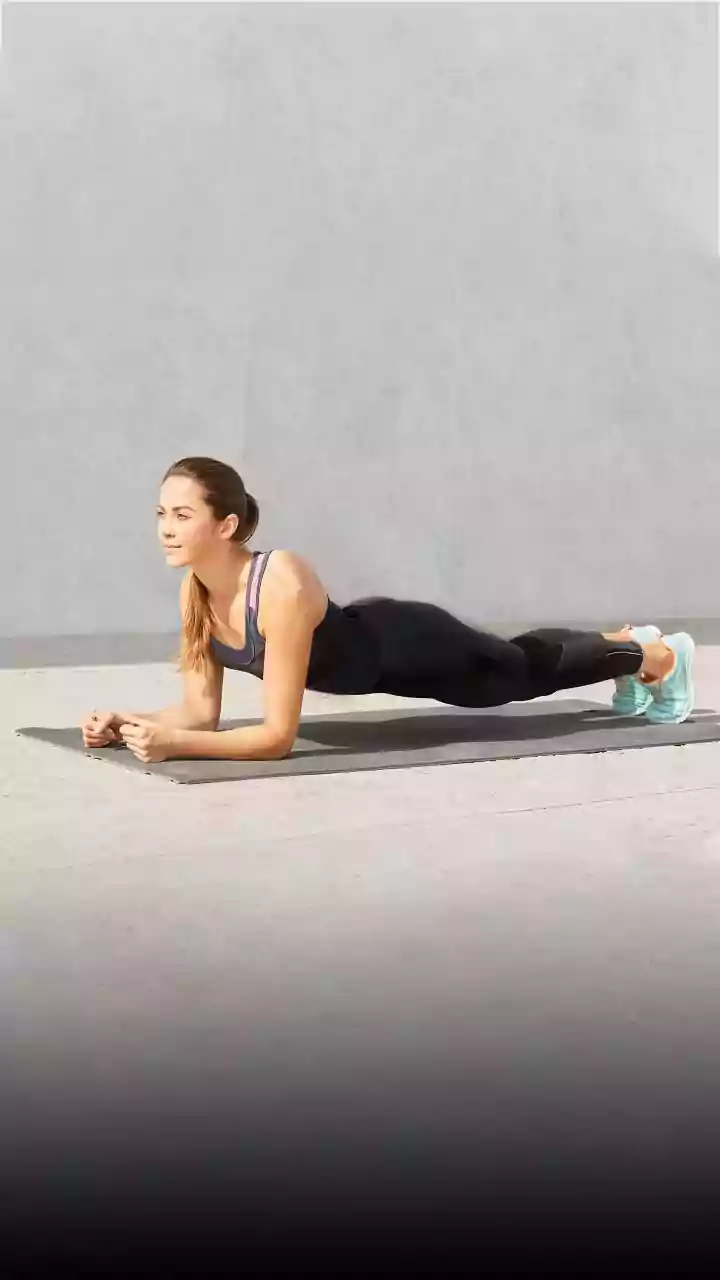
Integrating both walking and Pilates is simple. Start by scheduling your workouts for the week. You might do a 30-minute Pilates session in the morning and a 30-minute walk in the evening. Or, you could dedicate specific days to each activity. On 'Pilates days,' focus on core exercises like The Hundred, Roll-Ups, or Planks to build strength. On 'walking days,' focus on maintaining a brisk pace to keep your heart rate up. As you get fitter, you can increase the duration of your walks or incorporate inclines. For Pilates, you can move on to more advanced exercises or increase the number of repetitions. This combination ensures you're ticking the boxes for both cardiovascular health and muscular strength, leading to more comprehensive and sustainable results.