


What Exactly is Tai Chi?
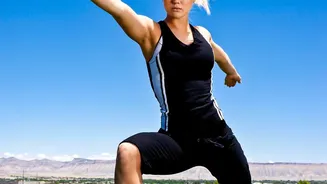
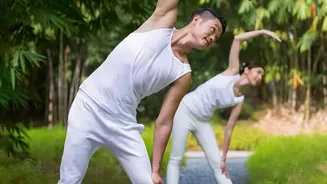
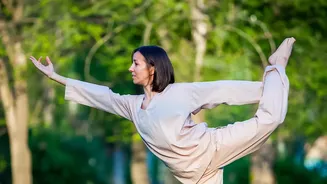
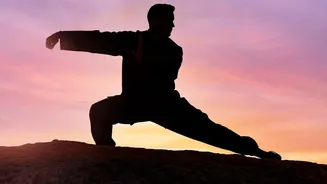
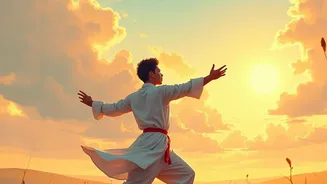
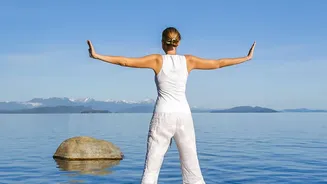
Originally developed as a martial art in China, Tai Chi is now practised worldwide as a health-promoting, low-impact exercise. It's often described as 'meditation in motion' because it combines slow, flowing, and deliberate movements with deep breathing
and mental focus. Unlike high-intensity workouts, Tai Chi emphasizes control, softness, and perfect posture. The practice involves a series of continuous movements, shifting weight smoothly from one foot to the other while maintaining a strong core and relaxed body. This focus on quality of movement over speed is what makes it a uniquely powerful tool for athletes.
The Foundation: Balance and Stability
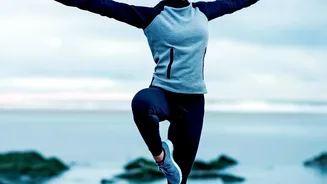
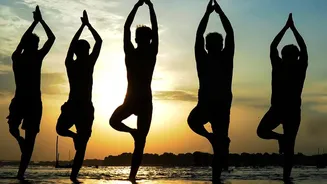
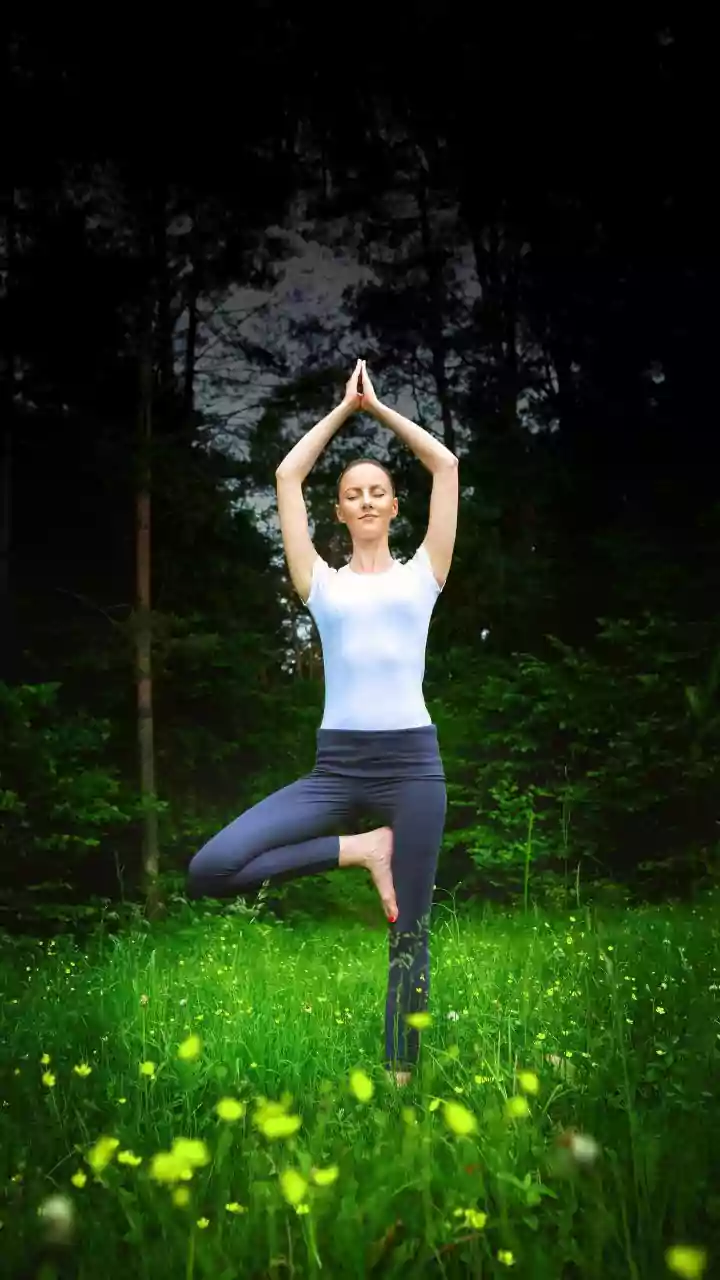
At its core, skating is an exercise in balance. Whether you're dropping into a ramp, landing a trick, or simply gliding, your ability to control your center of gravity is paramount. This is where Tai Chi provides a direct and tangible benefit. The practice is renowned for improving balance and proprioception—your body's awareness of its position in space. Studies have shown that the slow weight shifts and single-leg stances inherent in Tai Chi strengthen the neuromuscular pathways that help you stay steady on your feet, reducing the risk of falls. For a skater, this translates to better board or skate control, more confidence in your movements, and a stronger foundation for every push, turn, and landing.
Building Strength Without the Strain
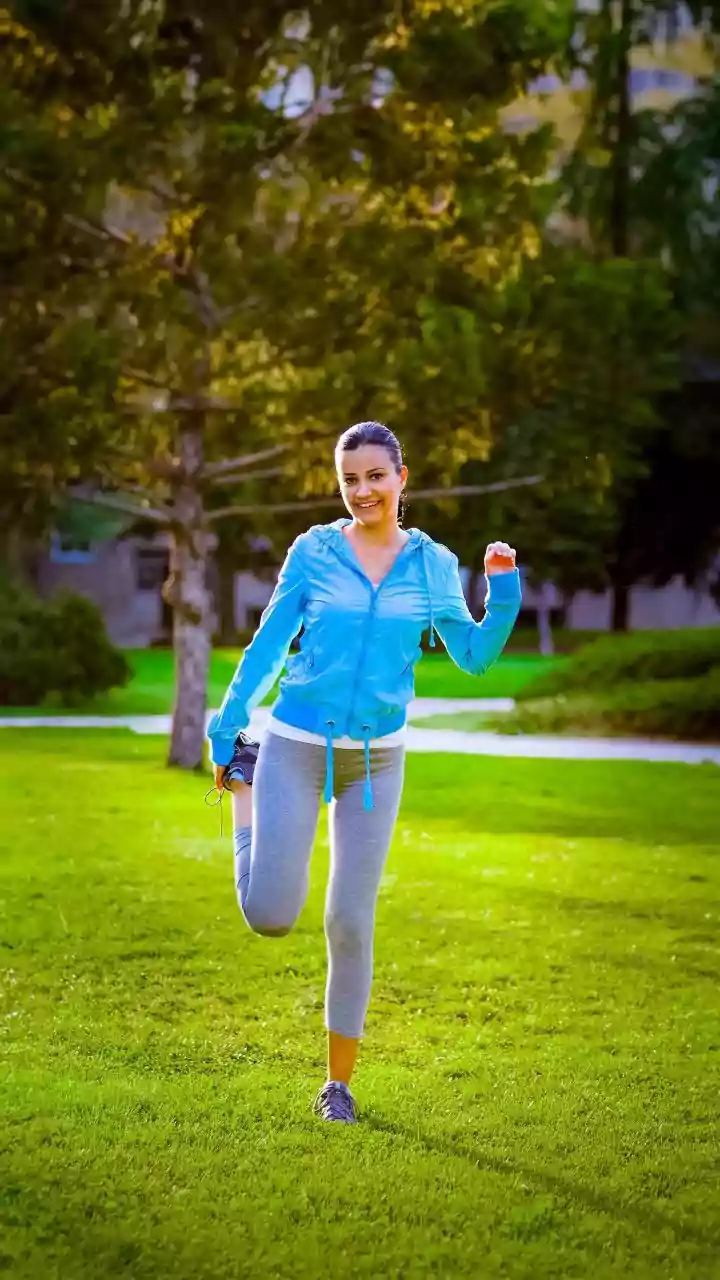
Skating demands powerful legs and a rock-solid core. Tai Chi helps build this functional strength in a way that complements high-impact activity. While you aren't lifting heavy weights, the practice of holding postures and moving slowly builds significant strength in the lower body and core muscles of the back and abdomen. This type of resistance training improves muscle endurance without the joint-pounding stress of other workouts. For skaters, this means developing the power needed for explosive moves while simultaneously conditioning the body against injury and reducing muscle tension.
The Mental Game: Focus and Flow
A missed landing or a moment of hesitation can be the difference between a great session and a painful fall. The mental aspect of skating is just as important as the physical, and Tai Chi hones this focus. The practice calms the mind and reduces the stress and anxiety that can accompany performance pressure. By forcing you to slow down and connect your breath to your movement, Tai Chi cultivates a state of alert calm. This improved mind-body connection allows for quicker, more intuitive reactions—a skill that is invaluable whether you're navigating a crowded skate park or preparing to attempt a new trick.
An Ally in Injury Prevention and Recovery
Every skater knows that injuries are part of the landscape. Cross-training is essential for building a resilient body, and Tai Chi is an excellent tool for both prehabilitation and rehabilitation. Its low-impact nature makes it a safe way to maintain fitness and mobility while recovering from minor injuries. More importantly, by improving balance, coordination, and body awareness, regular practice can help prevent the falls that cause injuries in the first place. It teaches you to move more efficiently and with less tension, protecting your joints and allowing you to skate longer and safer.