







The Hidden Problem of Water in Fuel
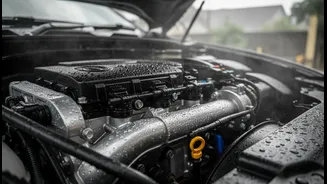
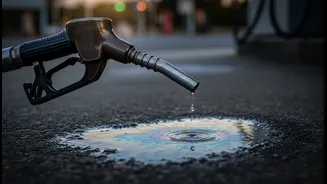
At its core, the issue is simple: water and fuel don't mix. When water enters a vehicle's fuel system, it can lead to a host of problems. Because water is denser than petrol, it settles at the bottom of the fuel tank—which is exactly where the fuel pump
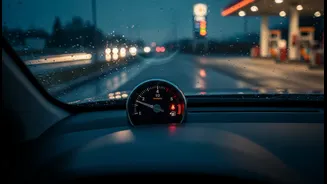
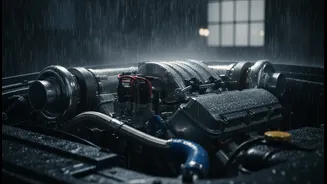
draws from. Instead of combustible fuel, the engine receives slugs of water, causing sputtering, rough idling, hesitation during acceleration, and in severe cases, a complete stall. Over the long term, this unwanted moisture can corrode critical fuel system components like injectors and the tank itself, leading to expensive repairs and reduced engine life. Drivers may notice a sudden drop in mileage or even see white steam coming from the exhaust, both tell-tale signs of water contamination.
Why the Monsoon Magnifies the Risk
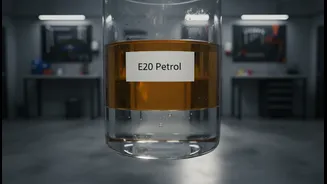
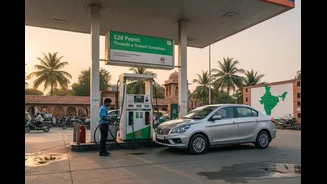
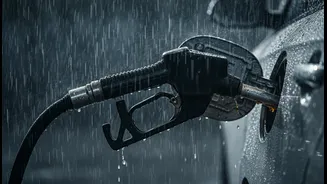
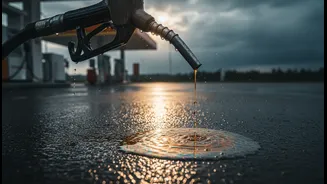
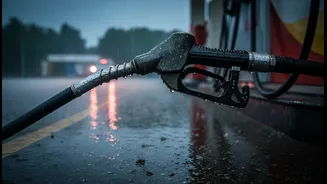
The monsoon season dramatically increases the chances of water contamination. Torrential rain and waterlogging can overwhelm the defences of underground storage tanks (USTs) at petrol stations. Water can seep in through worn-out or faulty seals on filler caps, loose gaskets, or cracks in the tank infrastructure itself. These large tanks are not perfectly sealed systems; they are designed to breathe as temperature fluctuations cause the fuel inside to expand and contract, which can also draw in humid air and cause condensation. This issue has gained fresh attention with the nationwide rollout of E20 petrol (a blend of 20% ethanol and 80% petrol). Ethanol is hygroscopic, meaning it has a natural affinity for water. Some petrol pump owners claim that the existing infrastructure, designed for conventional petrol, is not always adequate for higher ethanol blends, especially during the monsoon. If enough water enters a tank, the ethanol can bond with it, causing a phenomenon called 'phase separation' where a water-ethanol mixture sinks to the bottom, leaving a layer of lower-quality petrol on top. As pumps draw from the bottom, a vehicle could inadvertently be filled with this unusable mixture.
Infrastructure and Responsibility Under Scrutiny
This raises questions about the readiness and maintenance of petrol pump infrastructure. Many underground tanks and pipelines are made of mild steel and were installed long before E20 became the standard fuel. Concerns exist that prolonged exposure to ethanol and water could accelerate corrosion. While oil marketing companies (OMCs) have reportedly replaced some seals and washers with ethanol-compatible neoprene rubber, the integrity of the entire underground system is now under a microscope. Regulations from bodies like the Petroleum and Explosives Safety Organisation (PESO) govern the design, installation, and maintenance of these tanks. However, recent viral videos and consumer complaints, including a notable case in Raipur where a consumer court ordered a car replacement due to damage blamed on contaminated fuel, have intensified the debate. These incidents highlight a complex blame game between vehicle manufacturers, oil companies, and petrol pump dealers.
Checks, Balances, and What You Can Do
In response to growing concerns, OMCs like Indian Oil have stated they have a zero-tolerance policy on contamination and have conducted thousands of surprise inspections and quality tests, reporting no major issues. Petrol pump dealers are instructed to regularly check for water in their tanks using a special water-finding paste on a dipstick, with checks increasing to as often as every two hours during the monsoon. If water is detected, the OMC is notified to drain it. However, dealers have expressed concerns about bearing the financial loss of discarded contaminated fuel. For consumers, vigilance is key. It's advisable to choose reputable, high-turnover fuel stations, as their stock is replenished more frequently. If your vehicle starts sputtering or stalling immediately after a fill-up, especially during or after heavy rain, it could be a sign of water contamination and warrants a check-up from a trusted mechanic.