


A Glimpse into an Ancient Ocean
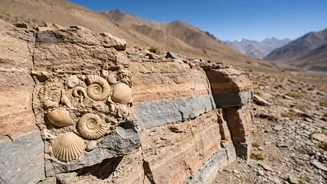
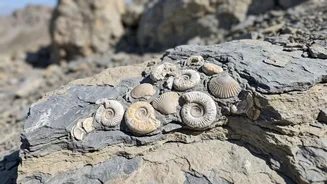
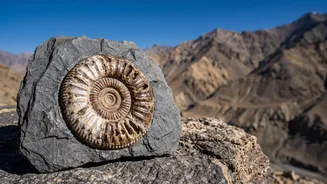
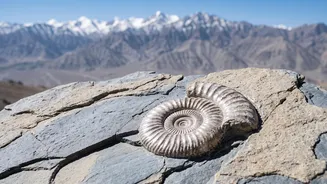
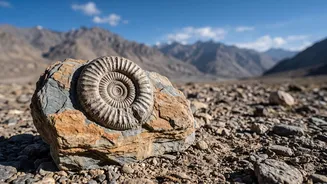
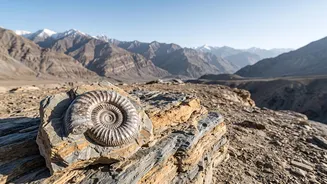
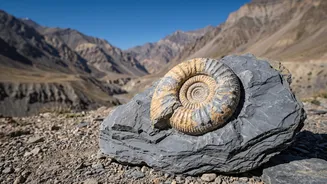
In the remote Changthang region of Nyoma, Ladakh, geologist Dr. Ritesh Arya has unearthed a remarkable collection of marine fossils. The discovery consists mainly of snail-like gastropods, bivalves, and oyster-like forms, all dating back an estimated
34 to 38 million years to the Eocene epoch. Finding marine life in the Himalayas isn't entirely new; it's long been established that the mountain range was formed from the floor of the ancient Tethys Sea. However, the specific nature and location of this find are what make it scientifically thrilling. Dr. Arya, founder of the Tethys Fossil Museum, noted the immediate similarity of these fossils to those commonly found hundreds of kilometres away.
The Detail That Could Rewrite History
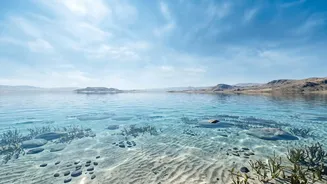
The crucial detail is that these fossils look strikingly similar to those from the Subathu Formation, a well-documented fossil site in Himachal Pradesh. This resemblance has led to a fascinating hypothesis: that the Eocene-era sea associated with the Subathu system extended much farther east into Ladakh than geologists had previously recognised. If confirmed, this would significantly alter the paleogeographic map of the ancient Indian subcontinent. It suggests a different, more extensive marine presence just before the final, colossal collision of the Indian and Eurasian tectonic plates that gave birth to the Himalayas. The discovery points to a past where Ladakh was not a high-altitude desert but a warm, near-coastal environment, a picture supported by other local finds of fossilised palms and wood.
The Established Story of the Himalayas
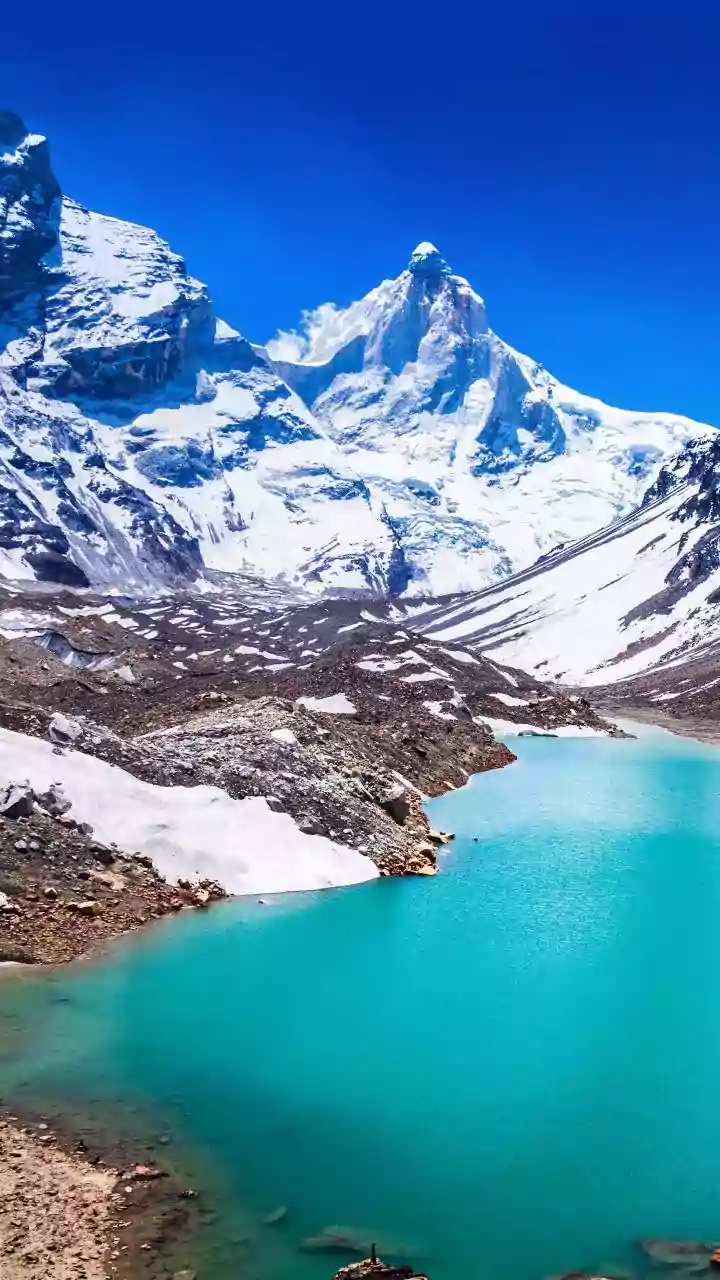
For decades, the accepted geological narrative is that the Himalayas were formed when the Indian plate, drifting northwards, crashed into the Eurasian plate around 50 million years ago. This monumental collision squeezed and uplifted the seabed of the Tethys Ocean, the vast body of water that once separated the two landmasses. Over millions of years, this process created the towering peaks we see today. Marine fossils found high in the mountains are the quintessential proof of this oceanic origin. The current understanding has mapped the extent and timing of the Tethys Sea's retreat as the landmasses converged. Dr. Arya's discovery could add a critical new chapter to this story, suggesting the sea lingered in pockets like eastern Ladakh longer or in a different configuration than previously believed.
The All-Important Need for Confirmation
This is where the headline's crucial caveat, "Confirmation Still Needed," comes into play, embodying the very essence of the scientific method. The initial link to the Subathu formation is a preliminary assessment based on visible similarities. Science, however, demands more rigorous proof. The fossils are now undergoing a detailed process of verification. Scientists will perform taxonomic analysis to precisely identify the species. They will also conduct stratigraphic analysis to determine their exact position within the rock layers, which is critical for accurate dating and establishing a definitive link to other geological formations. This careful, methodical work is necessary to move the discovery from an exciting possibility to a confirmed scientific fact.
What Happens Next in the Scientific Process
The next steps involve peer review and further analysis by the broader scientific community. Dr. Arya's findings, though praised by eminent palaeontologists like his former supervisor Prof. Ashok Sahni, will be published in scientific journals where other experts can scrutinise the evidence. This process of corroboration might involve geochemical tests on the fossils and the surrounding rock to better understand the environment in which they were deposited. Further expeditions may be launched to see if more evidence can be found in the region to support the eastward extension of the Subathu sea. This period of uncertainty and debate is not a weakness but a strength of science, ensuring that our understanding of Earth's history is built on the most robust evidence possible.