




The Dawn of the Great Indian Road Trip
For decades, the great Indian holiday followed a familiar script: pick a destination—Goa, Shimla, or perhaps a city down south—and stay put for a week. But that model is rapidly evolving. Today’s traveller is increasingly trading the comfort of a single-stop
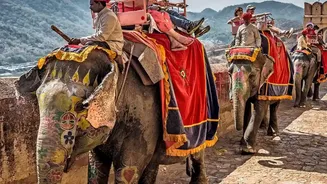
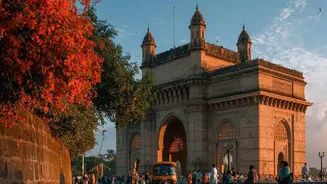
itinerary for the adventure of a connected circuit. This involves linking multiple destinations—be it heritage sites, wildlife sanctuaries, or pilgrimage centres—into a single, seamless trip. Instead of just visiting Jaipur, travellers are now exploring a corridor that includes Delhi, Agra, and Ranthambore in one sweep. It’s a fundamental shift from being a tourist in one place to becoming an explorer of a region.
What's Fuelling this New Itinerary?
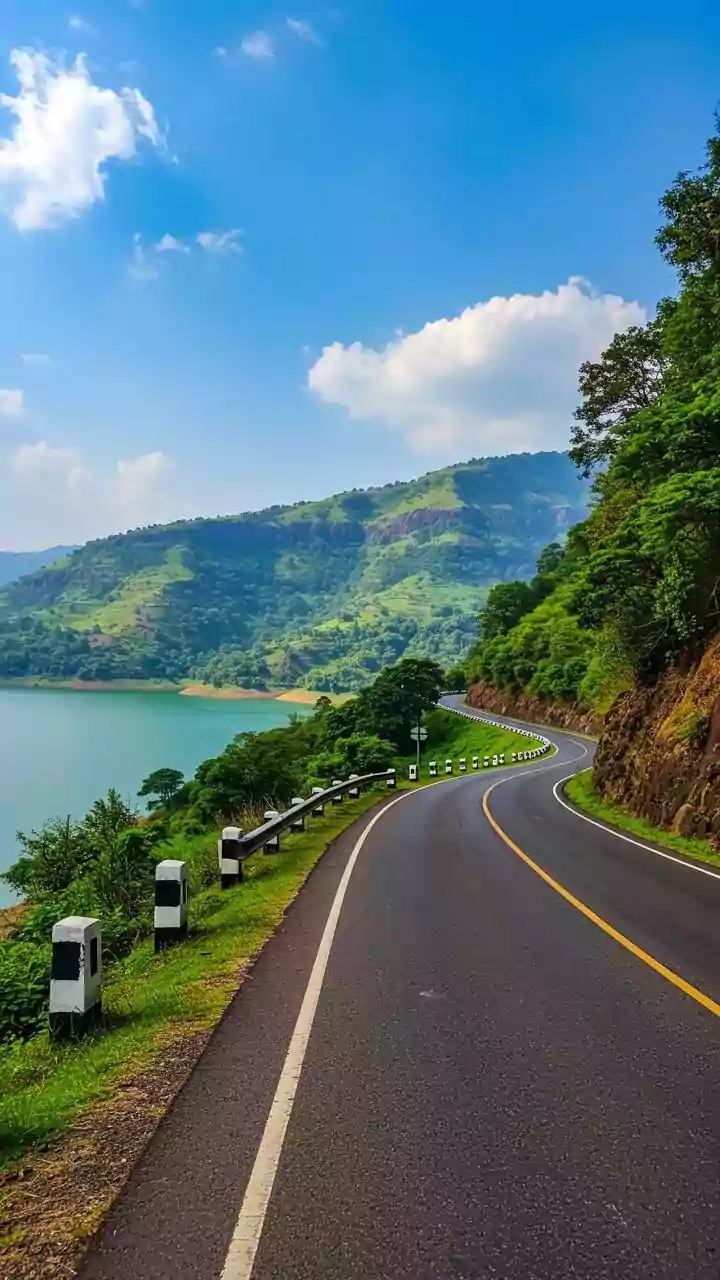
Several factors are driving this change, but none are more significant than India's massive infrastructure overhaul. A growing network of expressways is now functioning as tourism corridors, drastically cutting travel time and making road trips more appealing. The Delhi-Mumbai Expressway, for instance, now connects destinations like Jaipur and Sariska, while the Samruddhi Mahamarg links Shirdi with the Ajanta and Ellora caves. Beyond roads, enhanced rail connectivity, including dedicated tourism circuits and high-speed rail along pilgrimage routes, is making it easier to hop between cities. This improved connectivity is complemented by a post-pandemic mindset that values experiences over mere sightseeing. Travellers, especially younger generations like Gen Z, are seeking more immersive and culturally rich journeys. They are also willing to spend more and travel for longer, with the average trip length having increased since 2022.
Popular Circuits Gaining Traction
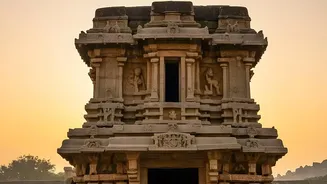
While classic routes like the Golden Triangle remain popular, new and exciting circuits are emerging across the country. Spiritual tourism, which accounts for a huge share of domestic travel, is a major driver. Circuits linking pilgrimage sites like Ujjain, Omkareshwar, and Maheshwar, or the Krishna circuit of Mathura, Vrindavan, and Dwarka, are being actively packaged by tour operators. In the west, the Samruddhi Mahamarg has created a natural corridor connecting Shirdi, Nashik, Trimbakeshwar, and the Ajanta-Ellora caves. The Bundelkhand Expressway has similarly brought Khajuraho, Orchha, and Chitrakoot onto a single, accessible route. In the Northeast, improved access is opening up new leisure and cultural circuits that were previously constrained by long travel times, with Mizoram seeing a rapid rise in visitors.
From Tourist to Conscious Explorer
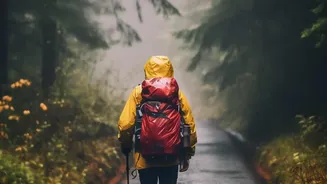
This trend isn't just about covering more ground; it reflects a deeper change in the Indian traveller's psyche. There is a growing desire for personal growth, wellness, and authentic cultural connections. A recent survey found that 82% of Indian travellers actively seek experiences that help them reset, while 86% say travel helps them recharge mentally and physically. This search for meaning has led to the rise of independent travel, with digital tools and booking platforms making it easier for people to self-curate complex trips without relying on pre-packaged tours. Travellers are more willing to venture beyond hotspots, seeking out lesser-known destinations that offer unique experiences. This shift marks the evolution of the Indian vacationer from a passive sightseer into an active, conscious explorer charting their own course.