

Delhi is set to embrace its river like never before with the launch of the 'Namo Yamuna River Safari'. This new cruise service promises a fresh perspective on the capital, but what does the planned four-to-five-kilometre stretch actually involve?
The Core Idea: A New Tourism Corridor
The Yamuna
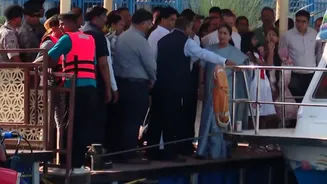
cruise is an ambitious initiative designed to boost river-based tourism and recreational activities in Delhi. Trial runs for the service, officially named the 'Namo Yamuna River Safari', began in late October 2026. The project is a collaborative effort between the Inland Waterways Authority of India (IWAI) and several Delhi government agencies, including the tourism department, the Delhi Development Authority (DDA), and the Irrigation and Flood Control department. The primary goal is to create a new, family-friendly destination where residents and tourists can experience the river, enjoy picnics, and see the city from a different vantage point. The government aims for a formal launch before the Chhath Puja festival in mid-November 2026.
The Route: Sonia Vihar to Jagatpur Explained
The headline's 'four-to-five-kilometre stretch' refers to the specific route planned for the initial phase of the cruise. The service will operate between Sonia Vihar and Jagatpur in northeast Delhi, upstream of the Wazirabad barrage where the water is comparatively cleaner. Reports vary slightly on the exact length, with some mentioning a 5 km route and others a 6-7 km round trip. A full round trip on this stretch is expected to last approximately 40 minutes. This section of the Yamuna is part of what is designated as National Waterway 110, which officially stretches from Delhi to Prayagraj. Jetties with facilities like ticket counters and waiting areas are being established at points like Sonia Vihar to support the service.
The Onboard Experience and Vessels
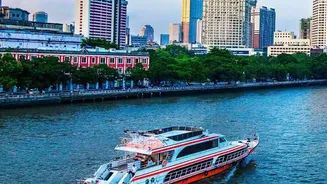
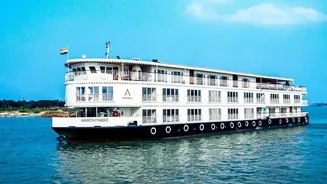
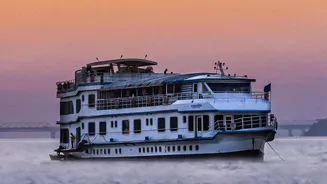
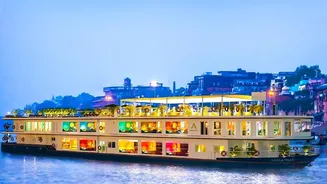
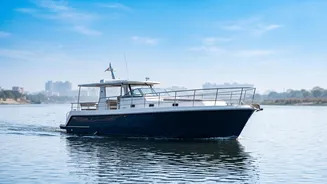
The cruise will use state-of-the art vessels designed for stability and eco friendly operation. The boat inspected during trial runs is a 40 foot catamaran style vessel with a stable hull suitable for shallow river stretches. These boats are described as electric solar hybrids, aligning with the project's sustainability goals. Each air conditioned boat can accommodate up to 30 passengers and will be equipped with essential safety features like life jackets and a public announcement system. To protect the river's ecosystem, the vessels will also feature inboard bio toilets, ensuring zero discharge of waste into the water. The expected ticket price for the 40 minute journey is around ₹500 per person, with bookings likely to be available online via the Delhi Tourism website.
A Multi Agency Collaborative Project
Launching a cruise on the Yamuna is a complex task that required an agreement signed in March 2025 between multiple agencies. The IWAI is leading the development of infrastructure like floating jetties and navigational aids. The DDA is providing the land for shore side facilities, while the Delhi Jal Board is responsible for monitoring water quality to ensure navigability. The Delhi Tourism and Transportation Development Corporation (DTTDC) will oversee the boat operations and promotion. This multi pronged approach ensures that all aspects, from water depth and cleanliness to passenger safety and last mile connectivity, are managed cohesively. The project, which has faced some delays since its initial proposed launch in February 2026, has an estimated cost of ₹20 crore.
More Than Just a Boat Ride
The Yamuna cruise is envisioned as the centerpiece of a larger riverfront development plan. Officials have stated that the area around the cruise route is being developed into a complete recreational hub. Future plans include the addition of a food park, a dedicated kids zone, and facilities for water sports. A musical fountain that tells the story of the Yamuna River is also part of the blueprint for the riverfront. This initiative runs parallel to a broader plan to redevelop the entire 52 km stretch of the Yamuna in Delhi, inspired by the Sabarmati Riverfront model in Ahmedabad. The ultimate vision is to create accessible public spaces with parks, walking paths, and cycle tracks, fundamentally changing how Delhi interacts with its historic river.