





A Green Wave in Urban India
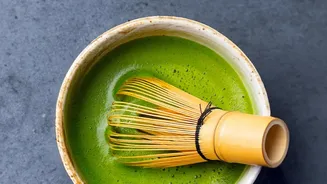
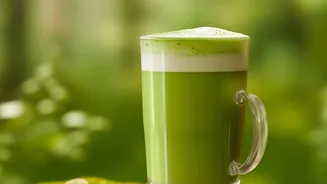
Walk into a cafe in any major Indian city, and you're likely to find a matcha latte on the menu, sitting right alongside the cappuccino and masala chai. This isn't a fleeting trend; it's a full-blown movement. The Indian matcha market is projected to grow
significantly, with some estimates suggesting it could reach nearly USD 790 million by 2031. This surge is driven by a new generation of consumers focused on wellness, who are drawn to matcha's antioxidant properties and its reputation as a source of 'clean caffeine'. Social media has acted as a powerful engine, with the photogenic green drink becoming a star on Instagram feeds, cementing its status as a stylish and healthy choice for urban millennials and Gen Z.
Why Matcha is Not Just Green Tea
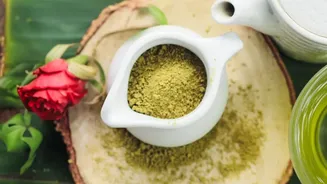
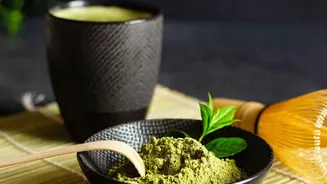
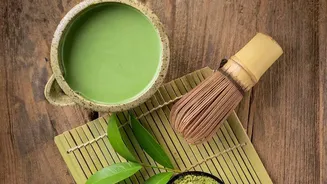
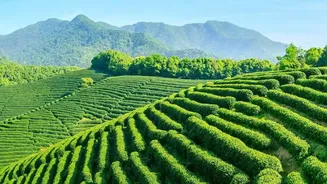
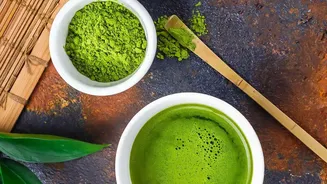
To understand the supply crunch, it's crucial to know that matcha isn't just powdered green tea. Its production is a painstaking, labour-intensive art form perfected over centuries in Japan. Unlike regular green tea, the tea plants (Camellia sinensis) destined for matcha are shade-grown for about three to four weeks before harvest. This forces the plant to produce more chlorophyll, giving the leaves their iconic vibrant green colour and boosting their amino acid content, which creates the signature umami flavour. After harvesting, the leaves are steamed to halt oxidation, and their stems and veins are meticulously removed. Finally, the remaining leaf matter, called tencha, is stone-ground into a fine powder—a process so slow that a traditional stone mill might only produce about 30 grams an hour.
The Japanese Bottleneck
Currently, India's matcha craze is almost entirely fuelled by imports, primarily from Japan. However, Japan is facing its own supply crisis. Global demand has exploded, with exports more than doubling over the past decade. This has put immense pressure on Japanese tea farms, which are often small, family-run operations that cannot easily scale up production. The industry also faces structural issues like an aging workforce and a shortage of successors to take over the farms. As a result, even established Japanese brands are struggling to meet orders, leading to global shortages and price hikes. For India, this means competing in a crowded global market for a scarce, premium product, with import duties of up to 100% further inflating the cost.
Can India Grow Its Own?
The obvious solution seems to be domestic cultivation, but it's not that simple. While India has world-renowned tea-growing regions like Darjeeling and Assam, growing high-quality matcha presents unique challenges. It requires not only a suitable climate but also specific tea varietals, like Yabukita, which have been bred for matcha production in Japan for centuries. Despite these hurdles, pioneering efforts are underway. In a landmark move, the Chota Tingrai Tea Estate in Assam produced and auctioned India's first commercial batch of homegrown matcha in July 2026. This 'Matcha Assamica', made from a native Indian tea cultivar, marks a significant step. However, these initiatives are still in their early stages and scaling up to meet national demand while matching Japanese quality will take significant time and investment.
The Cost for Cafes and Consumers
The mismatch between roaring demand and a strained supply chain inevitably trickles down to the consumer. Cafe owners across India have seen the price of their primary raw material rise. A standard matcha latte in a major city can now cost anywhere from ₹200 to over ₹450. The reliance on Japanese imports, coupled with the global price surge, means these costs are largely dictated by auctions in Kyoto, not local market conditions. For consumers, this means their favourite green beverage is becoming a more expensive indulgence. The high price also creates a market for low-quality or fake matcha, often just simple green tea powder, which can disappoint first-time drinkers and damage the product's premium reputation.