
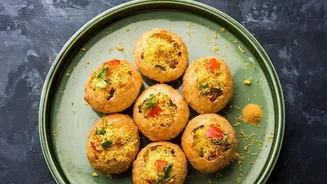
1. Dum Aloo: The Art of 'Dum'
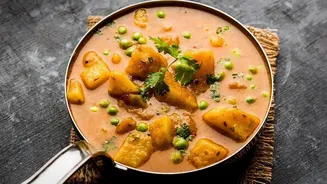
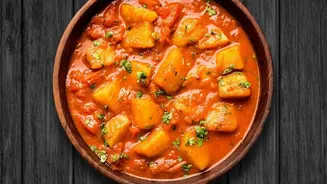
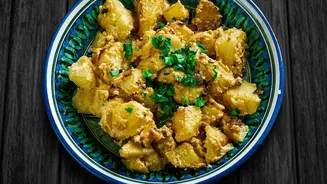
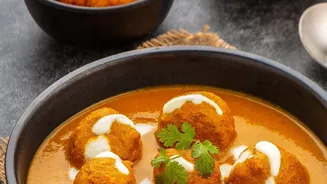
The magic of a good Dum Aloo lies not in the potatoes themselves, but in the cooking method that gives the dish its name: 'dum'. This ancient technique involves slow-cooking the curry in a sealed pot, allowing the steam to build pressure and infuse the potatoes with
flavour. The key is to first fry the baby potatoes until they form a light, golden skin. This outer layer prevents them from turning mushy and helps them absorb the rich, spiced yoghurt or tomato-based gravy. Once the potatoes are added to the gravy, the pot is sealed tightly—traditionally with dough, but a tight lid works too—and cooked on a very low flame. This process ensures every potato becomes tender and saturated with the aromatic spices, creating a dish that is deeply flavourful and rich in texture.
2. Aloo Paratha: The No-Tear Stuffing Secret
Every home cook knows the frustration of an Aloo Paratha that tears while rolling. The secret to a perfect, evenly stuffed paratha is all about texture and temperature. First, ensure your boiled potatoes are not overcooked or waterlogged. Many experts suggest grating the boiled and cooled potatoes instead of mashing them to avoid a pasty, sticky consistency. The filling should be relatively dry and completely cool before you begin stuffing. When it comes to rolling, the technique is key. Instead of applying heavy pressure, use gentle, even strokes and rotate the paratha frequently. A popular beginner-friendly method involves rolling two separate small rotis, placing the filling on one, covering it with the other, and sealing the edges before rolling the 'sandwich' out. This prevents the filling from bursting through the dough.
3. Batata Vada: The Science of a Crispy Coat
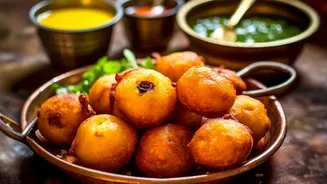
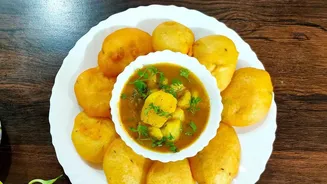
A soggy, oil-soaked Batata Vada is a disappointment. The perfect vada has a light, crispy shell that shatters on the first bite, and achieving this is a matter of science. The batter's consistency is crucial; it should be thick enough to coat the back of a spoon but not heavy or lumpy. Adding a tablespoon of hot oil or a teaspoon of rice flour to the besan (gram flour) batter is a common trick to make the coating extra crispy. Equally important is the oil temperature, which should be between 175-180°C. If the oil is too cool, the batter absorbs it and becomes greasy. Finally, don't overcrowd the pan. Frying only 3-4 vadas at a time keeps the oil temperature stable, ensuring a perfect, golden-brown crunch every time. For an ultimate crunch, some street vendors double-fry them: once until lightly cooked, then a second time in hotter oil just before serving.
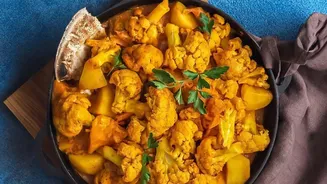
4. Aloo Gobi: Avoiding the Mush
The challenge with Aloo Gobi is that cauliflower cooks much faster than potatoes, often resulting in a mushy sabzi. To prevent this, technique is more important than the recipe itself. The best approach is to give the potatoes a head start. Start by frying the potato cubes in hot oil until they develop a light golden-brown crust. This step seals the outside of the aloo, preventing it from breaking down later. Once the potatoes are partially cooked, you can add the cauliflower florets. Another key is to avoid covering the pan for long periods or adding too much water, as the trapped steam will make the cauliflower soggy. Cook on a medium-high flame, stirring gently and infrequently. This allows both vegetables to cook through while retaining their distinct texture, resulting in a dry, flavourful stir-fry instead of a wet curry.
5. Aloo Chaat: The Double-Fry Crunch
The hallmark of authentic Delhi-style Aloo Chaat is the incredible crispiness of the potatoes. This isn't achieved with a single fry. The street-side secret is often a double-fry method. Potatoes are first fried on medium heat until they are cooked through and lightly golden. They are then removed from the oil and allowed to cool slightly. Just before serving, they are plunged back into hotter oil for a second, shorter fry. This process drives out any remaining moisture and creates an unbelievably crispy, crunchy exterior that stays firm even after being tossed in chutneys and spices. When making it at home, shallow frying in ghee can also add a distinct, rich flavour. The key is to toss the hot, crispy potatoes with the spices and chutneys immediately after they come out of the pan, allowing them to absorb all the tangy, spicy flavours while still at their peak crispness.