




Meet the International Crew
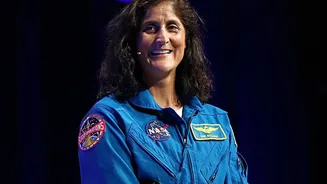
A mission is only as strong as its crew, and Crew-13 brings together a diverse and highly skilled team from across the globe. Leading the mission is NASA astronaut Jessica Watkins, serving as spacecraft commander on her second spaceflight. She is joined
by NASA pilot and rookie astronaut Luke Delaney. Rounding out the four-person crew are two mission specialists, also on their first spaceflights: Joshua Kutryk of the Canadian Space Agency and Sergey Teteryatnikov from the Russian space agency Roscosmos. This international composition is typical for ISS missions, reflecting the station's role as a global scientific platform. The astronauts undergo a strict pre-flight quarantine to ensure they don't bring any illnesses to the station. Their selection represents years of training and dedication, preparing them for the rigours of life and work in orbit.
The Ride to Orbit
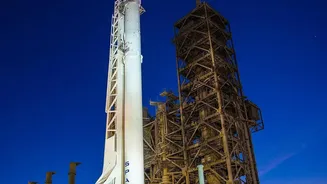
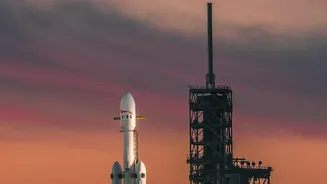
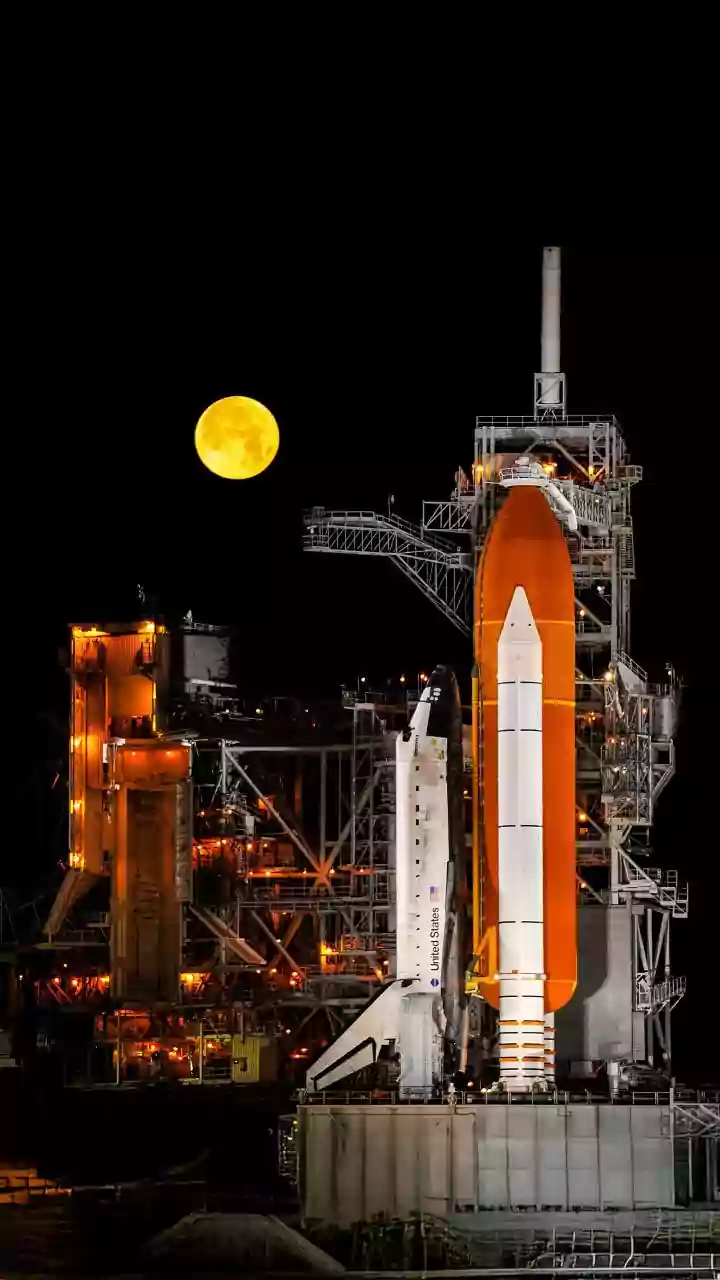
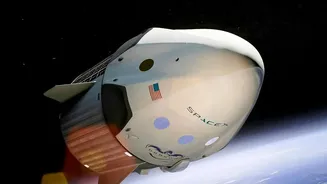
The crew's journey begins at Cape Canaveral Space Force Station in Florida, where a SpaceX Falcon 9 rocket stands ready. Atop this rocket sits the Crew Dragon spacecraft, the vehicle that will be their home for the trip to orbit. Following a successful Launch Readiness Review, mission managers gave the 'go' for launch. The countdown is a meticulously managed process, culminating in a liftoff that pushes the astronauts into their seats with immense force. The Falcon 9's first stage booster, having done its job, will separate and return to Earth for a vertical landing, a key feature of its reusable design. The Dragon spacecraft then detaches and begins its solo flight, commencing a series of precisely calculated engine burns to start its chase of the International Space Station.
Chasing the Space Station
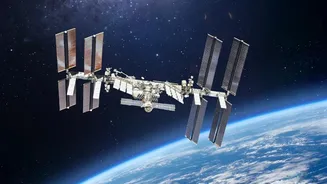
Reaching the ISS isn't as simple as pointing the spacecraft and accelerating. The station orbits Earth at over 28,000 kilometres per hour, and the Crew Dragon must perform a series of orbital manoeuvres to catch up to it. This celestial ballet can take anywhere from a few hours to over a day, depending on the orbital mechanics of the launch window. For the Crew-13 mission, an expedited journey of just under eight hours is planned, which would make it one of the fastest trips to the ISS by a U.S. spacecraft. Throughout this phase, the Dragon spacecraft operates autonomously, but the crew, especially Commander Watkins and Pilot Delaney, are fully trained to take manual control if needed. Mission control centres at both NASA and SpaceX monitor every moment of the flight, ensuring the vehicle remains on the correct trajectory.
A Laboratory in the Sky
Upon arrival, the crew will dock with the Harmony module of the ISS, an automated process that marks the end of their journey and the start of their mission. After the hatch is opened, they will be welcomed by the station's existing Expedition 75 crew. Crew-13 will spend approximately six months aboard the orbiting laboratory. Their work will be a mix of station maintenance, technology demonstrations, and a wide array of scientific experiments that are only possible in a microgravity environment. Many studies focus on the effects of long-duration spaceflight on the human body, with research into muscle atrophy and bone loss providing direct benefits for treating diseases on Earth. The crew will also contribute to research aimed at improving medical diagnostics, developing new medicines, and even testing ways to grow crops in space to support future deep-space missions.