









The Unseen Engine of Digital India
India is in the midst of an unprecedented digital transformation. From the rapid adoption of 5G and AI to data localisation policies requiring data to be stored within the country, the demand for digital infrastructure has exploded. This has triggered
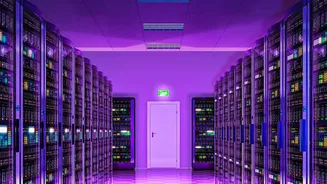
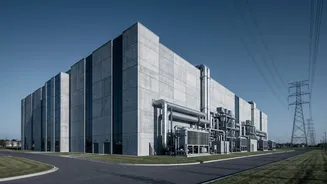
a massive boom in data centre construction. India's data centre capacity has quadrupled since 2020, with projections suggesting it could grow from around 1.5 gigawatts (GW) to over 10 GW by 2030. Major hubs like Mumbai, Chennai, and Hyderabad are seeing huge investments, as global and domestic players race to build the facilities that will store, process, and move the country's data. This expansion is essential for India’s economic goals, powering everything from e-commerce to the burgeoning AI startup ecosystem.
A Growing Thirst for Power
This digital growth comes at a significant environmental cost. Data centres are incredibly power-intensive, operating 24/7 and requiring vast amounts of electricity not just for computing, but also for cooling. The Indian government estimates that the power demand from data centres could surge to around 17 GW by 2031-32. To put that in perspective, this is more than the current power consumption of some entire states. The rise of energy-hungry AI workloads is set to accelerate this demand even further. This places immense pressure on India's power grid, which is already grappling with rising demand from industrial growth and a growing population. The core challenge is no longer just about building data centres, but about finding enough reliable power to run them.
The Green Imperative Takes Hold
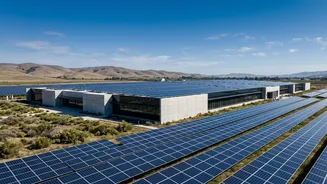
The conversation around this enormous energy consumption has shifted. It's no longer just an operational cost but a critical issue of sustainability. Several factors are driving this change. Firstly, India has an ambitious national target of achieving net-zero emissions by 2070, making the carbon footprint of a rapidly growing industry a key concern. Secondly, global clients, particularly large tech companies like Google, Amazon, and Meta, have their own corporate sustainability goals and are demanding that their data be hosted in green facilities. These companies are now major buyers of renewable energy in India, signing large-scale power purchase agreements (PPAs) to ensure their data centres run on clean electricity. Finally, investors are increasingly looking at environmental, social, and governance (ESG) criteria, making sustainable operations a prerequisite for funding.
Obstacles on the Path to Sustainability
Transitioning to 100% green power is easier said than done. The primary challenge is the intermittent nature of renewable sources like solar and wind. Data centres require an uninterrupted, 99.999% reliable power supply, something that solar (which stops at sundown) and wind cannot guarantee alone. While battery storage solutions exist, they are not yet advanced enough to provide round-the-clock support at the scale required. Furthermore, the upfront capital investment for building green infrastructure, from onsite solar panels to advanced cooling systems, is substantial. Operators also face regulatory hurdles and the complexities of securing reliable green energy through open access mechanisms, where they buy power directly from producers. These issues are forcing a difficult balancing act between growth, reliability, and sustainability.
The Search for Efficient Solutions
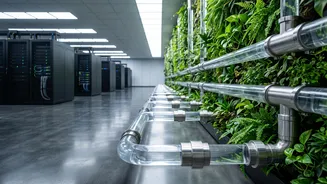
In response, the industry and government are pushing for greater efficiency. The Bureau of Indian Standards (BIS) has introduced voluntary standards for measuring a data centre's performance, including Power Usage Effectiveness (PUE) and Water Usage Effectiveness (WUE). PUE measures how much energy is used for cooling and other overheads compared to the energy used for computing itself; a lower PUE signifies a more efficient facility. Some states, like Karnataka, are now offering financial incentives for data centres that achieve very low PUE ratios. Operators are also exploring innovative cooling technologies, such as direct-to-chip and liquid cooling, which are more efficient than traditional air-based systems, though they come with higher costs. The goal is to reduce the energy and water consumed per unit of computing, lessening the overall environmental impact even as the industry grows.