









The Post-Pandemic Edtech Correction
The pandemic-era lockdowns triggered a gold rush in education technology. With schools closed, venture capitalists poured billions into platforms promising to virtualise the classroom. Global edtech funding soared, peaking at nearly $21 billion in 2021.
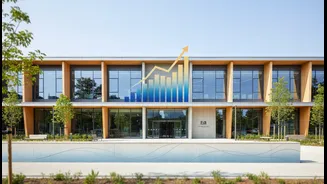
But the euphoria was short-lived. As students returned to physical classrooms, the limitations of purely online models became clear. Many well-funded startups struggled with high customer acquisition costs, relentless cash burn, and questions about their real impact on learning outcomes. By 2025, investment levels had plummeted, marking a stark correction from the heady days of the boom. Investors grew wary of the hype, shifting their focus from speculative growth stories to businesses with proven, sustainable fundamentals.
The Resilient Appeal of Brick-and-Mortar
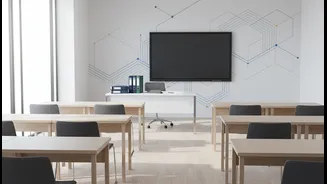
In this new, more cautious environment, traditional K-12 school chains are experiencing a renaissance. Private equity firms, in particular, are rediscovering the appeal of this asset class after a long hiatus. The reasoning is simple: schools are a remarkably resilient business. They offer predictable, recurring revenue streams, as a single admission can lead to over a decade of fees. This revenue is also diversified, coming from tuition, transport, meals, uniforms, and extracurriculars. Unlike cyclical sectors, demand for quality education is inelastic; parents are often willing to prioritise school fees even in economic downturns. This makes physical schools a stable, cash-flow-positive investment with limited risk from disruptions like AI.
The Indian Market Heats Up
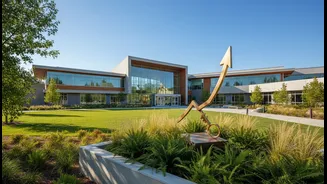
This global trend is particularly visible in India, where private equity firms are actively investing in K-12 school chains. Investors see an opportunity for consolidation and professionalization in a fragmented market. As aspirational parents seek out high-quality private education, demand for well-managed school brands continues to outpace supply. This is especially true for premium schools catering to higher-income households, which have benefited from the post-pandemic economic recovery. Gurgaon has emerged as a hotspot, with numerous schools now backed by private equity capital from major firms like KKR and ChrysCapital, who are funding expansion and modernisation.
Not an End, But a New Beginning: The 'Phygital' Future
However, this shift doesn’t signal the death of edtech. Instead, it marks the beginning of a more mature, integrated approach. The future of education isn't a choice between digital and physical, but a thoughtful blend of both—a model often called 'phygital'. Smart money is now backing companies that use technology to enhance, not replace, the traditional classroom. This 'blended learning' approach leverages digital tools for personalised practice and assessment while preserving the invaluable human connection and social development that happens in a physical school environment. This model makes learning more flexible and engaging, using AI and other tools to support teachers and tailor instruction to individual student needs. The blended learning market is projected to grow significantly, reflecting a consensus that this hybrid model offers the best of both worlds.