

Fresh off the success of its NVS-03 navigation satellite launch, which bolstered India's indigenous GPS-like system, ISRO is not resting on its laurels. The space agency is gearing up for one of its busiest and most ambitious periods yet.
Strengthening India's Own GPS
The successful
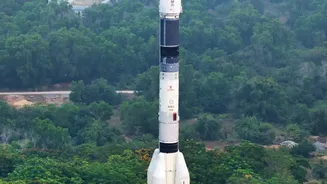
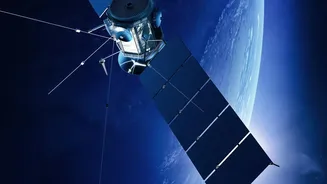
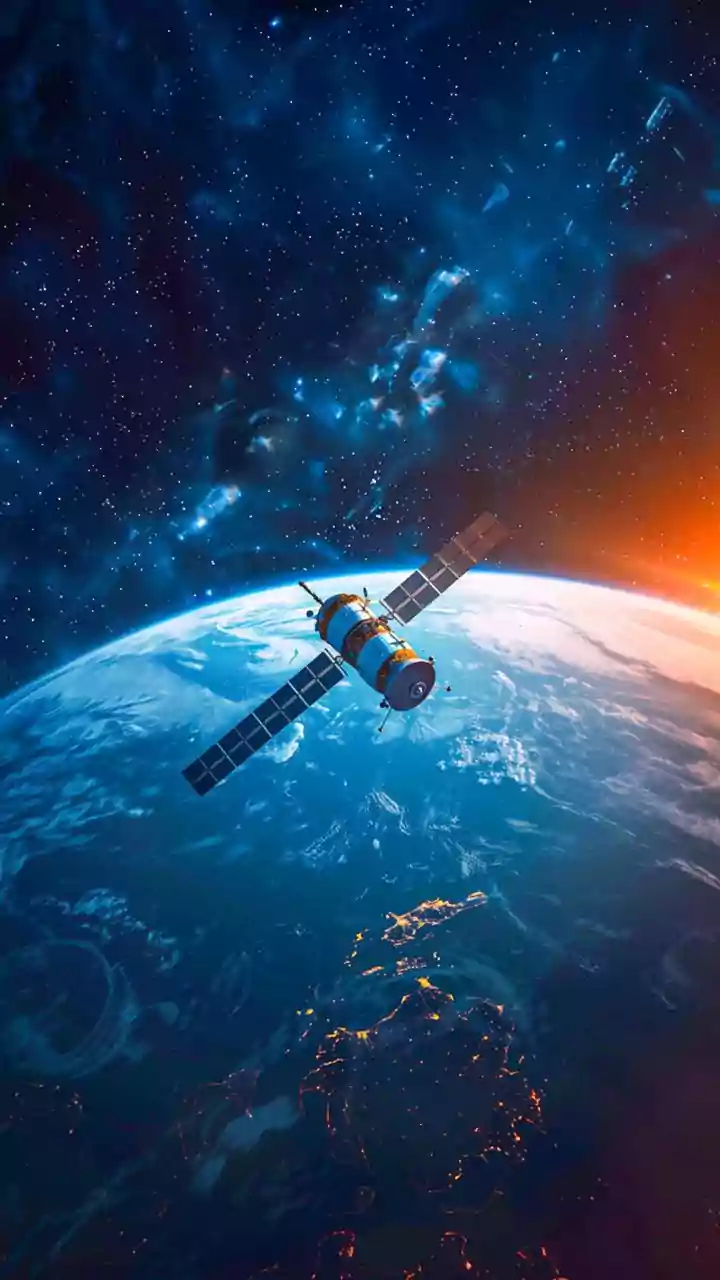
launch of NVS-03 in late October 2026 was a critical step in reinforcing the Navigation with Indian Constellation (NavIC) system. NavIC is India's autonomous regional satellite navigation network, designed to provide accurate positioning and timing services without reliance on foreign systems like the American GPS. Before the NVS-03 launch, the constellation was down to just three operational satellites, one short of the minimum required for basic positioning. With NVS-03 now in orbit, ISRO has restored this fundamental capability. The agency plans to launch two more satellites in the series, NVS-04 and NVS-05, in 2027 to ensure the constellation is robust, has adequate redundancy, and provides uninterrupted services for both civilian and strategic users.
The Human Frontier: Gaganyaan
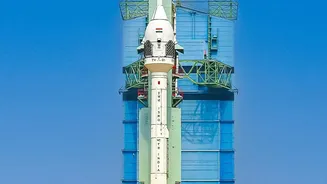
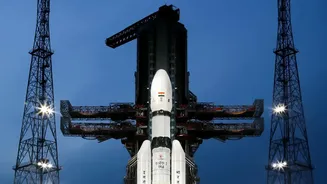
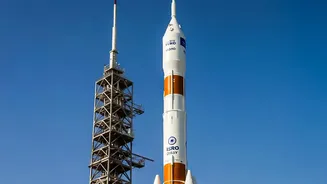
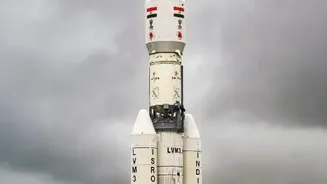
The most anticipated mission on ISRO's docket is Gaganyaan, India's quest to send astronauts into space. The first major step is the uncrewed G1 mission, targeted for launch by the end of 2026. This flight will serve as a crucial test for the human-rated LVM3 rocket, the orbital module, and all life support and safety systems before any astronaut, or 'Gaganyatri', is on board. ISRO has completed thousands of tests to prepare for this moment. The government has outlined a comprehensive program that includes multiple uncrewed test flights to validate every system, with the first crewed mission targeted for 2027, assuming all precursor missions are successful. The four astronaut-designates have completed generic training and are now undergoing mission-specific preparation in Bengaluru.
Science, Commerce, and Collaboration
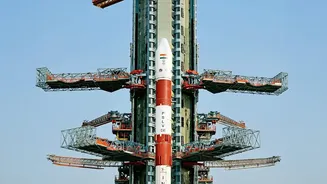
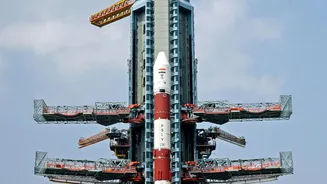
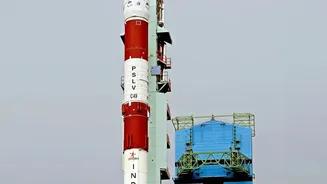
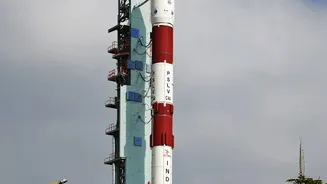
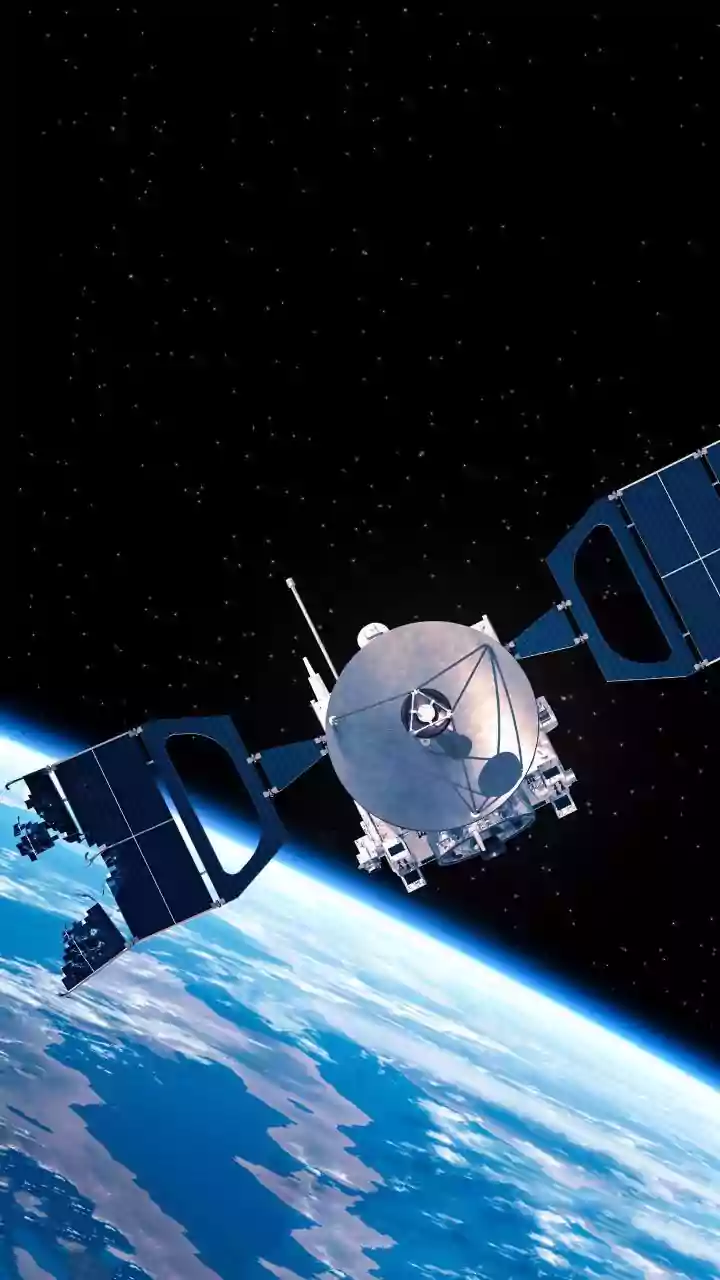
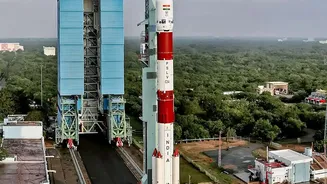
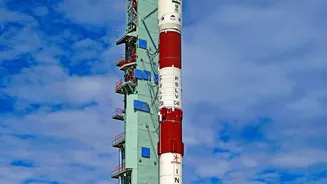
Beyond human spaceflight, ISRO has a packed schedule of scientific and commercial launches. The agency is planning at least five more launches before the end of the current financial year, a manifest that includes missions using its workhorse Polar Satellite Launch Vehicle (PSLV) and the Small Satellite Launch Vehicle (SSLV). One of the landmark scientific missions already in orbit following a successful 2025 launch is the NASA-ISRO Synthetic Aperture Radar (NISAR). This joint mission is the world's most expensive Earth-imaging satellite and uses dual-frequency radar to monitor changes in Earth's surface with unprecedented detail, aiding in climate studies and disaster management. These missions highlight a dual focus: pursuing cutting-edge science while also expanding commercial launch services for global clients.
Building the Rocket of the Future
Looking further ahead, ISRO is actively developing its Next Generation Launch Vehicle (NGLV), internally codenamed 'Soorya'. This powerful, threendstage rocket is designed to be partially reusable, a move aimed at drastically reducing launch costs. With a target payload capacity of up to 30 tonnes to Low Earth Orbit, the NGLV will be able to launch heavy communication satellites, components for the planned Bharatiya Antariksh Station (Indian Space Station), and execute deep space missions. The government approved the project in 2024, allocating significant funds for its development over the next eight years. The NGLV represents a major leap in capability and is central to India's longterm ambitions, including a crewed lunar landing by 2040.