

Karnataka’s Flavourful Khara Bath
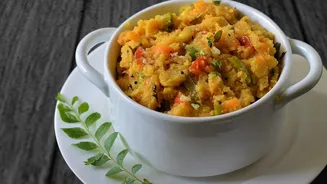
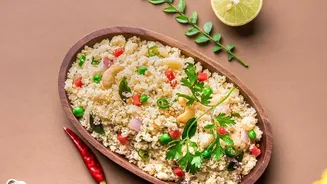
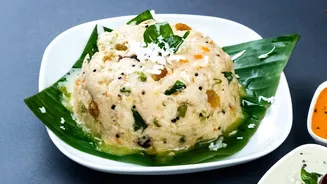
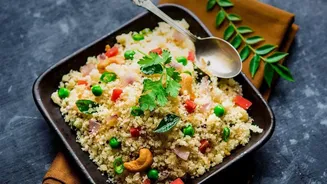
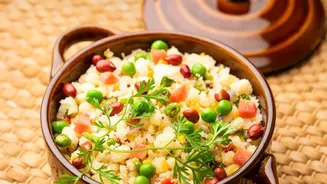
Travel to Karnataka and the humble upma transforms into Khara Bath, a spicier and more aromatic version often found in bustling Darshinis. What sets it apart is the use of a special masala powder, often a family recipe, and a generous amount of vegetables
like carrots, beans, and tomatoes. It has a softer, slightly mushier consistency than standard upma, and is frequently served alongside a sweet semolina dish called Kesari Bath, a combination famously known as 'Chow Chow Bath'. To try this at home, start by roasting your rava (semolina) until fragrant. In a separate pan, temper mustard seeds, urad dal, and curry leaves. Sauté onions, ginger, and green chillies before adding finely chopped vegetables. Add water, salt, and a pinch of turmeric. A key step is to add a spoonful of sambar powder or vangi bath powder for that signature flavour. Once the water boils, slowly add the roasted rava while stirring continuously to avoid lumps. Finish with a dollop of ghee and fresh coriander.
Tamil Nadu’s Hearty Arisi Upma
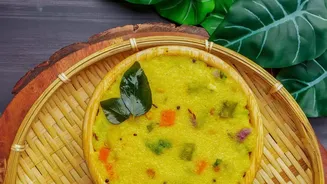
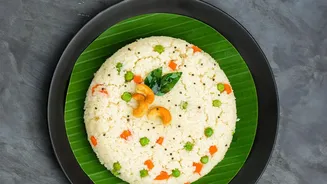
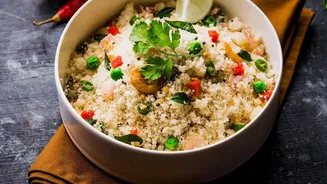
In Tamil Nadu, semolina often takes a backseat to rice. Arisi Upma, or broken rice upma, is a traditional and rustic dish with a wonderfully coarse texture. It's a staple in many Tamil Brahmin households and is prized for its wholesome simplicity. The base is made from coarsely ground raw rice and toor dal, sometimes with whole peppercorns added to the mix for a pungent kick. This rice-dal mixture is then cooked in boiling water that has been tempered with mustard seeds, urad dal, red chillies, and asafoetida. Traditionally cooked in a bronze pot called a 'vengala paanai' to achieve a coveted crispy layer at the bottom, it can easily be made in a modern pressure cooker. For an authentic taste, use coconut or sesame oil for tempering and serve it with a sharp tamarind-based curry like vathakuzhambu or a simple coconut chutney.
Maharashtra’s Unique Sabudana Khichdi
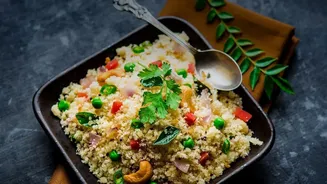
While not a traditional upma, Sabudana Khichdi shares its soul as a savoury breakfast staple, especially popular in Maharashtra. It's a common food for fasting days ('vrat') but is enjoyed year-round for its unique chewy texture and nutty flavour. The star ingredient is sabudana (sago or tapioca pearls), which needs to be soaked perfectly to achieve a fluffy, non-sticky result. The magic of this dish lies in its simplicity: soaked sabudana is tossed with boiled and cubed potatoes, coarsely ground roasted peanuts, green chillies, and cumin seeds. The peanuts provide a delightful crunch and nutty taste that balances the soft pearls. A little ghee, a pinch of sugar to balance the flavours, and a final squeeze of lemon juice make it truly irresistible. The key is to ensure the sabudana is soaked for just the right amount of time—too much water makes it gloopy, too little leaves it hard.
Andhra’s Creative Pesarattu Upma
Andhra Pradesh offers a brilliant two-in-one breakfast innovation: Pesarattu Upma. This dish consists of a crispy dosa made from whole green moong dal batter (the Pesarattu) that is filled with a serving of classic rava upma. It's a protein-packed and incredibly filling meal that is a beloved specialty in the region. First, a standard savoury upma is prepared. Separately, a thin, crepe-like pesarattu is cooked on a griddle. While it's still on the heat, a generous spoonful of the prepared upma is spread across its center. The dosa is then folded over the filling and served hot, often with a side of spicy ginger chutney. The combination of the earthy, crisp dal crepe with the soft, savoury semolina inside is a textural and flavourful delight that showcases true culinary creativity.