



Why Ragi Deserves the Hype
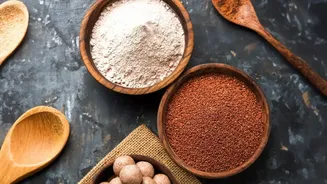
Before we dive into the technique, let's appreciate the star ingredient. Ragi, or finger millet, is a nutritional powerhouse that has been a staple in Indian households for centuries. It's packed with calcium, iron, and dietary fibre. Its complex carbohydrates
provide sustained energy release, making it an excellent breakfast choice to keep you full and focused through the morning. While its health credentials are impressive, its flavour is equally noteworthy—a pleasant, earthy taste that pairs beautifully with both sweet and savoury toppings. The challenge isn't the ingredient itself, but understanding how to work with its unique properties.
The Common Pancake Pitfall
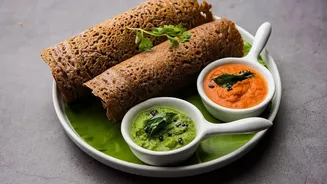
If you've ever made ragi dosas or pancakes that turned out brittle or hard, you're not alone. The culprit is the nature of the flour itself. Ragi flour is naturally gluten-free and very high in fibre. This means it lacks the protein structure that gives wheat-based pancakes their classic chewiness and ability to hold moisture. Instead, ragi flour eagerly soaks up liquid, which can lead to a dry, crumbly texture if the batter isn't balanced correctly. Many recipes fail to account for this thirstiness, resulting in pancakes that harden as they cool, especially around the edges.
Building a Better Batter
The foundation of a soft pancake is a well-hydrated and balanced batter. To counteract ragi's tendency to dry out, don't rely on it alone. A good rule of thumb is to use a mix of flours. Combining ragi with whole wheat flour (atta) or oat flour in a 1:1 or 2:1 ratio adds just enough gluten and softness to transform the texture. Next, focus on moisture. Instead of just water, use buttermilk or plain yogurt to make the batter. The acidity in these ingredients reacts with a pinch of baking soda to create air pockets, resulting in a lighter, fluffier pancake. A mashed banana or a spoonful of apple puree can also add natural sweetness and moisture. Finally, after mixing, let your batter rest for at least 15-20 minutes. This crucial step allows the ragi flour to fully absorb the liquid, ensuring a smoother consistency and preventing a gritty mouthfeel.
Mastering the Pan and Flame
How you cook the pancake is just as important as the batter. High heat is the enemy of soft pancakes; it cooks the outside too quickly, leaving the inside underdone and the edges crisp. Opt for a low to medium flame and be patient. Grease your pan with a bit of ghee or oil. Once you've poured the batter, cover the pan with a lid. This simple action traps steam, which gently cooks the pancake from all sides and, most importantly, keeps the edges wonderfully soft. Cook for a couple of minutes until you see bubbles forming on the surface, then flip and cook for another minute on the other side. Avoid pressing down on the pancake with your spatula, as this will compress it and undo all your hard work of creating a fluffy texture.
The Golden Rule: Serve Immediately
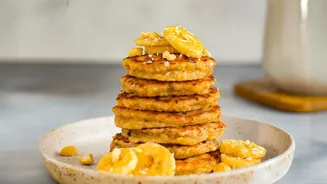
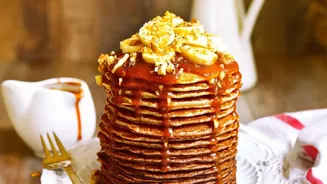
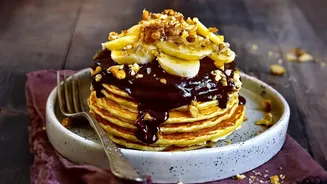
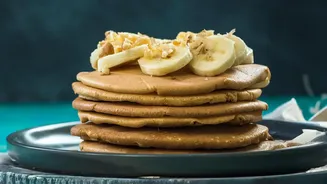
The headline says it all: ragi pancakes are at their absolute peak the moment they leave the pan. Unlike their maida-based counterparts, they lose their delicate softness as they sit and cool. Plan to serve them immediately to your waiting family or guests. This ensures they are enjoyed exactly as intended—warm, pillowy, and tender from the center to the very edge. Drizzle them with jaggery syrup or honey to complement the earthy notes of the ragi. A topping of fresh fruits like bananas or berries, along with a sprinkle of nuts, adds texture and freshness. For a less sweet option, a simple dollop of yogurt or a side of savoury chutney works just as well. The key is to have your toppings ready to go so you can serve the pancakes fresh off the griddle.