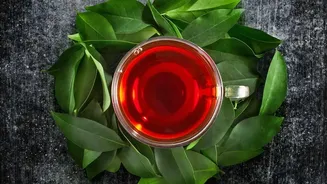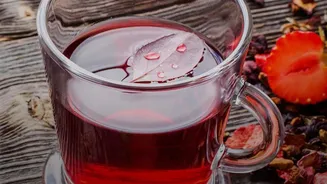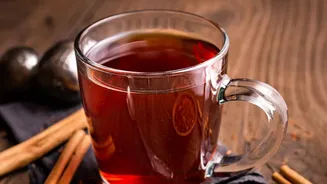





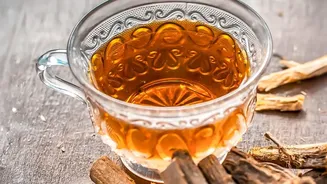

What Exactly is Rooibos Tea?
Unlike green or black tea, which come from the Camellia sinensis plant, Rooibos is a herbal tea made from the needle-like leaves of a shrub called Aspalathus linearis. For centuries, it has been a traditional beverage in South Africa, but its popularity
has now spread globally. The leaves are typically fermented, which gives the tea its signature reddish-brown colour and enhances its flavour. It is naturally caffeine-free, making it a suitable choice for any time of day and for those sensitive to caffeine.
A Unique Antioxidant Powerhouse
Much of the health interest in rooibos stems from its unique antioxidant profile. It is packed with polyphenols, but two stand out: aspalathin and nothofagin. Aspalathin is particularly noteworthy because, so far, it has not been found in any other plant. These antioxidants help the body combat oxidative stress by neutralising unstable molecules called free radicals. Chronic oxidative stress is a known contributor to various health issues, including inflammation and heart disease.
The Link to Cholesterol
One of the most promising areas of rooibos research is its effect on cholesterol profiles. Several human studies have explored this connection. One notable clinical trial involved 40 adults at risk for cardiovascular disease. Participants who drank six cups of rooibos daily for six weeks saw a significant decrease in their 'bad' LDL cholesterol and an increase in their 'good' HDL cholesterol. Another review of studies confirmed that rooibos consumption has been shown to improve lipid profiles in both healthy and at-risk individuals. By helping to balance cholesterol levels, rooibos may play a supportive role in preventing plaque buildup in the arteries.
Potential Effects on Blood Pressure
High blood pressure is a major risk factor for heart attacks and strokes. Some research suggests rooibos may help by acting as a natural ACE inhibitor. ACE, or angiotensin-converting enzyme, causes blood vessels to constrict, which in turn raises blood pressure. By inhibiting this enzyme, rooibos may help blood vessels relax, promoting better circulation. One study noted that drinking rooibos tea had a beneficial effect on blood pressure just 30 to 60 minutes after consumption.
A Word of Caution and Perspective
While the research is encouraging, it's important to maintain a balanced perspective. Many studies on rooibos are still preliminary or have involved a small number of participants. For instance, a 2023 systematic review concluded that while the benefits for cardiometabolic health are promising, more robust studies are needed to make definitive claims. Furthermore, some studies used concentrated extracts rather than brewed tea, and consumption amounts in trials, such as six cups a day, may be more than what people typically drink. Rooibos tea should be seen as a component of a heart-healthy lifestyle, not a magic cure.