



The Appeal of Going DIY
The movement towards do-it-yourself personal care is rooted in a desire for transparency and control. Many people are looking to reduce their exposure to synthetic chemicals, avoid ingredients they can't pronounce, and use products they believe are better
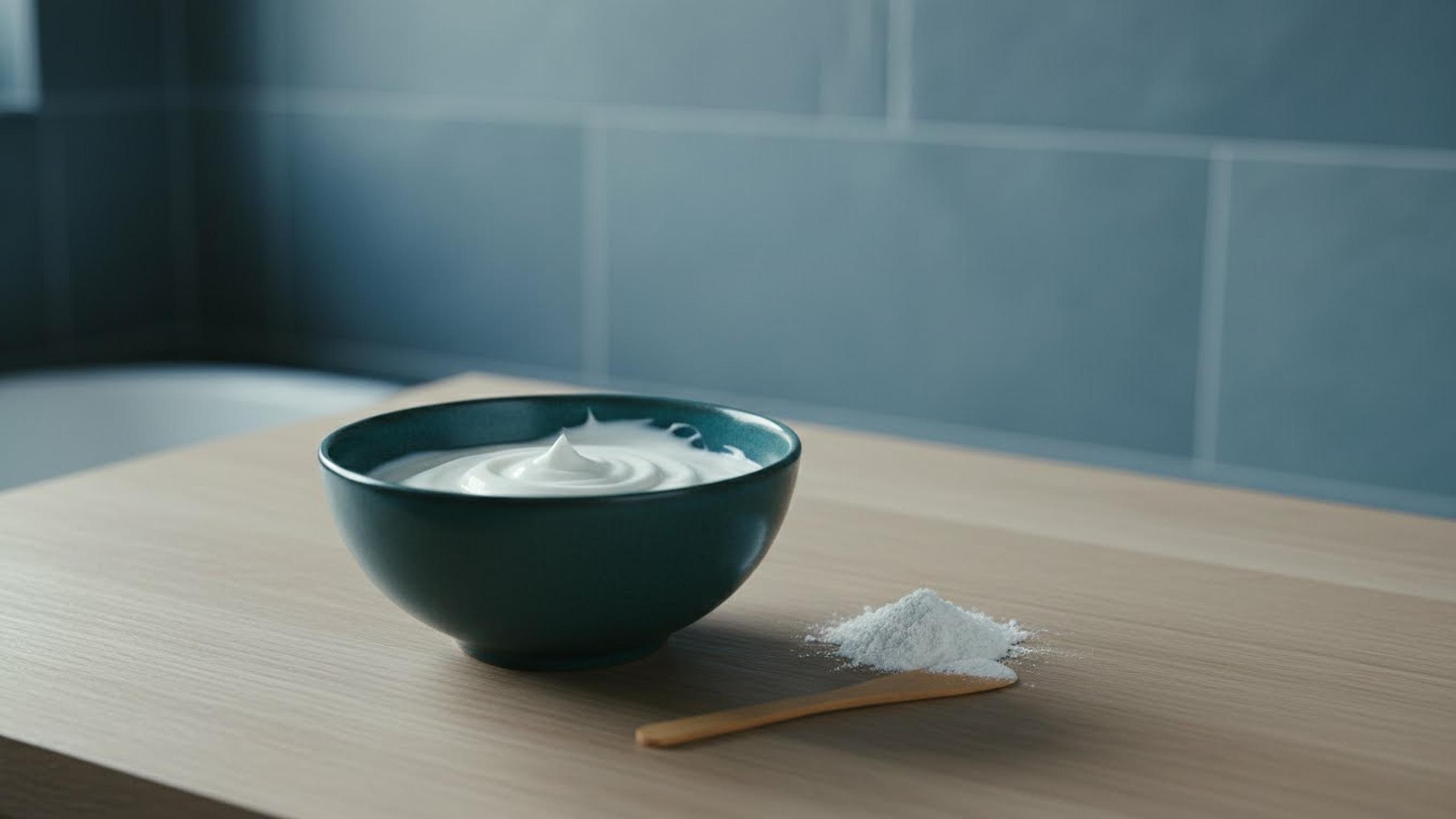
for their families and the environment. Websites and influencers promote recipes that often feature a simple mix of coconut oil, shea butter, and non-nano zinc oxide powder, framing it as a wholesome alternative to store-bought options. Proponents claim it's cheaper, more natural, and free from the hormone-disrupting chemicals found in some commercial sunscreens. This narrative taps into a genuine concern about what we put on our bodies, making the idea of whipping up a batch of sun protection in your own kitchen feel empowering and responsible.
The Problem with Protection
While zinc oxide is a legitimate and effective sun-blocking agent used in many FDA-approved mineral sunscreens, simply mixing the powder into an oil is not enough. The single biggest failure of DIY sunscreen is the inability to guarantee an even dispersion of the active ingredient. In a lab, manufacturers use sophisticated equipment and binding agents to ensure zinc oxide particles are distributed uniformly throughout the product. At home, stirring with a spoon or whisk inevitably leads to clumping. When you apply this uneven mixture, you’re left with microscopic gaps in coverage—some patches of skin might be heavily coated while others are left completely exposed to harmful UV radiation. You are creating a false sense of security, which can be more dangerous than wearing no sunscreen at all.
You Can't Know the SPF
Commercially sold sunscreens undergo rigorous, standardized testing to determine their Sun Protection Factor (SPF). This isn't a theoretical calculation based on the percentage of an active ingredient; it's a clinical measurement of how much UV radiation it takes to cause sunburn on protected skin compared to unprotected skin. A homemade recipe offers no such guarantee. One lab test of a popular DIY recipe containing 25% zinc oxide—a higher concentration than many commercial products—found that it provided an SPF of only 7. Furthermore, DIY sunscreens are not tested for broad-spectrum coverage (protection from both UVA and UVB rays) or water resistance. Without this testing, you have no idea how effective your concoction is or how often you need to reapply, leaving you vulnerable to sunburn, premature aging, and skin cancer.
Hidden Dangers in the Kitchen
The risks of DIY sunscreen aren't limited to ineffective sun protection. The zinc oxide powder itself can pose a hazard during the mixing process. Inhaling fine particulates can cause respiratory irritation and, in high concentrations typical of industrial settings, a condition called metal fume fever, with symptoms like coughing, fever, and chills. While a home kitchen is not an industrial site, working with fine powders without proper ventilation or a respirator is not advisable. Another concern is contamination. Commercial products contain preservatives to prevent the growth of bacteria and mold. A homemade oil-and-butter mixture stored in a jar can easily become a breeding ground for microbes, which you then spread all over your skin.
What Dermatologists Say
The expert consensus is unanimous and clear: do not use homemade sunscreen. The American Academy of Dermatology warns that these products are not proven effective and leave users at high risk. Dermatologists emphasize that the dangers of UV exposure are immediate and proven, while the risks associated with FDA-approved sunscreen ingredients are largely speculative. They compare advising someone to make their own sunscreen to telling them to formulate their own heart medication. Instead of risking it with a DIY project, experts recommend choosing a commercially produced, broad-spectrum sunscreen with an SPF of 30 or higher. For those concerned about chemical ingredients, there are countless effective mineral-based sunscreens on the market that use zinc oxide and titanium dioxide and have passed rigorous safety and efficacy testing.