







The Search for Slower Paces
The post-pandemic travel boom in India has brought with it a new set of priorities. After extended periods of isolation and screen time, travellers are actively seeking escapes that offer genuine relaxation over a packed itinerary. According to reports
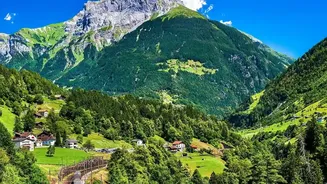
on emerging travel trends, there's a growing appetite for experiences that contribute to well-being. This has translated into a preference for destinations where the agenda is not about rushing from one monument to another, but about unwinding. Hill stations, with their inherent tranquillity and slower rhythm of life, are perfectly positioned to meet this demand. The agenda is simpler: enjoy the cool mountain air, take leisurely walks, and reconnect, away from the noise and pollution of urban centres.
Connection Over Crowds
A key driver for the surge in group travel is the desire for shared experiences and deeper connections. Fast-paced city breaks, with their crowded tourist spots and logistical complexities, can sometimes pull a group apart rather than bring it together. In contrast, nature-based retreats are proving to be powerful facilitators of bonding. The serene, distraction-free environment of a hill station encourages more meaningful interactions. Whether it's gathering around a bonfire, embarking on a group hike, or simply sharing a cup of tea while overlooking a valley, these settings foster a sense of camaraderie that is difficult to replicate in a bustling city. Studies have shown that time in nature can reduce stress and increase feelings of empathy and cooperation, creating the ideal conditions for a group to build lasting memories.
Wellness as a Group Goal
Wellness is no longer a solo pursuit; it has become a central theme for group getaways. Travel is increasingly viewed as a means to rejuvenate mentally and physically, not just to see new sights. Hill stations are natural wellness hubs, offering more than just scenic beauty. The crisp, clean air, the opportunity for physical activities like trekking, and the overall peaceful atmosphere contribute to a holistic sense of well-being. Many resorts and homestays in these areas now cater specifically to this trend, offering group packages that include yoga sessions, guided nature walks, and meditation. This shift aligns with a broader understanding that a holiday should be restorative, leaving travellers feeling more energised than when they arrived.
The New 'Gram-Worthy' Getaway
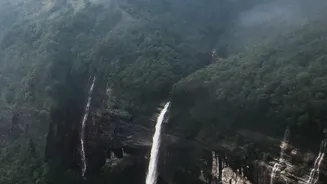
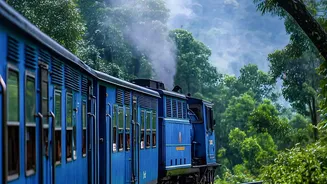
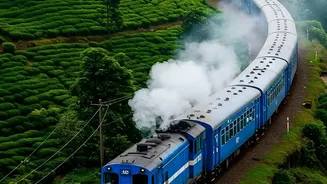
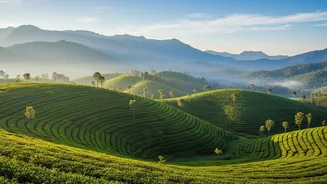
While social media continues to influence travel choices, the definition of an 'Instagrammable' trip is evolving. The focus is slowly shifting from iconic city landmarks to more aesthetic and experiential moments. The visual appeal of a misty mountain morning, a panoramic valley view, or a colourful group photo against a backdrop of lush tea gardens is undeniable. These images tell a story of adventure, tranquillity, and authentic connection, which often resonates more strongly than a standard city selfie. This new visual currency celebrates the experience itself—the journey, the friendship, and the serene beauty of the destination—rather than just a checklist of famous places.
Affordability and Accessibility
Practical considerations also play a significant role. While every trip has its costs, hill station getaways can often offer better value for money, especially for larger groups. Accommodations like homestays, guesthouses, and boutique resorts can be more budget-friendly than hotels in major metropolitan areas. Furthermore, with many popular hill stations being a drivable distance from major cities, groups can save on airfare by opting for road trips, which themselves become part of the collective adventure. This combination of affordability and accessibility makes it easier for groups to plan more frequent, shorter trips, reinforcing the trend of choosing mountains over metros for a quick and refreshing escape.