




Your Brain Snaps to Attention
Forward walking is an automatic process for most people, requiring little to no conscious thought. We can chat, listen to music, or let our minds wander. Backward walking shatters this autopilot mode. Without your usual visual cues, your brain has to work
significantly harder to process where your body is in space, a sense known as proprioception. This increased demand boosts activity in the prefrontal cortex, the part of the brain responsible for problem-solving and decision-making. It forces you to be present and pay close attention to your movement, which can enhance focus, spatial awareness, and even short-term memory.
A New Job for Your Muscles
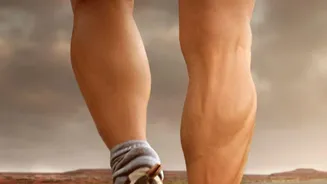
While retro walking uses many of the same muscles as forward walking, it changes their roles and levels of engagement. When you walk forward, your hamstrings and calves do much of the propulsive work. When you move backward, your quadriceps—the large muscles at the front of your thighs—take on a much greater load. This is because they have to control your deceleration with each step. The gait is also different; instead of a heel-to-toe motion, backward walking involves a toe-to-heel landing, which further shifts the workload. This variation is why physical therapists often use it to strengthen the quads and support knee stability.
A Surprising Boost for Balance and Posture
Walking backward changes your center of gravity and challenges your stability in a new way. Since you can't see where you're going, your body's other balance systems—like the vestibular system in your inner ear and signals from your joints—must work harder to compensate. This process strengthens the small, stabilizing muscles around your ankles and core, which can improve your overall balance and reduce the risk of falls, a benefit especially noted for older adults. Furthermore, the motion naturally encourages a more upright posture. Many of us tend to slouch or lean forward, but walking backward forces you to pull your shoulders back and engage your core to stay stable.
Gentler on the Joints, Tougher on Calories
One of the most significant differences is how backward walking affects your joints, particularly your knees. The toe-first landing and increased quad engagement reduce the impact and compressive forces on the kneecap. This can make it a beneficial exercise for individuals with certain types of knee pain or arthritis. Despite being gentler on the joints, it's a more demanding workout. Studies have shown that retro walking can burn significantly more calories than walking forward at a brisk pace. Because your body is moving in an unfamiliar way, your heart rate increases and your muscles have to adapt, leading to a higher energy expenditure.