


A Closer Reading of Jaggery Payasam
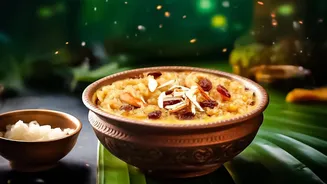
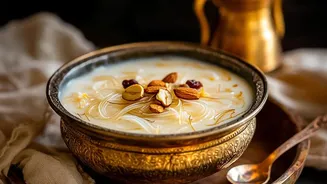
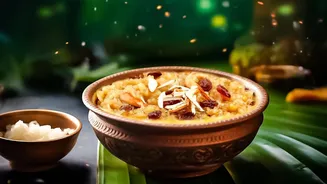
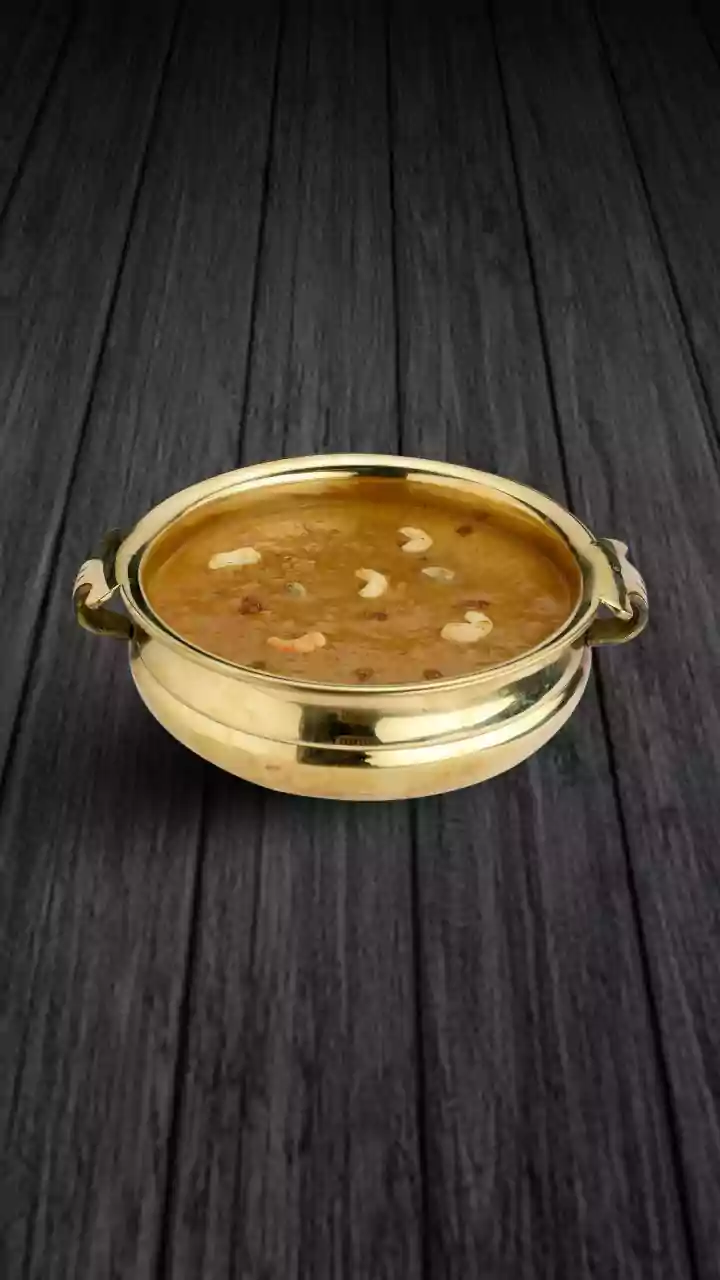
Jaggery Payasam, known as 'sharkara payasam' or 'bellam payasam' in different regions, is a comforting rice pudding with a history stretching back centuries. Unlike its sugar-based cousin, kheer, this version boasts a richer, more complex flavour. The
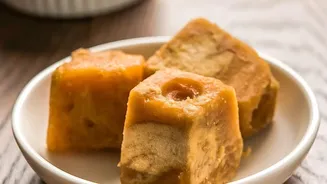
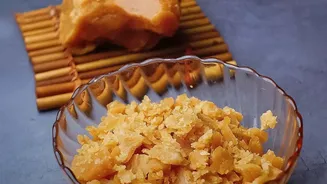
key ingredients are simple: short-grain rice, milk, and jaggery. The challenge, however, lies in the technique. Many home cooks have faced the dreaded moment when adding jaggery to hot milk causes it to curdle. The science is straightforward: jaggery is acidic, and when it meets boiling hot milk, the milk proteins (casein) can clump together. The secret to a perfectly creamy payasam is all about temperature control. The golden rule is to never boil milk and jaggery together. First, cook the rice in milk until it's soft and the mixture has thickened. In a separate pan, you can melt the jaggery with a little water to create a syrup, which also helps remove any impurities. The crucial step is to turn off the heat under the cooked rice and milk mixture. Let it cool for a few minutes before stirring in the jaggery syrup. This small pause allows the milk's temperature to drop enough to prevent a curdling reaction, ensuring a smooth, luscious finish. Garnish with ghee-roasted cashews and raisins for the final touch.
Til Gud Ladoo for Winter Warmth
During the festival of Makar Sankranti, households across Maharashtra fill their kitchens with the nutty aroma of Til Gud Ladoo. These sweet, bite-sized balls are made from just two main ingredients: roasted sesame seeds ('til') and jaggery ('gud'). Often, roasted peanuts, cashews, and a hint of cardamom are added for extra crunch and fragrance. Making them is a race against time. The jaggery is melted into a bubbling syrup, cooked to a soft-ball consistency, and then the roasted sesame seeds and nuts are quickly mixed in. The most challenging part is shaping the ladoos while the mixture is still hot, as it solidifies rapidly once it starts to cool. A common practice is to apply a little ghee or water to your palms to handle the hot mixture. The tradition of exchanging these ladoos comes with the sweet saying, 'Tilgul ghya, god god bola', which means 'take this sweet and speak sweet words'.
The Perfect Peanut Chikki Crunch
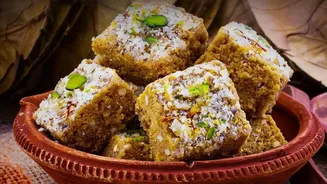
Peanut Chikki, a brittle made from peanuts and jaggery, is a snack synonymous with train journeys and winter festivities in India. The secret to a great chikki isn't in the ingredients, which are minimal, but in the precise cooking of the jaggery syrup. The goal is to reach the 'hard-crack' stage. To test this, you drop a small bit of the bubbling syrup into a bowl of cold water. If it solidifies instantly and snaps cleanly when you break it, it's ready. If it's chewy or bends, it needs more time. Once the syrup is at the right stage, roasted peanuts are stirred in. The entire mixture is then quickly poured onto a greased surface or parchment paper and rolled out thinly before it has a chance to harden. Scoring the slab into squares while it is still warm makes it easier to break into neat pieces once it has cooled completely.
Patishapta: A Bengali Delicacy
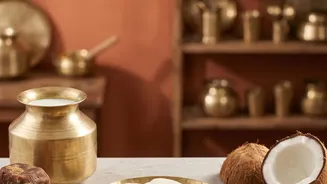
Patishapta is a beloved Bengali 'pithe' (a category of seasonal homemade sweets) especially popular during Poush Sankranti, the winter harvest festival. It consists of delicate, thin crepes made from a batter of rice flour, all-purpose flour (maida), and semolina (suji). These crepes are then filled with a heavenly mixture of freshly grated coconut and 'nolen gur' (date palm jaggery), which is prized for its unique, smoky aroma. The filling is cooked until it becomes a sticky, fudgy consistency. The crepes are made one by one on a hot tawa, the filling is placed in a line down the middle, and the crepe is gently rolled up. Though traditionally a winter sweet due to the availability of fresh date palm jaggery, it’s a treat enjoyed anytime one can find the ingredients.
Sweet Sooji Halwa with a Jaggery Twist
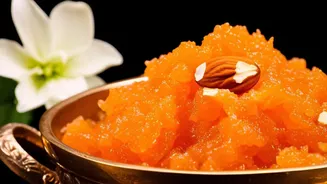
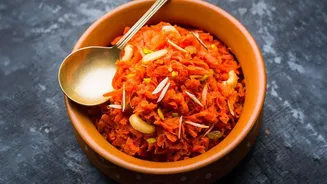
Rava Kesari, or Sooji Halwa, is a quick and comforting dessert found in kitchens across India. While traditionally made with sugar, substituting it with jaggery lends the dish a beautiful golden-brown hue and a deeper, more caramel-like flavour. The process is simple: semolina (rava or sooji) is roasted in ghee until fragrant. Separately, a syrup is made by dissolving jaggery in hot water. This hot jaggery water is then carefully poured into the roasted semolina, and the mixture is stirred continuously to prevent lumps until it thickens. The final flourish comes from a garnish of ghee-roasted cashews, raisins, and a pinch of cardamom powder. It’s a versatile sweet that can be made in under 20 minutes, making it perfect for sudden cravings or as a quick offering during festivals.