




Putting the Numbers in Context
The headline figure of 37,049 units is not just another data point; it represents a massive 76.47% increase compared to the 20,995 units sold in October 2025. This surge has pushed the market share of electric cars to 7.3% of all passenger vehicles sold,
more than double the 3.5% share seen just a year ago. While the month-over-month growth from September 2026 was a modest 2.61%, the year-on-year explosion underscores a powerful and accelerating trend. This isn't a fluke; it's the result of a maturing market where an increasing number of buyers are choosing electric for their next vehicle, driven by a combination of factors that have finally reached a tipping point.
Who Is Leading the Charge?
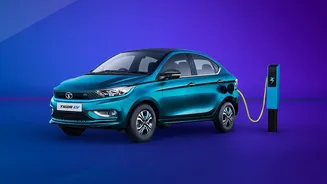
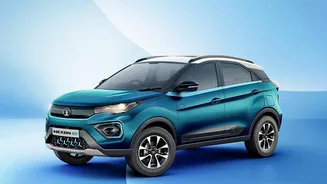
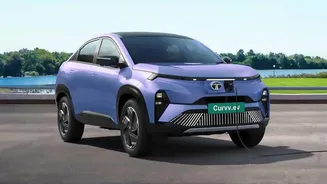
The Indian EV market continues to be dominated by homegrown manufacturers. Tata Motors maintained its commanding lead, retailing 14,669 electric vehicles in October. This represents a staggering 77.61% growth for the company over the previous year. Not far behind, Mahindra & Mahindra secured its second-place position with 8,538 units sold, an impressive 85.65% year-on-year increase. Together, these two domestic giants account for the lion's share of the market. JSW MG Motor India held onto the third spot with 5,939 units, while newer entrants like Vietnamese automaker VinFast have also made a significant impact, retailing 2,571 units. The presence of multiple strong players indicates a healthy, competitive landscape that benefits consumers with more choices and better technology.
The Policy and Product Push
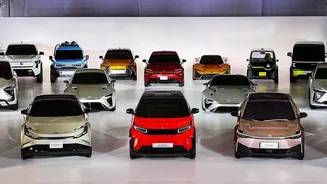
This sales boom isn't happening in a vacuum. It's being supercharged by a confluence of supportive government policies and a wider array of attractive products. Central government initiatives like the FAME (Faster Adoption and Manufacturing of Electric Vehicles) scheme, now in its third iteration, continue to make EVs more affordable by providing subsidies. Further support comes from the Production Linked Incentive (PLI) schemes for automobile and battery manufacturing, which encourage domestic production and reduce costs. Many states also offer their own top-up subsidies and road tax waivers, sweetening the deal for buyers. On the product side, the market is no longer limited to just a few models. Automakers are launching a variety of electric cars and SUVs with improved range, better features, and competitive pricing, finally giving buyers the options they've been waiting for.
Beyond the Big Cities
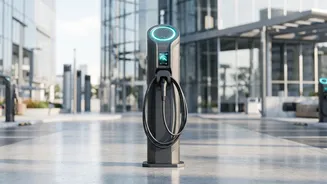
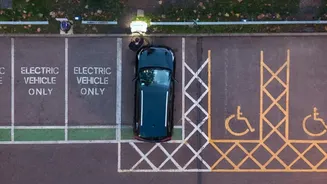
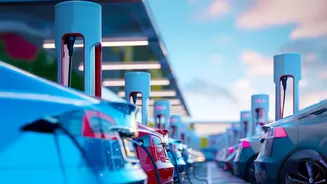
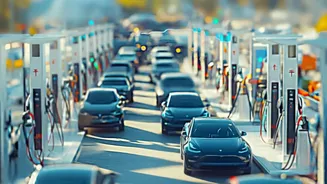
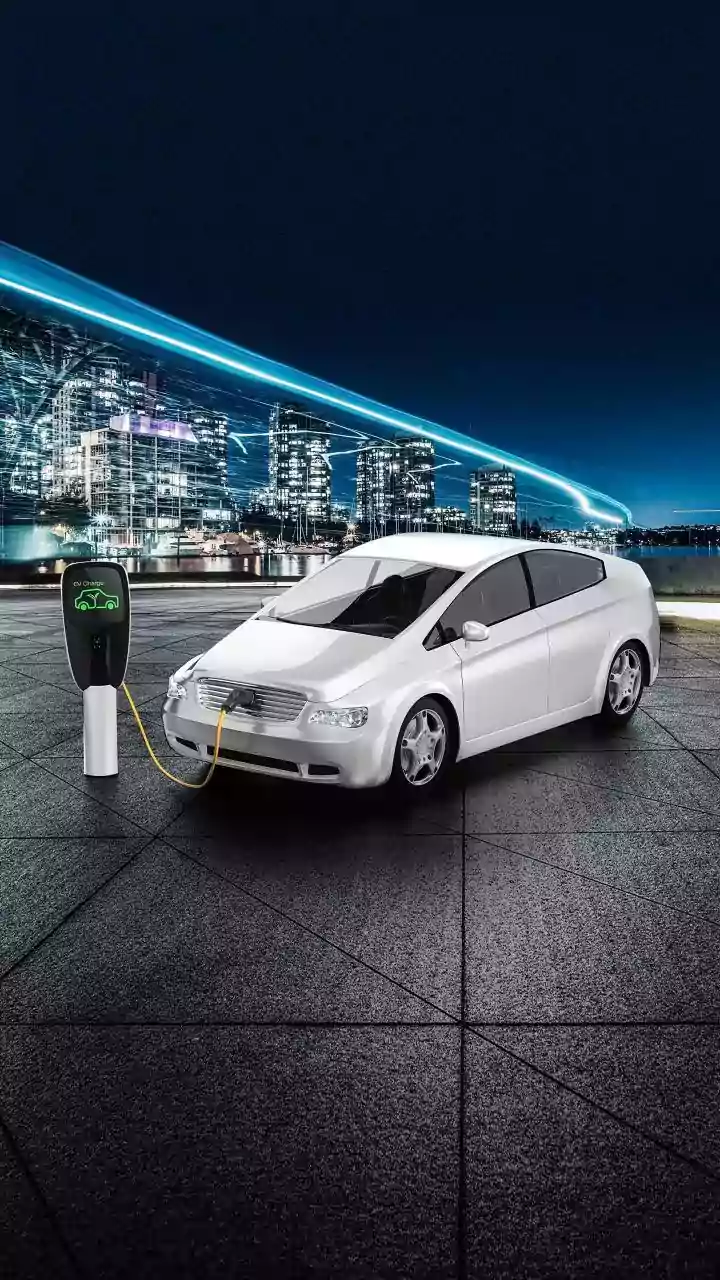
While urban centers have historically led EV adoption, the growth is now becoming more widespread. The expansion of the charging infrastructure, a critical piece of the puzzle, is playing a major role. Government and private sector players are actively installing thousands of charging stations along highways and in Tier-2 and Tier-3 cities, alleviating the 'range anxiety' that once held back many potential buyers. As charging becomes more accessible and visible, the practical barriers to owning an EV are diminishing. This, combined with rising fuel costs and the lower running expenses of electric vehicles, is making them a viable and financially sensible choice for a much broader segment of the Indian population, moving EVs from a niche urban novelty to a mainstream consideration across the country.
What Does This Mean for the Future?
October's record sales are a clear sign that India's EV transition is not just on track—it's accelerating. With more than 300,000 electric cars already sold in 2026, the industry has blown past last year's total with months to spare. Projections show the market growing at a compound annual growth rate (CAGR) that far outpaces the global average. For consumers, this means more model choices, falling battery prices, and an ever-expanding support ecosystem in the coming years. For the auto industry, it signals an irreversible shift where legacy automakers and new startups are locked in a battle for supremacy in the electric era. This surge confirms that the future of mobility in India is electric, and it is arriving faster than many predicted.