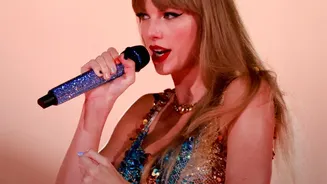





The 2024 plot to attack a Taylor Swift concert in Vienna has resurfaced with new, startling claims from a former top Israeli intelligence official, forcing a fresh look at the security surrounding the world's biggest musical events.
A Plot to Commit 'Mass Murder'
In early November 2026,
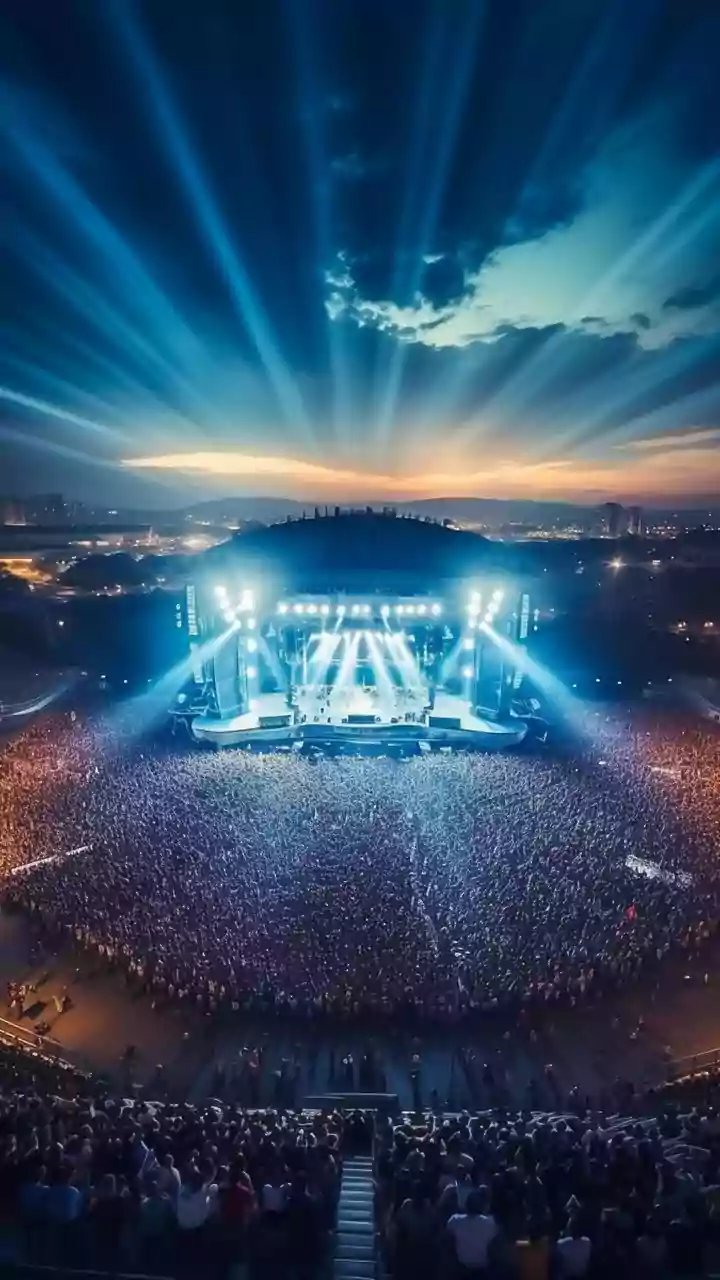
David Barnea, the former director of Israel's famed intelligence agency, Mossad, revealed new details about the agency's role in foiling a terrorist plot targeting Taylor Swift's Vienna concerts in August 2024. Speaking at a security conference in Jerusalem, Barnea stated that Mossad's intervention, in cooperation with Austrian authorities, prevented a 'mass murder' of 'up to hundreds of young European men and women'. The plot, orchestrated by sympathizers of the Islamic State (IS), led to the last-minute cancellation of three sold-out shows at Vienna's Ernst Happel Stadium, where over 170,000 fans were expected. The main suspect, identified as Beran A., was arrested just days before the first scheduled performance. He was later sentenced to 15 years in prison in May 2026 after pleading guilty to terrorism-related charges.
New Claims of Intelligence Cooperation
Barnea's recent comments have shed new light on the international intelligence operation that neutralized the threat. While previous reports had credited U.S. intelligence with providing the initial tip-off, Barnea clarified that the first warning came from Austrian partners who then shared the information with Mossad. He explained that Mossad then used its 'unique capabilities in processing intelligence' and 'cracking infrastructure' to help uncover the jihadist cell. These revelations underscore the complex, multi-national effort required to disrupt such plots. The attack was planned to be multifaceted, involving knives and homemade explosives to target fans both inside and outside the stadium. In court, Beran A. admitted to trying to build a bomb based on online instructions and attempting to purchase weapons.
Concert Security Under a Microscope
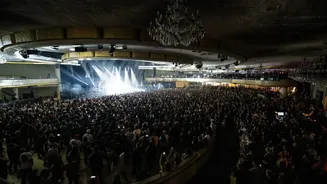
The Vienna plot was a chilling reminder of the vulnerability of large-scale public events, drawing parallels to the tragic 2017 bombing at an Ariana Grande concert in Manchester. The new details from Barnea have reignited discussions across the industry about the adequacy of current security protocols for major tours. Promoters and venue operators are now under increased pressure to re-evaluate everything from physical screening and surveillance to how they monitor online threats and coordinate with a web of international intelligence agencies. The incident in Vienna demonstrated that even with robust security, the sheer scale of modern concerts, with tens of thousands of fans gathered in one place, makes them an attractive 'soft target' for extremist groups.
The Aftermath and Broader Implications
The cancellation of the Vienna shows was a devastating blow to fans, many of whom had traveled internationally. In a statement following the events of 2024, Swift herself expressed a 'new sense of fear' and 'tremendous guilt' over the situation, but also gratitude to the authorities for preventing a tragedy. The plot involved a network of young men, including a co-conspirator sentenced to 12 years in prison and another teenager in Germany convicted for providing support. The foiled attack serves as a stark illustration of how global pop culture phenomena can become entangled in complex geopolitical and security issues. Barnea used the example to emphasize to European lawmakers that the threat of terrorism is not confined to the Middle East, stating, 'Terrorism does not distinguish between blood and blood, or between faith and faith'.