




What Is a Ginger Compress?
A ginger compress is a traditional remedy that involves soaking a towel in hot, ginger-infused water and applying it to the skin. Rooted in practices like Ayurvedic medicine and macrobiotics, this external therapy uses the combined power of heat and ginger's
active compounds to soothe specific areas of the body. The main idea is that the warmth helps to stimulate blood flow and circulation to the area, while compounds from the ginger, like gingerols, penetrate the skin. This process is believed to help ease tension, reduce inflammation, and provide targeted relief.
Potential Uses and Traditional Benefits
Ginger compresses have been traditionally used for a wide range of ailments, primarily those related to pain and inflammation. They are commonly applied to soothe sore muscles, backaches, stiff joints, and menstrual cramps. The active compounds in ginger are known to have anti-inflammatory properties, which may work similarly to some over-the-counter pain relievers. Studies on oral ginger supplements have shown they can be effective for osteoarthritis pain and muscle soreness after exercise. While direct research on compresses is less extensive, their use is based on the principle of delivering these benefits locally to increase circulation and flush out metabolic waste products that can contribute to pain.
A Simple At-Home Recipe
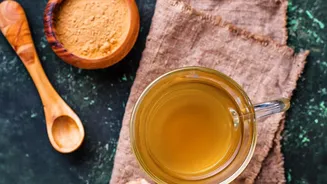
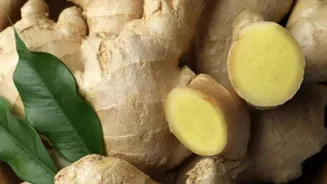
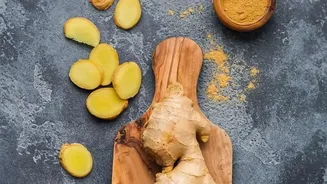
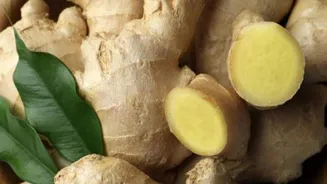
Making a ginger compress at home requires just a few basic items. You will need a large piece of fresh ginger root (about the size of a golf ball or a handful), a large pot with about two litres of water, a cheese grater, a small cotton cloth or pouch, and two small hand towels. First, grate the fresh ginger (no need to peel it) and place it inside the cotton cloth, tying it securely. Bring the pot of water to a boil, then reduce the heat to a low simmer. Place the ginger pouch into the water and let it steep for at least 5-10 minutes. The water should become fragrant and slightly coloured. Turn off the heat and let the pot cool for a few minutes so the water is hot, but not scalding.
How to Apply the Compress
Once your ginger water is ready, dip one of the hand towels into the pot. Using tongs or thick rubber gloves to protect your hands, carefully wring out the excess water until the towel is damp but not dripping. Before applying it, test the temperature on a less sensitive area of skin, like your forearm, to ensure it is comfortably hot and will not cause a burn. Place the warm towel on the affected area, such as your lower back or a sore shoulder. Cover the wet towel with the second, dry towel to insulate it and retain the heat. Leave it in place for about 5-10 minutes, or until it starts to cool. You can then re-soak the towel and repeat the process for a total of 15-20 minutes. The skin in the area should turn pink and feel warm.
Essential Safety Precautions
While a ginger compress is a simple remedy, taking precautions is crucial. The most immediate risk is skin burns from water that is too hot. Always test the temperature carefully before application. Some individuals may have a skin sensitivity or allergy to ginger, so performing a patch test with a small amount of the ginger water on your inner arm first is a wise step. The compress should not be used on open wounds, rashes, or very sensitive skin. It is also advised to avoid applying it directly over the spine, especially near sites of previous injections. Furthermore, compresses should be avoided if you have a high fever. Pregnant women and those with significant health conditions should consult a doctor before trying this or any new home remedy.