





The El Niño Effect Explained
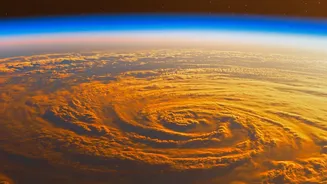
El Niño is a naturally occurring phenomenon characterized by the unusual warming of sea surface temperatures in the central and eastern equatorial Pacific Ocean. While it happens thousands of kilometres away, its impact is global. By altering atmospheric
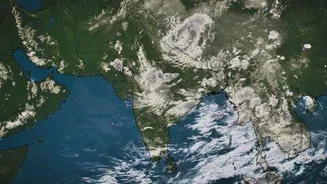
circulation patterns, a strong El Niño can weaken or disrupt India’s southwest monsoon. This doesn't automatically guarantee a drought, as other factors like the Indian Ocean Dipole can play a role. However, it significantly increases the probability of a weaker, delayed, or erratic monsoon season. For 2026, forecasts from the India Meteorological Department (IMD) and other global agencies have pointed to the development of moderate El Niño conditions, which are expected to intensify through the monsoon season. This has put the government and various sectors on high alert.
A Lifeline of Livelihoods
The stakes for India are incredibly high because the southwest monsoon, which typically lasts from June to September, is the backbone of its climate and economy. The season delivers approximately 70% to 80% of the country's total annual rainfall. This deluge is vital for agriculture, a sector that provides a livelihood for nearly half of the population. Crucially, a significant portion of India's farmland, about half of the net sown area, is still rain-fed, meaning it lacks access to assured irrigation and is entirely dependent on the monsoon. A good monsoon replenishes reservoirs essential for drinking water, irrigation, and hydroelectric power generation, ensuring water security for millions. A weak one threatens this entire ecosystem.
The Ripple Effect on the Economy
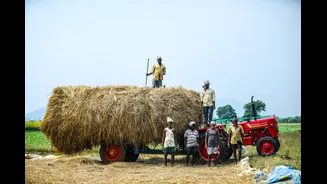
The most immediate and obvious impact of a poor monsoon is on agriculture. A delay in rains can disrupt the sowing of critical kharif (monsoon) crops like rice, pulses, cotton, and soybean, leading to lower yields. This directly translates to reduced income for farmers, which then triggers a domino effect across the rural economy. When farmers earn less, their purchasing power shrinks. This dampens demand for a wide range of goods and services, a phenomenon economists watch closely. Sales of tractors, two-wheelers, and fast-moving consumer goods (FMCG) often take a hit, as rural households postpone discretionary spending. Even the microfinance sector can feel the strain as rural borrowers face income pressures.
Beyond the Farm Gate
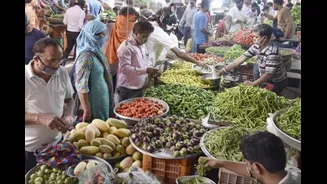
The consequences of a weak monsoon extend far beyond the agricultural sector, touching every household's budget. Lower crop production tightens food supply, which can lead to a surge in food prices and overall retail inflation. This creates a challenge for the Reserve Bank of India in its efforts to maintain price stability. The energy sector is also vulnerable. Reduced rainfall means lower water levels in the country's major reservoirs, which curtails hydroelectric power generation. At the same time, hotter and drier conditions associated with a weak monsoon can drive up the demand for electricity for cooling, putting additional pressure on the power grid. While some industries like those producing cooling appliances might see a short-term boost, the broader economic sentiment is one of caution.
Bracing for Impact
Recognizing the risks, the Indian government has activated contingency plans. As of early August 2026, authorities have identified hundreds of districts across multiple states that are particularly vulnerable to below-normal rainfall and are preparing mitigation strategies. These plans include promoting the use of drought-tolerant and short-duration crop varieties, making climate-resilient seeds available, and issuing advisories to farmers on efficient water use and crop diversification. Weekly meetings of the Crop Weather Watch Group are being held to monitor rainfall, reservoir levels, and sowing progress to enable timely interventions. While these measures can help soften the blow, the performance of the monsoon in the latter half of the season remains critical for the country's economic and social well-being.