





What Exactly Is Ragi?
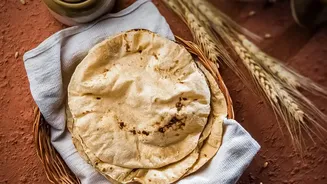
Ragi, scientifically known as Eleusine coracana, is a hardy millet that has been cultivated in India and Africa for thousands of years. In India, it's a beloved staple with many regional names: 'nachni' in Maharashtra, 'kezhvaragu' in Tamil Nadu, and 'mandua'
in Hindi, among others. This tiny, reddish-brown grain is revered for its ability to thrive in tough, arid conditions, making it a sustainable crop. For centuries, it has been the food of farmers and labourers, valued for the sustained energy it provides. Now, as people rediscover traditional grains, ragi is being celebrated for its versatility and immense nutritional profile.
A Nutritional Powerhouse
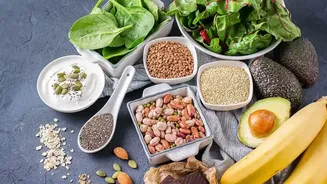
The renewed interest in ragi is well-deserved, primarily due to its exceptional health benefits. It is one of the best non-dairy sources of calcium, containing up to ten times more than wheat or rice, making it vital for bone health and preventing osteoporosis. Ragi is also rich in dietary fibre, which aids digestion, promotes a feeling of fullness to help with weight management, and helps regulate blood sugar levels, making it an excellent choice for individuals with diabetes. Furthermore, it is a good source of plant-based protein and essential amino acids like methionine. Being naturally gluten-free, it is a safe and healthy option for those with celiac disease or gluten sensitivity.
The Morning Energiser: Ragi Malt Porridge
One of the simplest ways to start your day with ragi is a warm bowl of porridge, also known as ragi malt. To prepare a single serving, make a smooth paste by mixing two tablespoons of ragi flour with a little water to avoid lumps. Gently heat one cup of milk or water in a saucepan. Slowly whisk in the ragi paste and cook on low heat for 5-7 minutes, stirring continuously until it thickens to a pudding-like consistency. For a sweet version, add jaggery and a pinch of cardamom powder. For a savoury take, add a pinch of salt and, once cooled, stir in buttermilk for a refreshing twist.
The Quick Meal: Instant Ragi Dosa
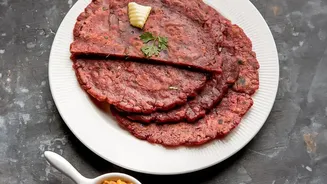
For a quick and satisfying breakfast or light dinner, an instant ragi dosa is perfect. In a bowl, combine half a cup of ragi flour, a quarter cup of rice flour, and a quarter cup of curd or yogurt. Add water gradually to form a thin, flowing batter. Mix in finely chopped onions, green chillies, coriander, and a pinch of salt for flavour. Let the batter rest for 15-20 minutes. Heat a non-stick tawa or griddle, and pour a ladle of the batter from the outside inwards to create a crispy, net-like dosa. Drizzle a little oil or ghee around the edges and cook until golden and crisp. Serve hot with coconut chutney or sambar.
The Healthy Indulgence: Ragi Ladoos
Even your sweets can get a healthy upgrade with ragi. These no-cook ladoos are simple to make and perfect for a nutritious snack. Start by dry roasting one cup of ragi flour in a pan on low heat for about 7-8 minutes until it releases a nutty aroma. This step is crucial to remove the raw taste of the flour. In a bowl, mix the roasted ragi flour with half a cup of powdered jaggery and a quarter cup of desiccated coconut. Add a pinch of cardamom powder for fragrance. Finally, add two to three tablespoons of warm ghee and mix everything well. While the mixture is still warm, shape it into small, round ladoos. You can also add chopped nuts like almonds or cashews for extra crunch.
A Note on Consumption
While ragi is incredibly healthy, moderation is key. Its high fibre content means you should increase your intake gradually to avoid digestive discomfort like bloating, especially if you are not used to a high-fibre diet. It's also important to drink plenty of water. People with kidney-related issues should be mindful, as excessive consumption could be problematic due to ragi's oxalate and calcium content. For most people, incorporating ragi as part of a balanced diet is perfectly safe and highly beneficial.