


The Agony of Uneven Roasting
We have all been there. You pull a tray of beautiful, aromatic peanuts from the oven, only to discover a culinary tragedy. Some are pale and taste raw, others are an ideal golden brown, and a frustrating number are scorched and bitter. This inconsistent
result is a common kitchen grievance, turning what should be a simple, satisfying snack into a game of chance. The disappointment of a bad batch is real, especially after you have taken the time to roast them yourself. The goal is a uniform, deeply nutty flavour and a satisfying crunch in every single peanut. But when heat is applied unevenly, you get a disappointing mix of textures and tastes that no amount of wishful thinking can fix.
The Science of a Perfect Roast
To understand why peanuts roast unevenly, it helps to know what is happening inside the oven. The magic behind that toasty, golden-brown goodness is a chemical process called the Maillard reaction. This reaction occurs when the amino acids and natural sugars in the peanuts are heated, creating hundreds of new flavour and aroma compounds. It is the same process that gives seared steak its savoury crust and bread its golden hue. However, this reaction needs a specific temperature range to work its magic, typically between 140°C and 165°C. Heat in an oven is not perfectly uniform. The baking sheet is a direct source of conductive heat, making it hotter than the air, while the oven's heating element radiates intense heat from above. This creates hot spots, where some peanuts cook much faster than others.
Why Salt Makes a Difference
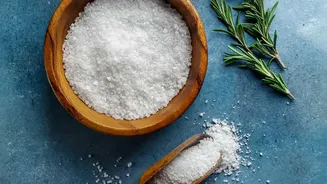
Adding salt to the equation introduces another variable. While essential for flavour, salt can affect how peanuts roast. Salt is hygroscopic, meaning it attracts water. When peanuts are salted, the salt can draw moisture to the surface. Uneven moisture levels across the nuts can cause some to brown more quickly than others. Furthermore, if you are brining or rinsing your peanuts before salting and roasting—a technique used to help the salt adhere better—you are intentionally adding moisture. This moisture must evaporate before the Maillard reaction can truly kick in, and if some nuts are wetter than others, their roasting times will naturally differ, complicating the quest for an even finish.
The Magic of Constant Motion
This brings us to the simple, elegant solution mentioned in the headline: continuous stirring. It may sound almost too basic to be a serious culinary tip, but its effect is profound. By regularly stirring the peanuts on the baking sheet, you are actively managing the heat exposure. You move the nuts from the hotter edges of the pan to the cooler centre and vice versa. You flip them over, ensuring no single side sits against the hot metal for too long. This constant redistribution of peanuts prevents any one nut from languishing in a hot spot and burning. It guarantees that every peanut gets a more democratic share of the oven's energy, allowing them all to progress through the Maillard reaction at a similar pace. The result is a batch that is far more uniform in colour, texture, and flavour.
Your Perfect Roasting Technique
Ready to put this into practice? Start by preheating your oven to around 175°C. Spread your raw, shelled peanuts in a single, even layer on a rimmed baking sheet; overcrowding will cause them to steam rather than roast. Roast for 15 to 20 minutes, but do not just set a timer and walk away. This is where the technique comes in. Every 3 to 5 minutes, pull the tray out and give the peanuts a thorough stir with a spatula, or simply shake the pan vigorously to redistribute them. As they get closer to being done, you will notice their nutty aroma intensifying. Watch for a uniform golden-brown colour. Remember that they will continue to cook slightly from residual heat after you remove them from the oven, so it is best to pull them just before they look perfectly done.