




The Billion-Dollar 'Future Plan'
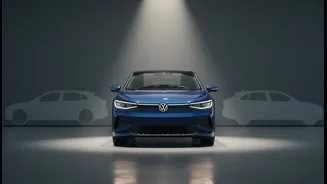
Volkswagen Group, the German automotive titan, is embarking on one of the most aggressive restructuring plans in its history. In response to what it calls a "changed global market environment"—code for intense competition, rising tariffs, and a slower-than-hoped
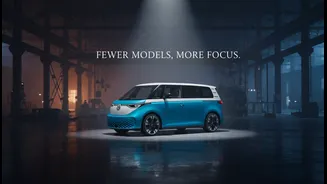
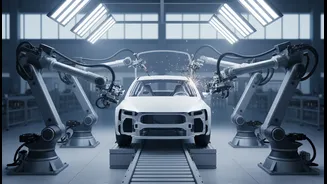
shift to electric vehicles—the company has initiated a new 'future plan.' This isn't just a minor course correction; it's a fundamental overhaul. The goal is to make the entire group more resilient, efficient, and competitive. To do this, leadership has announced a plan to streamline its global model lineup by as much as 50 percent. This dramatic reduction aims to focus investment and development on the most profitable and attractive market segments, moving away from a strategy of chasing sheer sales volume.
Complexity Is the Enemy
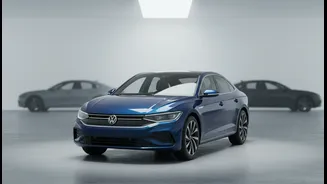
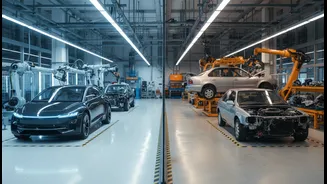
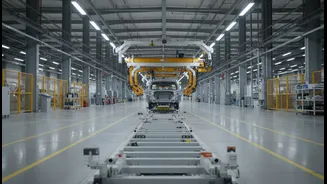
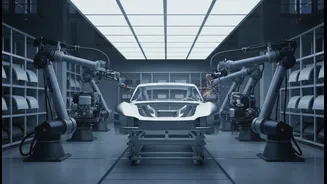
For years, the mantra in the auto industry was 'a model for every niche.' This led to a sprawling portfolio of roughly 150 different model lines across VW's brands, from Skoda to Lamborghini. This complexity has become a massive financial and logistical burden. Developing, manufacturing, and marketing so many different cars, many of which overlap with sister brands, is incredibly expensive. The new plan aims to attack this issue head-on. Beyond just cutting entire model lines, VW Group also plans to slash the number of available equipment options and configurations by up to 75 percent. The thinking is simple: fewer parts, fewer engineering variations, and simpler production lines lead to faster development, lower costs, and better profitability on the cars that remain.
What This Means for the Luxury Trio
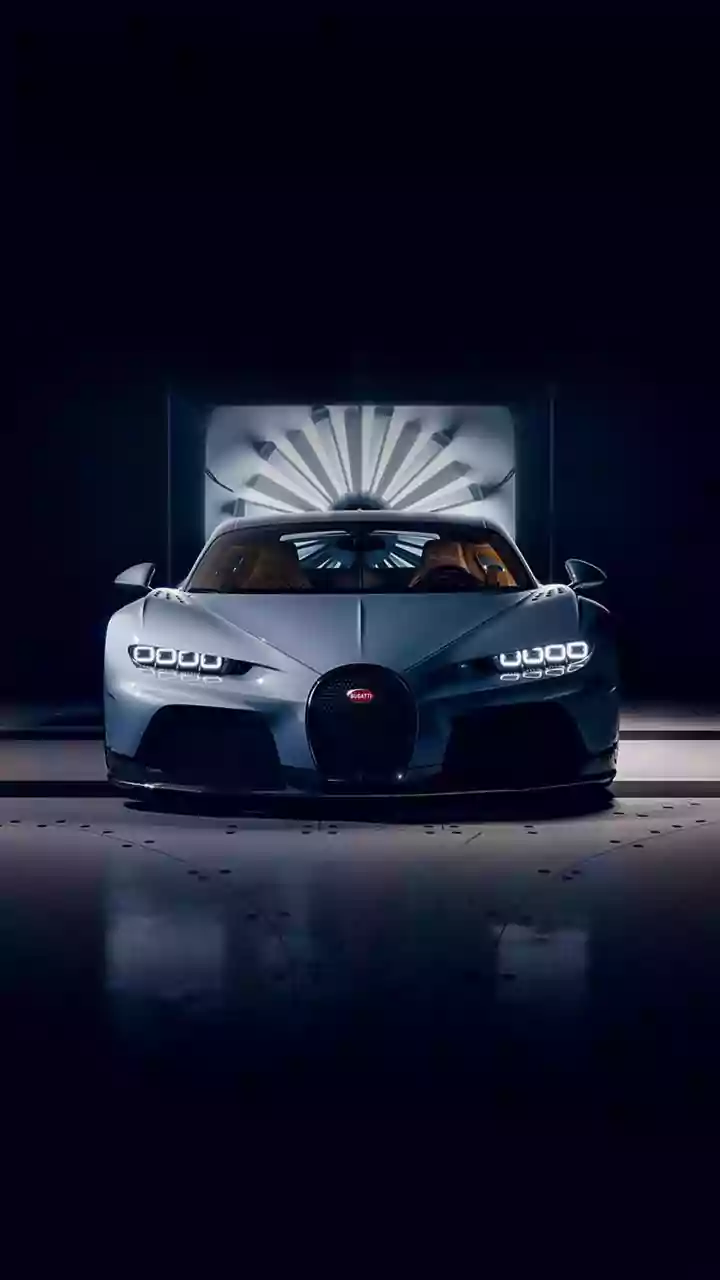
While the cuts will be felt across all of VW's brands, the implications for Audi, Porsche, and Bentley are particularly significant. These brands thrive on their distinct identities and extensive, often highly customizable, lineups. The 'radical reset' puts niche, low-volume models in the crosshairs. Think two-door coupes, convertibles, or specialty wagons that sell in smaller numbers compared to their SUV counterparts. While no specific models have been officially named for the axe, speculation suggests that models with overlapping roles or less certain futures in an electric world could be vulnerable. For example, the futures of the Porsche Panamera and Taycan have been questioned, though the iconic 911 is considered safe. For a brand like Bentley, which trades on bespoke customization, reducing options by 75% will require a major strategic pivot. This is less about cheapening the brands and more about forcing them to be more focused and disciplined.
Platform-Sharing and Brand Identity
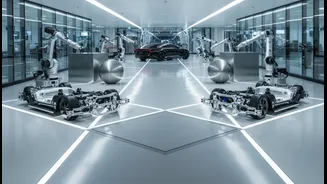
The key to making this work without diluting the prestige of its top-tier brands is the next-generation Scalable Systems Platform (SSP). The SSP is a highly flexible, software-first vehicle architecture designed to underpin a vast range of electric vehicles, from compact cars to high-performance sports cars. By standardizing the underlying components, batteries, and software, VW Group can dramatically reduce development costs and complexity. The challenge, however, will be ensuring that an Audi built on this common platform still feels distinctly like an Audi, and a Bentley feels like a Bentley. The brands will have to differentiate their products through unique designs, driving dynamics, interior quality, and exclusive digital features built on top of the shared foundation. It’s a high-wire act: leveraging the efficiency of a mega-platform while preserving the unique character that makes a Porsche worth its premium price tag.