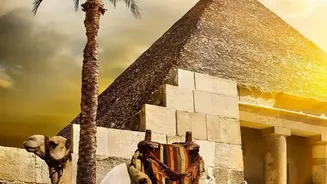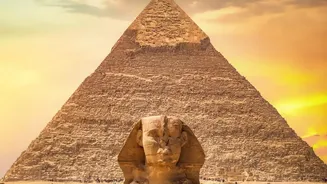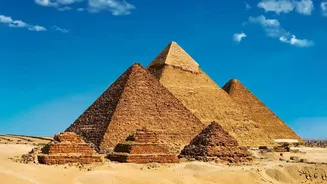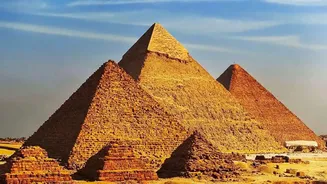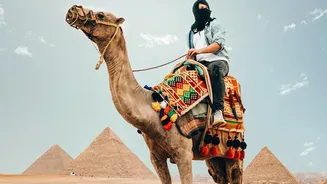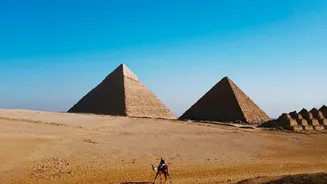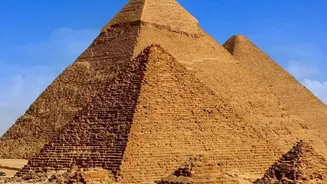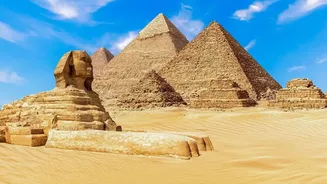







The classic image of Egypt—towering pyramids and colossal temples—often comes with a less romantic reality: crowds. But labelling this ancient land 'overrated' is a mistake. A truly magical Egyptian journey is not only possible, it’s waiting.
Beyond the Giza Plateau
The Pyramids
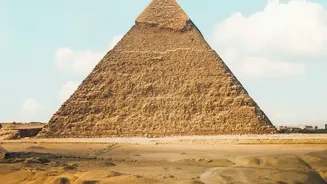
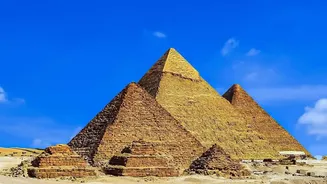
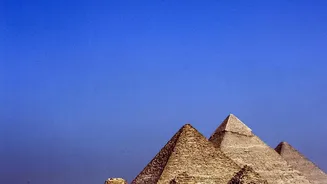
of Giza are non-negotiable for most visitors, but they aren't the only pyramids worth seeing. Just a short drive south of Cairo lies a less-congested corridor of ancient history. The pyramid fields of Dahshur and Saqqara offer a more adventurous and intimate experience. At Dahshur, you can marvel at the Red Pyramid and the unique Bent Pyramid, which were crucial experiments on the path to building the Great Pyramid. You can often enter the Red Pyramid, descending into its chambers with far fewer people around than you'd find at Giza. Nearby Saqqara is home to the Step Pyramid of Djoser, considered the world's oldest stone building. This sprawling necropolis allows you to trace the evolution of pyramid construction and explore tombs that many tourists miss entirely, offering a quieter, more academic thrill.
Luxor Without the Long Lines
Luxor, the ancient Thebes, is another magnet for crowds, particularly at the temples of Karnak and Luxor and in the Valley of the Kings. Yet, even here, a smarter strategy pays off. Consider visiting Medinet Habu, the mortuary temple of Ramesses III. It is one of the best-preserved temples on the West Bank, boasting vibrant reliefs and original colours, but receives only a fraction of the visitors that flock to Karnak. Exploring its vast courtyards and detailed battle scenes can feel like a private discovery. Similarly, while the Valley of the Kings is a must-see, the nearby Tombs of the Nobles offer a different perspective. Instead of focusing on the pharaoh's divine journey, these tombs depict vibrant scenes of daily life—farming, feasting, and family—providing a more human connection to the ancient world.
Finding a Quieter Nile
The standard Nile journey involves a large cruise ship, a floating hotel that sails a fixed and often crowded itinerary between Luxor and Aswan. For a more tranquil experience, consider a dahabiya. These traditional, twin-masted sailboats accommodate a much smaller number of guests, typically between 12 and 24. Their smaller size and slower pace allow them to dock at quiet riverbanks and visit smaller, less-accessible islands and village sites that the large cruisers cannot reach. The journey on a dahabiya is more about the peaceful rhythm of the river itself, offering an intimate and authentic alternative to the bustling buffet lines and scheduled entertainment of a larger ship. It transforms the Nile from a backdrop into the main event.
Escape to Desert and Sea
Egypt’s allure extends far beyond its pharaonic monuments. Deep in the Western Desert, near the Libyan border, lies the Siwa Oasis. Reaching it requires a significant detour, but the reward is a unique cultural landscape defined by Amazigh (Berber) heritage, date palms, and shimmering salt lakes. Exploring the ancient mud-brick fortress of Shali or floating in the buoyant salt pools offers a different kind of magic. This is slow travel at its best, a world away from the tourist circuits of the Nile Valley. For those seeking coastal relaxation, the Red Sea offers more than just sprawling resorts. Look for smaller, eco-conscious camps or towns south of the main hubs of Hurghada and Sharm El-Sheikh to find pristine reefs and a more laid-back atmosphere.
The Art of Timing and Expectations
Ultimately, the best experience in Egypt comes down to planning. The cooler months between October and April are most comfortable for sightseeing, but this is also peak season. However, the hour you visit a site often matters more than the month. Arriving at the Giza Plateau right at its 7 a.m. opening can give you a precious window of relative quiet before the large tour buses arrive around 10 a.m. The late afternoon, as the sun begins to set, is another golden hour when crowds thin and the light is perfect for photography. Managing expectations is just as crucial. You will encounter persistent vendors and requests for 'baksheesh' (tips). Rather than letting it cause frustration, view it as part of the economic reality of the place and handle it with polite firmness. Acknowledging these realities allows you to focus on the awe-inspiring history that surrounds you.