



The Case for Paint: Seamless and Architectural
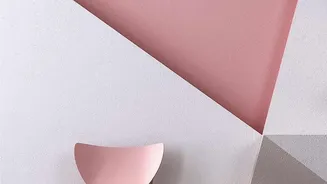
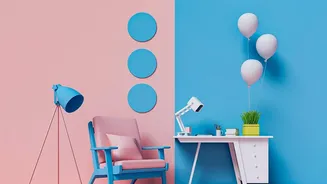
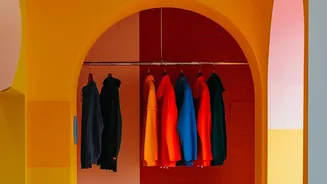
Using paint is the most direct way to achieve a colour-blocked effect. It allows you to create large-scale, integrated designs that become part of the room's architecture. You can paint geometric shapes, create a split-wall effect, or even paint an arch to define
a specific zone, like a home office nook. The primary advantage is the seamless finish. The blocks of colour feel intentional and can be used to highlight features like fireplaces or even create the illusion of a headboard behind a bed. The customisation is limitless; you can choose any colour combination imaginable. However, this method requires a higher commitment. It's a more permanent choice that demands careful preparation—filling holes, sanding, and precise taping—to get crisp, professional lines. If your tastes change, repainting is more involved than simply moving a frame. It also requires a steady hand and patience, making it a potentially challenging DIY project.
The Argument for Art: Flexible and Curated
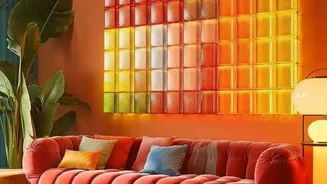
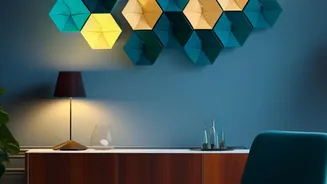
If the thought of masking tape and paint rollers feels daunting, framed art offers a brilliant, low-commitment alternative. Grouping several monochromatic or minimalist prints can create a powerful colour-blocked statement. The key advantage here is flexibility. If you grow tired of the arrangement or move homes, you can easily rearrange or take your art with you. This is an especially strong choice for renters or those who enjoy frequently updating their decor. Using art allows you to play with texture and layers, creating a curated gallery wall feel. You can even paint a single block of colour on the wall and then hang your art within that shape to combine both techniques. The main drawback can be cost and coherence. Sourcing multiple prints and having them framed can be more expensive than a can of paint. It can also be challenging to make a collection of separate frames feel like a single, unified block of colour.
Cost, Effort, and Time Commitment
From a budget perspective, paint is often the more affordable option, especially for covering a large area. A few tins of paint and some supplies are generally less expensive than buying several pieces of quality framed art. However, the 'cost' of paint is higher in terms of time and effort. A proper paint job involves preparation, multiple coats, and drying time. Framed art, on the other hand, is a quicker fix. Once you have the pieces, you can arrange and hang them in an afternoon. The primary effort lies in the planning—choosing the art, the frames, and the layout on the wall. While unframed canvases are a budget-friendly art option, custom framing can quickly escalate the total cost, potentially making it the pricier choice.
Making the Right Choice For Your Space
The best method depends on your lifestyle and your space. For homeowners who are confident in their design choices, paint offers a bold and permanent statement that can dramatically transform a room. It's perfect for creating a strong focal point that feels integrated with the home's style. For renters or decor enthusiasts who love to experiment, framed art provides the freedom to change your mind without long-term consequences. It's a versatile approach that lets you build a collection over time. Consider the room itself. In a child's room, where tastes change quickly, a gallery wall of prints might be more practical. In a dining room where you want to create a dramatic, lasting mood, a painted feature wall could be the ideal solution.
The Final Aesthetic: Integrated vs. Layered
Ultimately, the two methods produce different visual effects. Painted colour-blocking creates a flat, graphic, and architectural look. The colours are embedded in the wall itself, changing the feel of the room's structure. It's minimalist and clean. Framed art, by contrast, creates a layered, textured effect. The frames themselves add dimension, and the collection tells a story. It feels more like a curated display of objects rather than a modification of the wall. If you want a bold, seamless statement, paint is your answer. If you prefer a flexible, collected look that you can evolve over time, art is the way to go.