






What Exactly Is E20 Fuel?
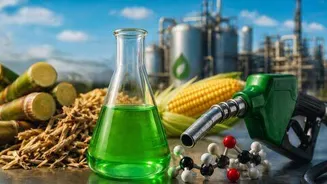
E20 is a blend of 80% petrol and 20% ethanol. Ethanol is a biofuel produced from agricultural sources like sugarcane, maize, and surplus food grains. India has been gradually increasing the percentage of ethanol blended into its petrol for years, moving
from E10 (10% ethanol) to the current E20 standard, which was rolled out nationwide in 2025. The government's primary goals for this shift are threefold: to reduce the country's massive oil import bill, lower vehicular emissions, and provide an economic boost to the agricultural sector by creating a consistent demand for farmers' produce. This policy is part of the broader National Policy on Biofuels, which aims to enhance India's energy security.
Is My Vehicle Compatible?
This is the most critical question for every vehicle owner. The simple answer is that most new petrol cars and two-wheelers sold since April 2023 are designed to be E20 compatible. Many manufacturers, including Maruti Suzuki, Hyundai, Tata Motors, and others, began updating their lineups to adhere to the BSVI Phase 2 norms, which included E20 compliance. Several brands like Honda and BMW state their vehicles have been materially compliant for many years. To be certain, you should check for an 'E20 compatible' sticker on your vehicle's fuel filler cap, consult the owner's manual, or contact your authorised dealer. For vehicles made before 2023, compatibility is not guaranteed, and it's essential to verify before regularly using the new fuel.
What Are the Real Risks for Older Vehicles?
Here's where the 'engine crisis' concern comes from. For vehicles not designed for higher ethanol blends, there are potential long-term risks. Ethanol can be more corrosive than petrol and has a tendency to absorb moisture. Over time, this could potentially degrade certain rubber and plastic components in the fuel system, such as hoses, gaskets, and seals. However, the government has stated there is no evidence of widespread, large-scale engine failures linked to E20. A recent statement to Parliament noted that while some older vehicles might see a slight drop in mileage, major damage has not been observed in service records from leading manufacturers. An unpublished study by the Automotive Research Association of India (ARAI) did note that E20 could cause deterioration of some rubber parts in older cars.
The Government’s ‘Manageable Shift’ Stance
The official government position is that the transition to E20 is a carefully managed process, not an abrupt crisis for vehicle owners. Authorities point to extensive testing by research institutes and auto industry bodies, which found no major compatibility issues. In a recent statement to Parliament, Minister of State for Petroleum and Natural Gas, Suresh Gopi, clarified that any drop in fuel efficiency for older cars is generally limited to about 3-5%, and there's no proof of it causing widespread engine damage. Furthermore, the government has assured vehicle owners that manufacturers will continue to honour warranties for E20-compliant vehicles. The messaging focuses on the significant national benefits, such as saving on foreign exchange and reducing emissions, portraying the transition as a net positive for the country.
Understanding the Efficiency and Performance Angle
While some drivers report a noticeable drop in mileage and sluggish performance, the official take is different. Ethanol has a slightly lower energy density than petrol, which can lead to a minor reduction in fuel efficiency. However, E20 fuel has a higher octane rating, which helps prevent 'engine knocking' and can improve performance in engines designed to take advantage of it. The government has highlighted benefits like better combustion and smoother acceleration. For most drivers of modern, compatible cars, the change in everyday performance is expected to be minimal. The 'efficiency shift' refers less to individual mileage gains and more to the overall efficiency of India's energy economy by substituting imported oil with a domestic resource.