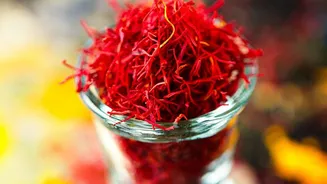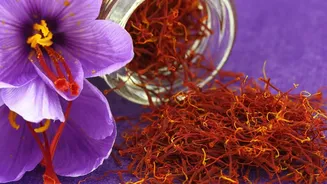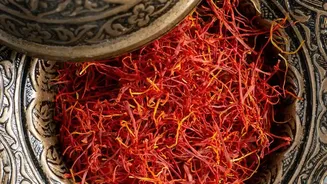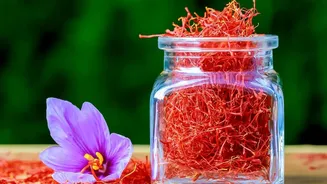



Embrace Saffron’s Dual Nature
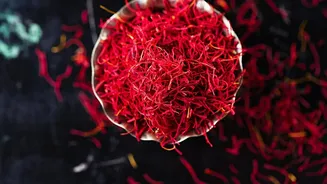
First, understand that saffron isn't one-note. It contains complex compounds that give it a unique flavor profile: subtly earthy and grassy, but also floral with hints of honey. The common mistake is letting those honeyed, floral aromas dominate. In many
beloved Indian sweets like kheer or firni, saffron is paired with milk and sugar, which naturally amplifies its sweeter side. For savory cooking, the goal is to suppress those notes and elevate its earthy, almost metallic and subtly bitter qualities that add incredible depth to a dish. The key isn't to eliminate the sweetness but to balance it.
The Golden Rule: Always Bloom Saffron
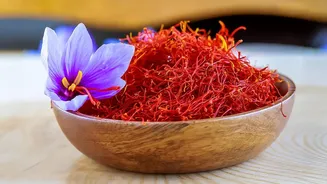
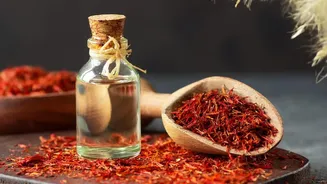
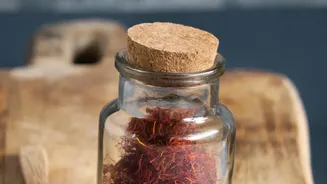
The single most critical step to control saffron’s flavor is 'blooming' it. Tossing the dry threads directly into your dish is a common mistake that results in uneven flavor and color. Blooming involves steeping the threads in a small amount of warm liquid to release their full spectrum of color (crocin) and aroma (safranal). Lightly crush a pinch of saffron threads (about 15-20 threads for a dish serving four) with your fingers or a mortar and pestle. Steep them in two to three tablespoons of warm—not boiling—liquid for at least 15-20 minutes. Boiling water can destroy saffron's delicate aromatic compounds, leaving you with color but a flatter flavor. This simple infusion is your secret weapon, allowing you to add a controlled, consistent saffron flavor to your cooking.
Choose Your Blooming Liquid Wisely
The liquid you choose for blooming plays a huge role in guiding the flavor. While warm water is a neutral default, using other liquids can steer the saffron towards a savory profile. For a risotto, paella, or stew, bloom the saffron in a few tablespoons of the warm chicken, vegetable, or seafood stock the recipe calls for. This marries the saffron's essence with the savory base of the dish from the very beginning. For creamy sauces or marinades, using warm milk or even white wine can work beautifully, with the fat in the milk or the acidity in the wine balancing the spice's profile. Avoid blooming in milk if you're making a dish you want to be explicitly savory, as this can sometimes echo the pairings found in desserts.
Less Is Decidedly More
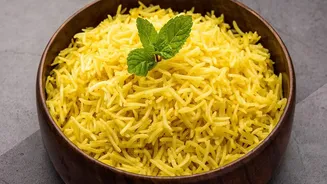
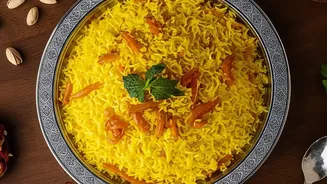
Given its price, it’s tempting to be either overly cautious or, conversely, too heavy-handed to make sure you taste it. Restraint is your friend. Using too much saffron is the fastest route to a bitter, almost medicinal taste that can be unpleasant. A general rule of thumb is to use about 15-20 threads for a dish that serves four to six people. For rice dishes like biryani or pulao, this modest amount is enough to perfume and color the entire pot. Remember, you can always add a little more of your bloomed saffron liquid, but you can't take it away once it's in the dish.
Perfect Pairings for Savory Success
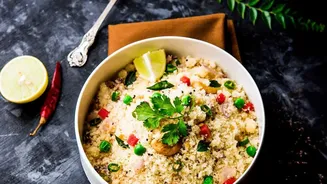
To highlight saffron's savory side, pair it with ingredients that complement its earthy notes. It has a classic affinity for rice, chicken, lamb, and seafood like prawns and mussels. Aromatics such as garlic, onions, and leeks provide a robust foundation. Spices like cardamom, cumin, and coriander work well when used in balance, while herbs like parsley and mint can add a fresh finish. The acidity from tomatoes or a squeeze of lemon juice can also cut through the richness and brighten the overall flavor, preventing it from feeling too perfumed or heavy. Think of classic savory dishes like Spanish paella, Italian risotto Milanese, or French bouillabaisse—all use saffron to create a deep, savory foundation, not a sweet one.