






The Great Indian Protein Rush
India is in the midst of a protein revolution. What was once a niche product for bodybuilders has exploded into a mainstream phenomenon. The Indian protein supplements market, valued at over USD 1 billion in 2025, is projected to grow at a rapid pace,
with some estimates predicting it will reach nearly USD 2.7 billion by 2033. This surge is driven by a powerful combination of rising health consciousness, fitness culture fueled by social media, and a growing middle class with more disposable income. The trend has moved beyond just powders; supermarket shelves are now stocked with protein-fortified snacks, milks, breads, and even traditional staples, reflecting a fundamental shift in how Indians approach nutrition. Quick-commerce platforms have reported a staggering 150% jump in protein-related orders over the last two years, with demand growing fastest not just in metros like Bengaluru but also in Tier-II cities like Nagpur and Jaipur.
An Expensive Habit: Who Can Afford It?
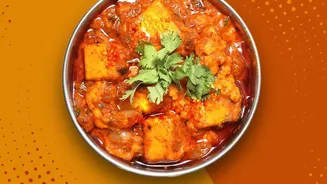
While the appetite for protein is growing, it comes at a significant cost. Protein supplements, especially whey, are notably expensive in India. A one-kilogram tub of whey protein can cost anywhere from ₹2,000 to over ₹5,000. This steep pricing is partly due to India's reliance on imported raw materials, as most whey is a byproduct of a cheese industry that is less developed domestically. When you break it down, the cost per gram of protein from a whey supplement can be many times higher than that from traditional food sources like eggs, dal, or paneer. This makes the high-protein lifestyle largely inaccessible for a vast portion of the population, effectively turning a nutritional need into a luxury good. Even for those who can afford it, recent global supply chain disruptions and geopolitical tensions have caused prices for raw whey to skyrocket, with brands increasing retail prices by 10-25% to compensate.
The Purity Problem: Are You Getting What You Paid For?
Perhaps more concerning than the cost is the widespread issue of quality and adulteration. India's protein supplement market is plagued by counterfeit products, misleading labels, and contamination. One study of 36 popular supplements found that nearly 70% had mislabeled protein content, with some containing only half the protein they claimed. Even more alarmingly, the same study found that 14% of products contained harmful fungal toxins and 8% had traces of pesticides. A common deceptive practice is "protein spiking," where manufacturers add cheap, non-protein nitrogen sources like glycine or taurine to artificially inflate the protein content reported in lab tests. These fillers don't provide the same muscle-building benefits, meaning consumers are cheated out of both their money and their health goals.
Regulation and the Path Forward
In response to these alarming trends, the Food Safety and Standards Authority of India (FSSAI) has begun to tighten regulations. The authority has been cracking down on products with misleading claims and is implementing stricter rules that mandate accurate labeling and testing for contaminants like heavy metals. FSSAI has reportedly filed over 100,000 cases against sellers of spurious protein powders in recent years, signaling a systemic problem. For consumers, the advice from experts is clear: exercise caution. Look for the FSSAI registration number on the label, which is a mandatory requirement for all legitimate brands. Reputable third-party certifications, such as 'Informed Sport' or 'NSF Certified for Sport', can provide an additional layer of assurance, as they involve independent batch testing. When in doubt, purchasing from authorized retailers and reputable brands is safer than opting for suspiciously cheap products from online marketplaces.