





The Power of Dietary Fibre
Dietary fibre is a type of carbohydrate from plant-based foods that your body can't digest. While that may sound unhelpful, its journey through your digestive system is incredibly beneficial. There are two main types: soluble and insoluble. Soluble fibre dissolves
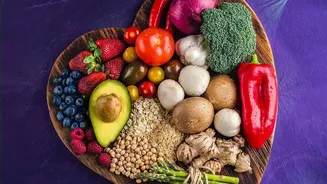
in water to form a gel-like substance, which can help lower cholesterol and stabilise blood sugar. Insoluble fibre adds bulk to stool, helping it pass more easily and preventing constipation. Experts recommend that adults consume between 25 to 38 grams of fibre daily, though most people get only about half that amount. A high-fibre diet is crucial for maintaining a healthy gut microbiome—the community of good bacteria in your intestines—which is linked to everything from digestion to immunity.
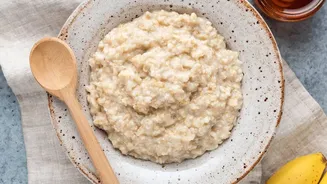
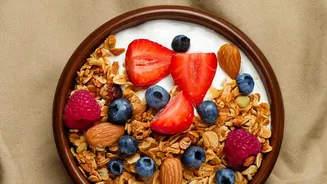
1. The Classic Oatmeal and Berry Bowl
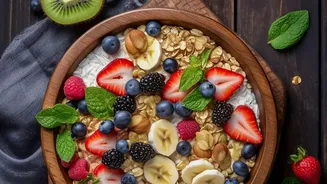
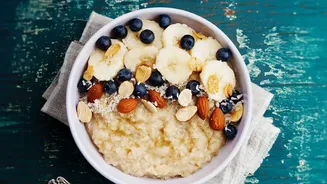
It’s a classic for a reason. Oats are a powerhouse of both soluble and insoluble fibre, particularly a type of soluble fibre called beta-glucan. This fibre is celebrated for its ability to lower cholesterol, improve blood sugar control, and act as a prebiotic, feeding the beneficial bacteria in your gut. To prepare, simply cook rolled or steel-cut oats with water or milk. Top your bowl with a handful of fresh berries for extra fibre and antioxidants, a tablespoon of chia seeds for an omega-3 boost, and a sprinkle of nuts for healthy fats and protein. This combination ensures you stay full and energised all morning.
2. Savoury Vegetable Poha Bowl
For those who prefer a savoury start, a poha (flattened rice) bowl is a fantastic choice. While standard poha is a good base, you can significantly boost its fibre content by loading it with vegetables like peas, carrots, onions, and capsicum. To elevate it further, add a source of plant-based protein and fibre like boiled chickpeas or peanuts. Poha is light on the stomach and easy to digest, and when combined with a variety of vegetables and legumes, it becomes a well-rounded meal that provides sustained energy without feeling heavy. A final squeeze of lime and a garnish of fresh coriander complete this satisfying and fibre-rich Indian breakfast staple.
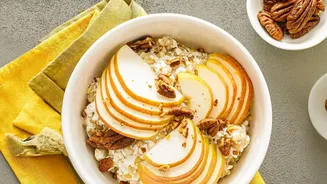
3. Creamy Ragi and Nut Porridge
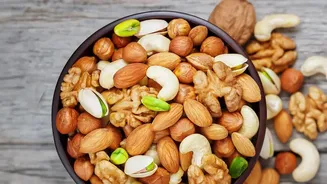
Ragi, or finger millet, is an ancient grain celebrated in India for its robust nutritional profile. It is naturally gluten-free and exceptionally high in dietary fibre and calcium. A warm bowl of ragi porridge is a comforting and deeply nourishing way to begin your day. Its high fibre content aids digestion, promotes feelings of fullness to assist with weight management, and helps regulate bowel movements. To make it, cook ragi flour with water or milk until it forms a smooth, thick porridge. Enhance the flavour and nutrition by stirring in chopped almonds and walnuts for healthy fats and a sprinkle of cinnamon for warmth. You can add a touch of jaggery for natural sweetness.
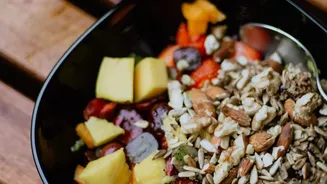
4. Tropical Smoothie Bowl
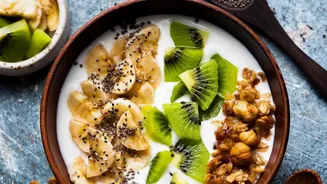
A smoothie bowl is a vibrant and refreshing way to pack in a serious amount of fibre. Blending fruits instead of juicing them ensures you retain all the beneficial fibre. For a tropical twist, blend frozen mango, pineapple, and a banana with a splash of coconut milk until thick and creamy. The fibre from these fruits supports digestive health and adds natural sweetness. Pour the smoothie into a bowl and get creative with high-fibre toppings. Shredded coconut, chia seeds, flax seeds, and a handful of granola or muesli not only add a satisfying crunch but also significantly increase the bowl’s total fibre content, keeping you full and focused.
5. Millet and Yoghurt Bowl
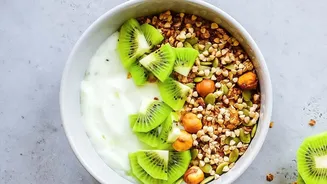
Millets are another group of ancient grains making a comeback for their impressive health benefits. They are rich in protein, B-vitamins, and, importantly, fibre. Cook a small batch of foxtail millet or pearl millet (bajra) and let it cool. In a bowl, layer the cooked millet with thick, creamy yoghurt, which provides probiotics for gut health. Top with pomegranate arils for a burst of antioxidants and fibre, along with pumpkin or sunflower seeds for extra crunch and nutrients. This bowl offers a delightful mix of textures and a balanced profile of carbohydrates, protein, and healthy fats.