



Choosing the Perfect Pot
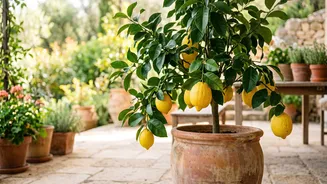
The foundation for a healthy potted lemon tree starts with its container. Size is crucial; a pot that is too large can hold excess water, leading to root problems, while one that is too small restricts growth. For a young plant, a pot around 12-15 inches
deep is a good starting point. As the tree grows, you can gradually move it to larger containers, typically every few years. The material of the pot also matters. Terracotta pots are an excellent choice because they are porous, allowing for better air circulation to the roots. However, they also dry out faster. Plastic pots retain moisture longer, which can be useful in very hot climates but requires more careful watering to avoid waterlogging. Regardless of the material, ensure the pot has multiple, large drainage holes to allow excess water to escape freely.
Why Drainage Is Non-Negotiable
Lemon trees are highly sensitive to waterlogged soil. Their roots need oxygen to survive, and when the soil is constantly saturated, the roots can essentially suffocate, leading to a condition called root rot. This is one of the most common reasons potted lemon trees fail. Excellent drainage is therefore non-negotiable. This starts with a pot that has plenty of holes. It is also wise to elevate the pot slightly using bricks or pot feet, which prevents water from pooling underneath and blocking the drainage holes. The soil itself must also be well-draining. Heavy garden soil is not suitable for containers. Instead, use a quality potting mix designed for citrus or a mix of regular potting soil amended with perlite or coarse sand to improve aeration and drainage.
Mastering the Art of Watering
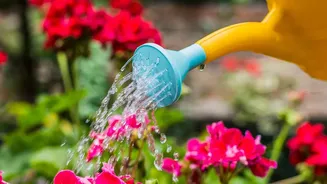
There is no fixed schedule for watering a lemon tree, as its needs change based on the season, pot size, and climate. The best approach is to check the soil moisture. A reliable method is to stick your finger about two inches into the soil. If it feels dry at that depth, it’s time to water. When you do water, do it deeply and slowly, allowing the water to soak the entire root ball until it runs out of the drainage holes. This technique, often called the 'drench method', ensures the roots are thoroughly hydrated. After watering, be sure to discard any excess water that collects in the saucer beneath the pot to prevent the tree from sitting in standing water. In peak summer, especially in hot and windy conditions, you may need to water your potted lemon tree every day or two, while during the cooler monsoon or winter months, once a week may be sufficient.
Signs of Overwatering vs. Underwatering
Both overwatering and underwatering can cause stress to a lemon tree, and surprisingly, the symptoms can look similar, such as yellowing or wilting leaves. However, there are subtle differences. An overwatered tree's leaves may turn yellow but feel soft, and the tips of the stems might turn black. This is a sign of root rot, where the damaged roots can no longer absorb water effectively, causing the plant to wilt despite being in wet soil. Conversely, an underwatered tree's leaves will also turn yellow and droop, but they will feel dry and crispy. The plant may also start to drop leaves to conserve water. The most definitive way to tell the difference is to check the soil. If the soil is soggy days after watering, overwatering is the likely culprit. If it's bone dry, the tree is thirsty.