


Not All Rice Flours Are the Same
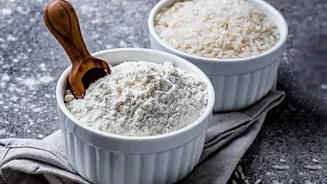
Before you start, it is crucial to understand that 'rice flour' isn't a single ingredient. There are two main players you need to know, and they are not interchangeable. Regular rice flour is made from finely milled long or medium-grain white or brown
rice. It produces a texture that is tender, light, and sometimes crisp, making it a versatile ingredient for batters and coatings. Then there is glutinous rice flour, also known as sweet rice flour or mochiko. Despite the name, 'glutinous' refers to the glue-like, sticky consistency it develops when cooked, not the presence of gluten; all pure rice flour is gluten-free. This variety is milled from sticky rice and is the secret to the chewy, elastic, and bouncy texture found in many beloved Asian desserts. If a recipe calls for a springy, stretchy bite, glutinous rice flour is almost always what you need.
The Unique Magic of Steaming
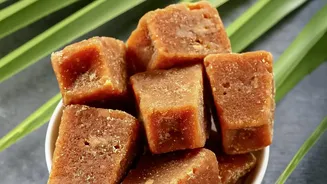
Rice flour is particularly well-suited for steaming, a gentle cooking method that relies on moist heat. Unlike wheat flour, which can become heavy and dense, rice flour creates a uniquely soft, moist, and tender crumb. Its neutral flavour allows other ingredients, like coconut, cardamom, or jaggery, to take centre stage. When steamed, glutinous rice flour undergoes a transformation. The starch molecules swell and form a cohesive, flexible network that results in that signature satisfying chewiness. Regular rice flour, in contrast, will produce a more delicate, cake-like consistency in steamed preparations. This makes the choice of flour essential for achieving the desired outcome, whether it's a soft, spongy cake or a dense, chewy dumpling.
A World of Steamed Delights
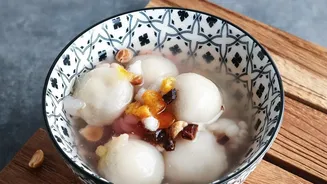
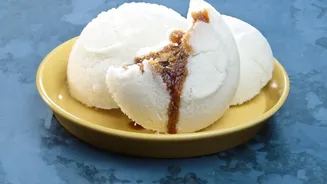
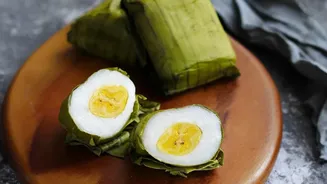
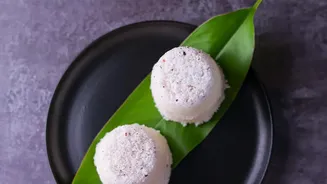
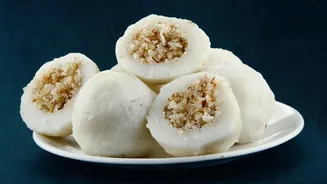
The application of rice flour in steamed desserts is a cornerstone of many culinary traditions, especially across Asia. In India, one of the most cherished examples is the 'modak', a sweet dumpling filled with coconut and jaggery, whose outer casing is made from a pliable rice flour dough. Another popular category is 'pitha', a diverse family of rice cakes from eastern India that can be steamed, fried, or griddled. Steamed versions are often soft, delicate, and filled with sweet or savoury mixtures. Another classic South Indian and Keralite dish is 'Vattayappam', a fluffy, slightly sweet steamed rice cake fermented with yeast and flavoured with coconut and cardamom. Beyond India, you'll find countless variations like the layered Thai dessert 'Khanom Chan' and Chinese 'Tang Yuan', which are soft, chewy glutinous rice balls often served in a sweet soup.
Don't Forget the Griddle
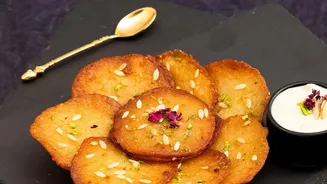
While steaming showcases rice flour's ability to create softness, griddling highlights its talent for creating crispness. When used in a batter for pancakes or crêpes, rice flour can produce an item with wonderfully crisp edges and a soft, tender interior. It tends to absorb less oil than wheat flour, resulting in a lighter, less greasy finish. Many traditional 'pitha' are griddled, offering a delightful textural contrast. The same properties make it a fantastic choice for batters used in frying, creating a thin, shatter-crisp crust that is highly sought after.
Tips for Perfect Rice Flour Sweets
Working with rice flour can be a little different from using wheat flour, but a few tips will ensure success. First, always read the recipe carefully to see if it specifies regular or glutinous rice flour. Sifting the flour before mixing can help prevent lumps and create a smoother final product. Many recipes, especially those for steamed doughs, benefit from a resting period. Letting the batter or dough sit for 20-30 minutes allows the flour to fully hydrate, leading to a better texture. When making dough with glutinous rice flour, it can feel sticky, but kneading it will help it become smoother. If it remains too sticky, a small dusting of extra flour can help.