




The Serving Size Deception
The first number you should check on any package is the serving size. This is a common trap. A small bag of bhujia or a sleeve of biscuits may seem like a single portion, but the label might tell a different story. Manufacturers often define a "serving"
as a much smaller amount than what a person typically consumes in one sitting. For example, a label might list calories and sugar for just two biscuits, while the packet contains sixteen. By law, Indian labels must show nutritional information per 100g and per serving, but the company defines the serving size. Always check how many servings are in the container and multiply the nutritional values accordingly to understand what you're actually eating.
The Sodium Sneak Attack
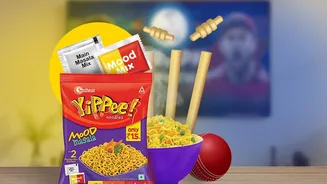
That savoury snack craving can come with a high cost. Packaged and processed foods are the biggest sources of sodium in our diets. While your body needs a small amount of sodium to function, most people consume far more than necessary. The World Health Organization recommends keeping salt intake under 5 grams per day (about 2,000 mg of sodium). However, the average salt intake in India is significantly higher, at around 8 grams per day. A sedentary office lifestyle combined with high sodium intake can increase the risk of high blood pressure, fluid retention, and put a strain on your heart and kidneys over time. Savoury snacks like namkeens, chips, and instant noodles can be very high in sodium; some can have over 600mg per 100g, which is a significant portion of your daily limit in just one snack.
Unmasking Hidden Sugars
Sugar isn't just in sweets. It's often hidden in savoury foods to balance flavour and in products marketed as healthy. Foods labelled "low-fat" often contain extra sugar to improve taste. Even seemingly healthy options like flavoured yogurt, granola bars, packaged fruit juices, and some "diet" snacks can be loaded with added sugar. On ingredient lists, sugar goes by many names, including high-fructose corn syrup, dextrose, maltodextrin, and invert sugar. If any of these appear in the first few ingredients, the product is likely high in sugar. For a healthy diet, free sugars should ideally constitute less than 10% of your total daily calories. Checking the 'Total Sugars' and 'Added Sugar' lines on the label is crucial for managing your intake and avoiding an afternoon sugar crash.
Beyond the Big Three
While sodium, sugar, and serving size are the primary culprits, there are a couple of other things to glance at. Check the ingredients list for "partially hydrogenated oils," which are a source of unhealthy trans fats. Also, look at the type of carbohydrates. Ingredients like whole grains (whole wheat flour, oats, millets) are always a better choice than refined flour (maida), which offers little nutritional value. The order of ingredients matters; they are listed by weight, so whatever appears first is what the product contains the most of. If sugar or maida is in the top three, it's a good sign to put the snack back on the shelf.